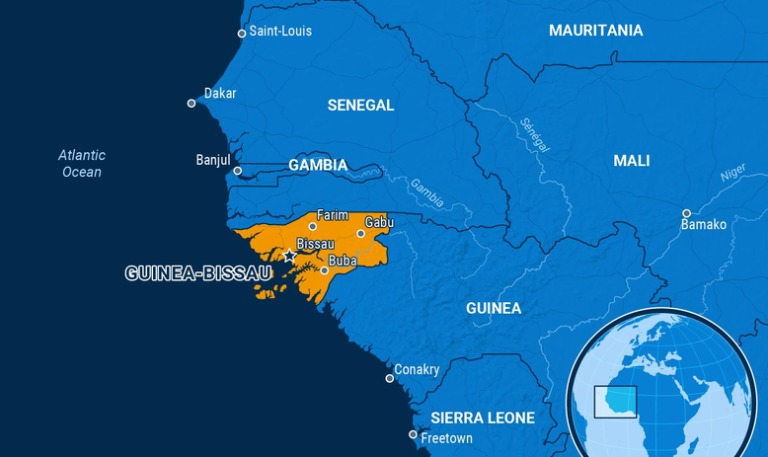
In the heart of West Africa, where the tides of the Atlantic Ocean meet the winding estuaries of Guinea-Bissau, water is far more than a simple chemical compound. It is the invisible thread weaving together daily survival, spiritual devotion, economic vitality, and communal health.
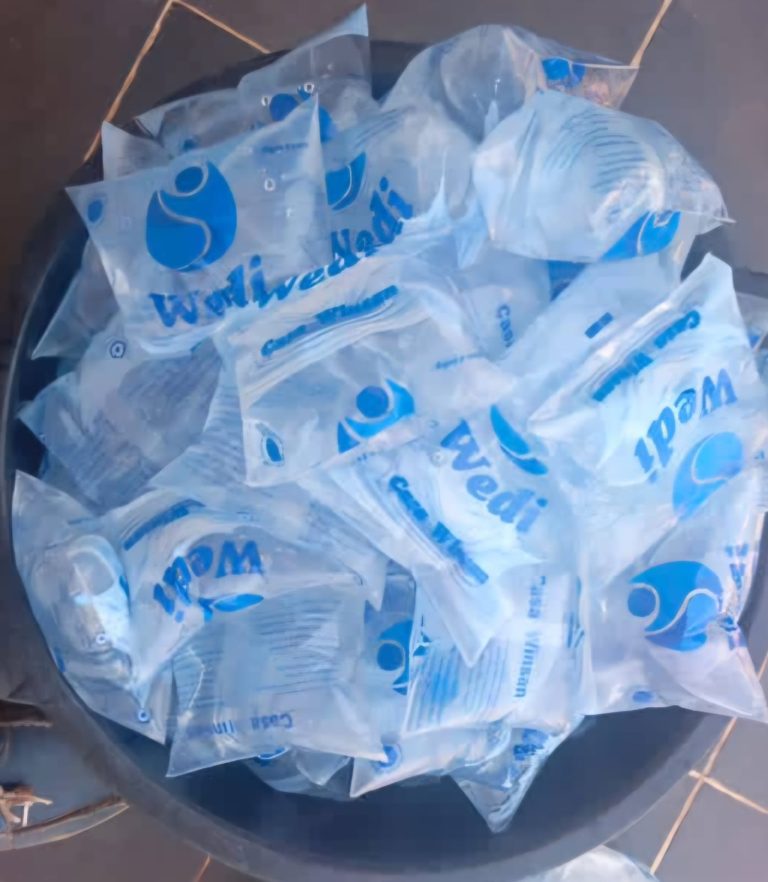
In the Balanta language, spoken by one of the nation’s foundational ethnic groups, water is known as Wedi. To speak the word Wedi is to invoke a sacred element, a resource that no living being can exist without, and a gift that belongs inherently to all people regardless of status or background.
Across generations, local communities have understood that water is the primary pillar of wellness. Long before modern medicine mapped the pathways of human physiology, ancestral traditions recognized that clean water nourishes the spirit, cools the body, and cleanses the land.
Today, bridging this timeless generational wisdom with modern public health standards is not merely an ambitious ideal—it is a vital necessity for the health and development of Guinea-Bissau.
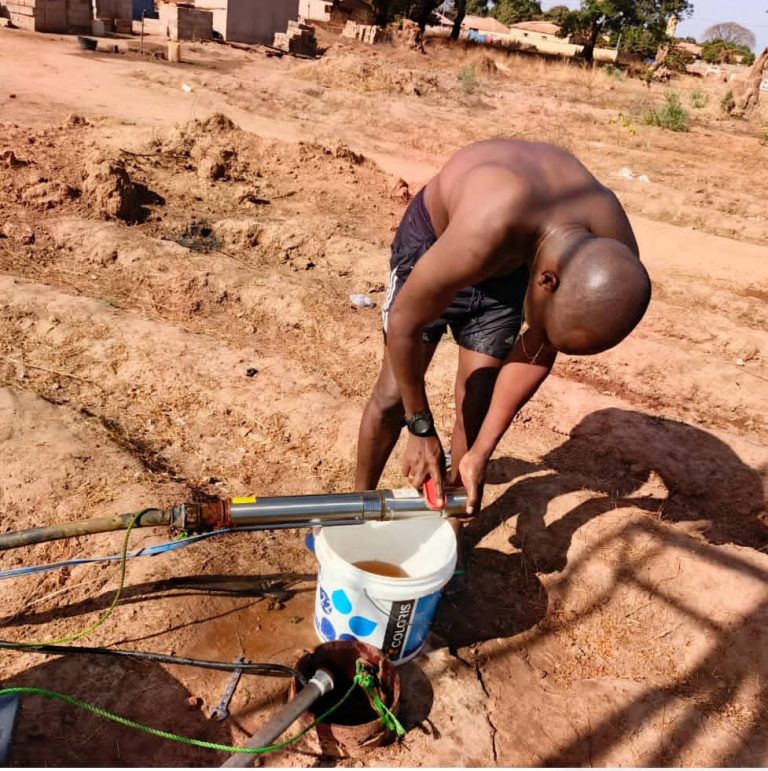
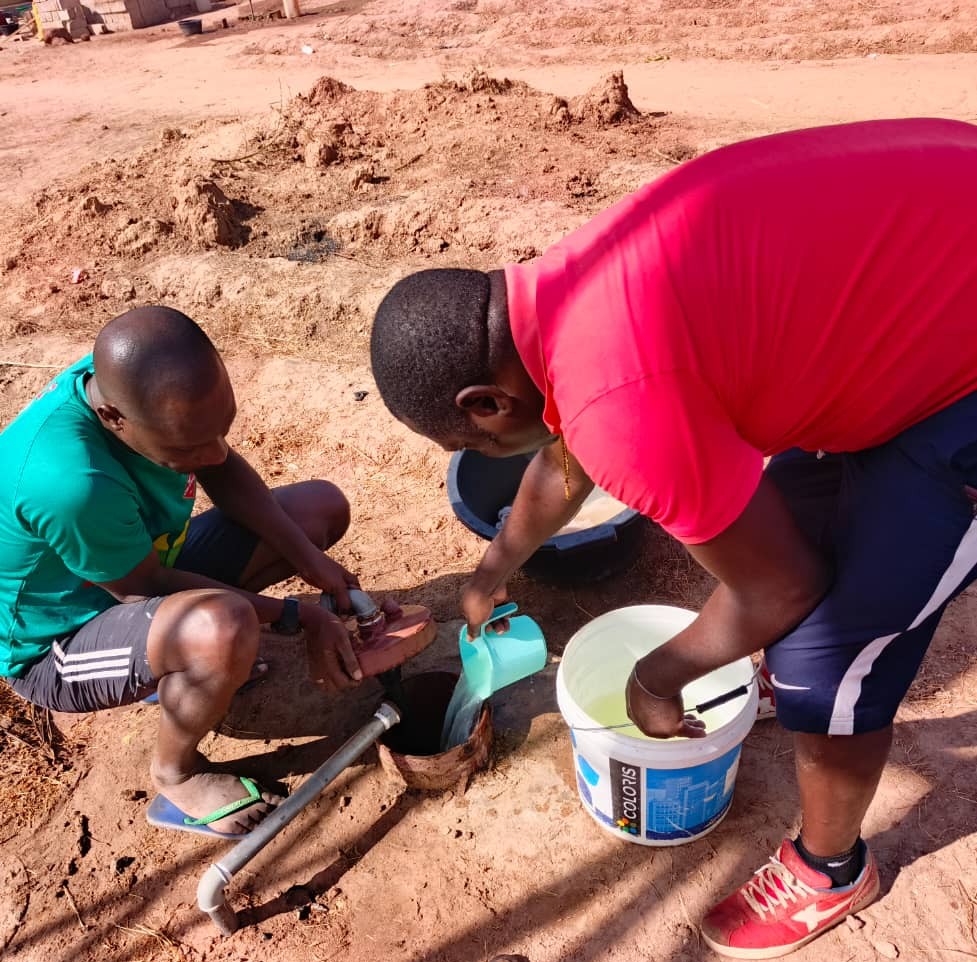
Through Casa Winsan, an initiative born under the banner of Guimeds, this bridge is actively being built. Guided by the vision of Alfredo Sambù, a practicing pharmacist based in Vicenza, Italy, who carries his native roots from the village of Bambaia in his heart, Casa Winsan honors the profound role water plays in local lives while establishing WHO-standard purification systems directly within rural communities.
Water as Wedi: The Spiritual and Cultural Anchor of the Tabanka
To understand the role of water in local Guinean life, one must look beyond the tap or the bottle and step into the Tabanka—the traditional village community. Here, water carries deep cultural, spiritual, and social weight.
Historically, water sources such as streams, shallow wells, and natural springs served as the focal point of social cohesion. Gathering at the water source at dawn was a daily ritual where news was shared, communal decisions were discussed, and young people learned the oral histories of their elders.
Water was, and remains, a sacred medium used in traditional ceremonies to bless guests, honor ancestors, and mark life transitions from birth to elderhood.
When water becomes scarce or contaminated, it touches every single thread of this social fabric.
The physical burden of fetching water historically fell upon women and young girls, requiring them to walk miles under the midday sun to carry heavy vessels from distant, unprotected pools. This daily trek consumed precious hours that could otherwise be spent in education, local trade, or personal rest.
Recognizing water as Wedi means honoring it as an essential human right that must be protected, purified, and made accessible directly within the community. By establishing local water points, the heavy physical burden is lifted, dignity is restored, and the water source once again becomes a place of health rather than hardship.
From the Soil to the Table: Water, Agriculture, and Local Sovereignty
In the agrarian landscapes of the Cacheu Region, water and soil exist in a perpetual, intimate dialogue. Agriculture is the economic heartbeat of rural Guinea-Bissau, providing food for families and income for local markets. Yet, without reliable and clean water, agricultural potential remains severely restricted.
Casa Winsan’s commitment to community wellness goes beyond providing drinking water; it seeks to revive local agricultural ecosystems. Clean water is the lifeblood of organic farming, enabling smallholder farmers to cultivate nutritious crops without relying on synthetic chemicals or contaminated irrigation sources.
When local farmers are empowered with sustainable irrigation methods, training, and organic resources, the entire community experiences a shift toward food sovereignty. Rich, locally grown produce replaces costly imported goods, keeping money within the local economy and ensuring that children grow up with diets rich in natural vitamins and minerals. Water, in this context, becomes the foundation of nourishment and financial independence.
Aligning Ancestral Value with World Health Organization Science
While traditional wisdom provides the cultural framework for respecting water, modern science provides the tools to ensure its safety. The World Health Organization (WHO) defines safe drinking water as water that is completely free from pathogenic microorganisms, toxic chemicals, heavy metals, and radiological hazards.
In many rural areas across West Africa, water sources may appear clear to the naked eye while harboring microscopic parasites, bacteria, or excess minerals that cause chronic gastrointestinal illness, stunted growth in children, and long-term health decline. True wellness requires absolute purity.
At Casa Winsan, modern pharmaceutical precision meets cultural reverence. As a pharmacist, founder Alfredo Sambù applies rigorous standards to ensure that every drop of Wedi meets or exceeds WHO drinking water quality guidelines.
This scientific approach involves:
- Microbiological Filtration: Removing harmful bacteria, viruses, and protozoa that cause waterborne diseases.
- Chemical Balancing: Ensuring the water is free from industrial pollutants, nitrates, and heavy metals while retaining beneficial natural minerals.
- Continuous Quality Monitoring: Conducting routine testing to guarantee safety from the source to the final consumer.
By bringing this level of scientific purification directly to Bigene in the Cacheu Region, Casa Winsan ensures that rural populations receive the exact same high standard of safe, pure water as any major metropolitan center in the world.
Why Local Infrastructure Matters: The Strategic Choice of Bigene
A common challenge with international development projects in Africa has been the centralized focus on capital cities. Major initiatives often build headquarters in capitals like Bissau, leaving rural and regional areas underfunded and reliant on long supply chains.
Casa Winsan deliberately broke this pattern by establishing its production headquarters and business center in Bigene, located in the northern region of Guinea-Bissau. This decision reflects three core principles:
- Direct Quality of Life Improvement: The northern region historically faced severe water crises. Placing production directly in Bigene drastically reduces water scarcity and ensures a stable supply for regional towns and villages.
- Economic Empowerment and Trade: Bigene’s geographic proximity to the border with Senegal makes it a vibrant node for regional commerce. Local processing creates direct employment for youth, logistics drivers, and administrative personnel, keeping economic value within the region.
- Honoring Origins and Cultural Roots: For Alfredo Sambù, placing the initiative in Bigene is an act of deep personal gratitude to his birthplace, the village of Bambaia. It proves that world-class infrastructure can flourish in rural African communities, inspiring pride and self-reliance among local residents.
Water as the Foundation for Holistic Health and Abundance
In both modern pharmacy and ancient African medicine, true health is recognized as a holistic state of balance. One cannot achieve vitality if the body is constantly fighting off waterborne pathogens, nor can traditional herbal remedies perform effectively if taken with contaminated water.
Safe water acts as the ultimate catalyst for community health:
- Preventive Healthcare: Clean water prevents illness before it starts, reducing the pressure on local clinics and allowing families to spend less on medicine and more on education and nutrition.
- Empowerment of Women and Girls: With safe water readily available in the community, women gain back hours every day, enabling them to launch small enterprises, participate in local governance, and pursue personal development.
- Educational Continuity: Children who drink pure water suffer far fewer sick days, allowing them to remain in school and build brighter futures for their communities.
When water is treated with the reverence of Wedi and managed with the precision of modern science, it unlocks an abundance of wellness that elevates the entire population.
Building the Bridge Together
The story of Casa Winsan and the sacred role of water in Guinea-Bissau is an ongoing journey—one that demonstrates how ancient wisdom and contemporary science can unite to solve pressing human challenges.
By honoring local culture, investing in rural infrastructure, empowering local farmers, and adhering strictly to WHO health standards, we can create sustainable ecosystems where communities thrive on their own terms.
True progress is not about bringing external solutions to passive recipients; it is about working hand-in-hand with local people, cultivating local talent, and honoring the deep wisdom embedded in the soil and water of the land. https://guimeds.com/work-with-us