Walk through the sunlit mornings of West Africa, and you will witness an awakening full of grace, purpose, and community. From bustling market stalls to coastal pathways, life moves with a steady rhythm anchored in age-old traditions of hospitality and mutual care.
In the Balanta language of Guinea-Bissau, water is known as Wedi. It is a word spoken with reverence, acknowledging the singular resource that animates the soil, nurtures the crops, and preserves the vital balance of every living soul. Our ancestors understood that to mistreat water is to invite illness into the home, and to protect it is to secure the life of generations yet unborn.
In our contemporary world, this timeless duty to protect life and land has collided with an overwhelming global challenge: plastic pollution.
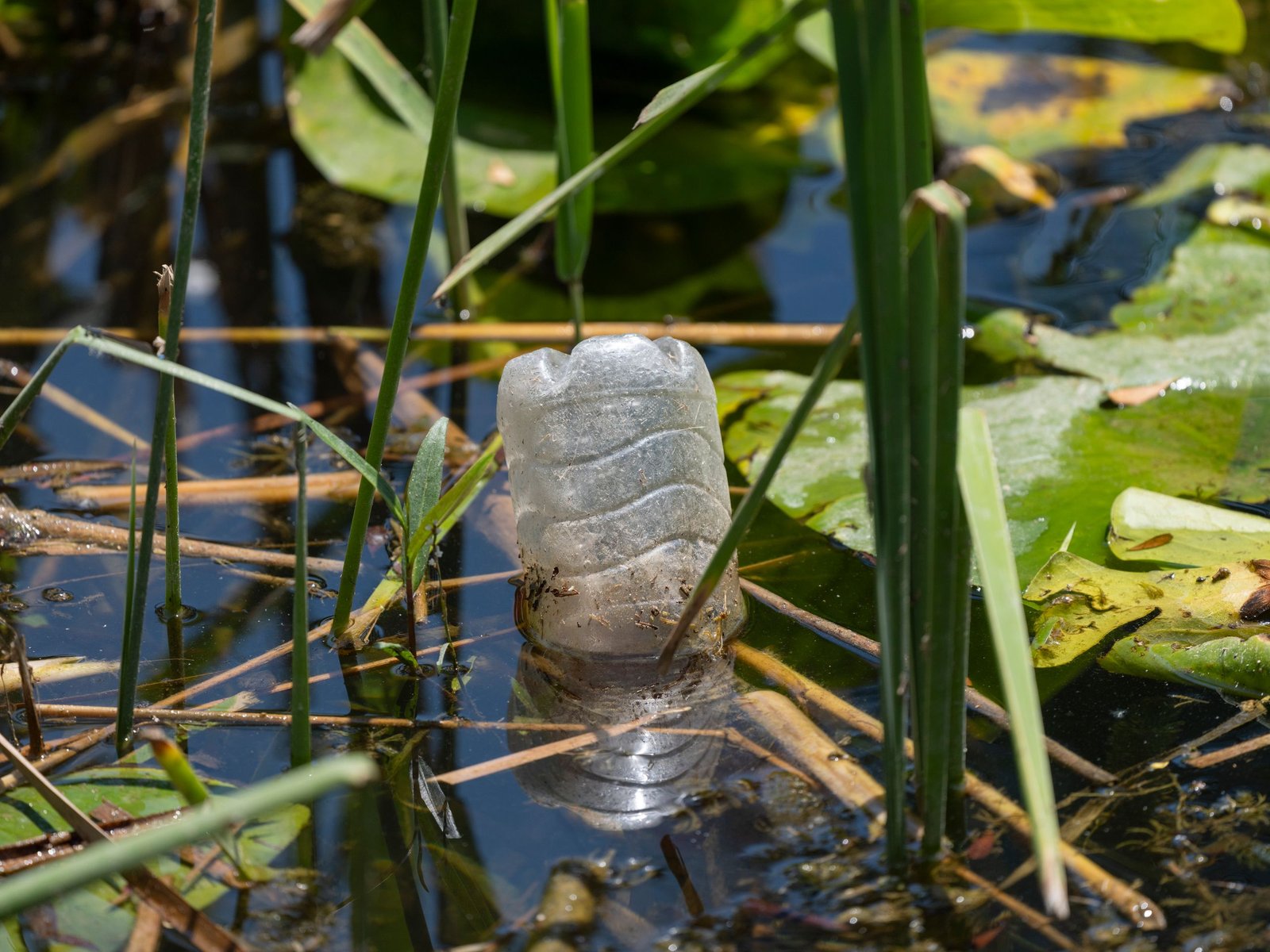
In towns and rural centers across the developing world, the ubiquitous water sachet, a small, heat-sealed polyethylene pouch containing drinking water has become the visible face of environmental degradation. Discarded sachets flutter across roadsides, clog open drainage ditches, and drift downstream toward fragile coastal estuaries.
Faced with mounting piles of plastic debris, the popular modern response has been immediate and instinctive: ban the material, eliminate the sachet, or swap conventional plastics for plant-derived alternatives. It is a compelling narrative, promising that if we simply change what our containers are made of, our landscapes will heal.
Yet, true wisdom asks us to look past surface symptoms and examine the root causes of our challenges. A sachet resting in a drainage ditch is not an indictment of water preservation; it is a clear reflection of a broken system of collection, sorting, and recovery. Simply swapping one material for another without an organized, functional municipal infrastructure will not cleanse our environments.
To safeguard both human health and ecological harmony, we must direct our resources toward the real core of the crisis: creating comprehensive waste management systems that honor the full lifecycle of everything we introduce to the earth.
The Illusion of the Material Swap
In boardrooms and legislative chambers around the world, the call for bio-materials and compostable packaging is presented as the ultimate green solution. Replace petroleum-based polyethylene with polylactic acid or starch-based polymers, the argument suggests, and packaging will harmlessly return to the earth on its own.
Modern environmental chemistry reveals a far more sobering reality.
Most advanced biopolymers are not designed to dissolve simply because they touch garden soil or river water. They require industrial composting conditions: sustained temperatures above fifty-eight degrees Celsius, high relative humidity, and carefully regulated bacterial environments maintained over several weeks.
When a biodegradable package is discarded onto an open road or into an unmanaged dump site, it does not magically vanish. Deprived of specialized industrial conditions, it behaves much like conventional synthetic waste.
It remains intact for months or years, blocking waterways, trapping urban debris, and breaking down into microscopic fragments that find their way into agricultural soil.
Furthermore, introducing novel biopolymers into a region lacking waste sorting systems creates compounding complications. If bioplastics enter informal recycling streams alongside standard polyethylene, they contaminate the plastic batch, lowering the melting point and degrading the quality of the recycled pellets.
Far from solving the crisis, an unmanaged material swap can disrupt existing grassroots recycling markets and create fresh ecological burdens under a green label. The fundamental issue has never been the molecule alone; it is the absence of an organized journey from production back to regeneration.
The Public Health Imperative: Safe Water as a Human Right
Before we critique the packaging of water, we must remember why that packaging exists. According to the World Health Organization, access to safe drinking water is a fundamental human right, essential to the preservation of life and human dignity.
The WHO defines safe drinking water as water that is completely free from pathogenic microorganisms—including bacteria, viruses, and parasites—as well as toxic chemical substances and radiological hazards.
It must be provided in adequate quantities and delivered through standardized, hygienic treatments that ensure it poses zero risk to public health throughout its entire distribution.
In regions where centralized piped municipal water is inconsistent, absent, or vulnerable to seasonal flooding, packaged water serves as a vital frontline barrier against devastating waterborne illnesses.
The humble sachet and the sealed bottle provide vulnerable communities with affordable, biologically safe drinking water. When surface runoffs during the rainy season contaminate village shallow wells with pathogens that bring cholera, dysentery, and typhoid, verified packaged water is quite literally the difference between life and death.
To demonize protective packaging without offering an equally robust, accessible municipal alternative is to place environmental policy at war with human survival. Real progress cannot demand that mothers choose between an unpolluted street and a sick child. The preservation of the earth and the preservation of human life must exist in complete harmony.
The Missing Foundation: Municipal Collection and Resource Recovery
If changing materials cannot solve the crisis, what will? The answer lies in the unglamorous, indispensable work of municipal infrastructure. True sustainability is achieved when a society builds the institutional muscle to collect, sort, process, and recover materials before they escape into the open environment.
A functional waste management framework rests on four essential pillars:
First is Universal Primary Collection. The journey toward a clean environment begins at the doorstep. Municipal authorities and local administrations must establish dependable, routine collection services that reach every neighborhood and rural settlement. When households have no predictable way to dispose of waste, dumping in open fields or burning in backyard pits becomes an act of pure necessity rather than negligence.
Second is Dedicated Source Separation. Waste is not inherently useless; it becomes useless only when clean, recyclable materials are mixed with organic and hazardous refuse. Communities must be equipped with simple, standardized dual-stream systems that separate dry recyclables from wet organic matter at the point of generation.
Third is Decentralized Recovery Hubs. Instead of hauling mixed refuse to massive, overflowing peripheral landfills, regional districts require intermediate sorting facilities.
Here, collected materials are weighed, sorted into specific plastic streams, washed, and compacted for secondary industrial use. This transforms waste from a municipal burden into a valuable industrial feedstock.
Fourth is Market-Driven Circular Integration. Plastic recovery is sustainable only when local manufacturing creates continuous demand for recycled material.
By supporting local re-processors who convert collected plastics into durable goods—such as construction blocks, drainage pipes, and agricultural pavers—communities build resilient local economies that turn environmental cleanup into sustainable livelihoods.
The Casa Winsan Approach: A Living Model in Bigene
Demonstrating that modern engineering, public health, and ancestral respect for nature can work as one is the founding vision of Casa Winsan. Established under the Guimeds initiative by Alfredo Sambù, a practicing pharmacist in Vicenza, Italy, who originates from Guinea-Bissau, Casa Winsan brings deep pharmaceutical rigor together with an authentic love for African wellness traditions.
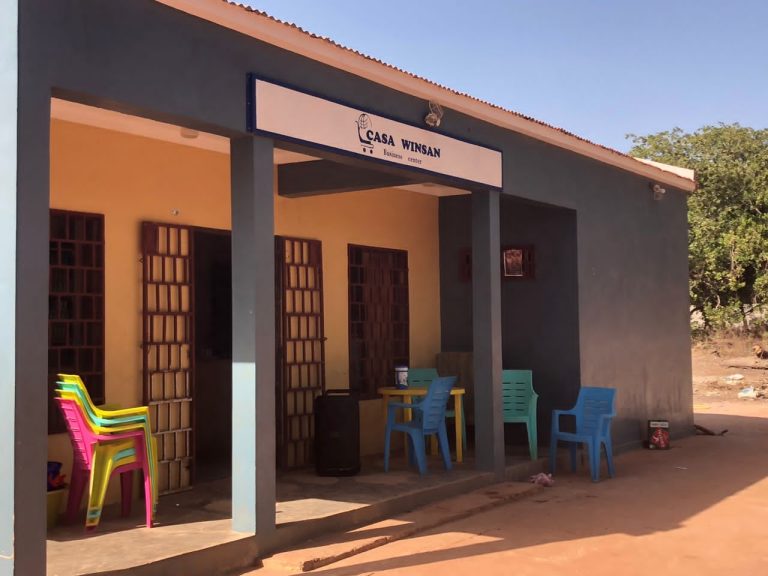
Located in Bigene within the Cacheu Region of northern Guinea-Bissau, the Casa Winsan Business Center serves as a vital regional enterprise. Bigene was chosen with profound intention: as a strategic trade crossroads near the border with Senegal, as a direct solution to severe seasonal water shortages that historically afflicted the northern population, and as a heartfelt act of gratitude to the people of Bambaia, the village where Alfredo Sambù was born.
At Casa Winsan, clean drinking water is honored through the name Wedi. Purified strictly according to World Health Organization standards, Wedi delivers water free of microbial pathogens and chemical impurities to every household, ensuring health protection is accessible to all, regardless of social standing.
Yet Casa Winsan understands that holistic wellness extends beyond the water container. To prevent waste from accumulating in the landscape, the enterprise promotes responsible distribution, encouraging reusable bulk formats and collaborating with regional partners to reclaim materials.
Simultaneously, Casa Winsan actively champions local agricultural independence. By providing training, organic inputs, and technical resources to regional farmers, the initiative empowers communities to cultivate nutritious, pesticide-free produce.
This reduces reliance on heavily packaged imported foods, preserves the local soil microbiome, and prevents agricultural chemical runoff from compromising the natural groundwater aquifers.
What to join us, support us or work with us? Fill out this form and we will get back to you: https://guimeds.com/work-with-us