In the gentle cadence of the Balanta language, spoken across the fertile lands of Guinea-Bissau, water is known as Wedi. It is an ancient word that carries more than a mere physical description of moisture; it signifies the irreplaceable current of life, vitality, and natural harmony.
For generations, ancestral wisdom taught our elders that whenever you touch the water, you touch the life of the entire community. In our traditional societies, caring for the streams, the rain, and the forest canopy was never viewed as an administrative duty, but as an act of sacred responsibility.
Today, as modern challenges test our ecosystems, nations across the globe are waking up to this timeless truth. In West Africa, Guinea-Bissau has taken decisive legislative and policy steps to protect its pristine coastal estuaries, lush mangroves, and vibrant agricultural landscapes from the scourge of single-use plastic waste and environmental degradation.
Yet, as well-intentioned governments craft bold environmental policies to heal the earth, they face a delicate, profound question: How do we enact rapid environmental transitions without accidentally compromising everyday access to safe, clean drinking water?
This dilemma lies at the very heart of the contemporary Guinea-Bissau experience. When ecological ambition moves ahead of basic infrastructure, communities risk trading one crisis for another.
True sustainable development, grounded in the wisdom of the ages and guided by modern public health science, reminds us that environmental healing and human health must always walk hand in hand.
The Environmental Crisis: The Burden on Fragile Ecosystems
Guinea-Bissau is home to some of the most remarkable ecological treasures on the planet, from the rich cashew orchards of the mainland to the delicate Bijagós Archipelago. However, like many coastal developing nations, it has faced the suffocating tide of non-biodegradable waste.
Lightweight polyethylene bags, single-use plastic cups, and discarded packaging materials often choke waterways, wash into sacred mangrove swamps, and form breeding grounds for urban pests.
In response, national environmental authorities have moved forward with comprehensive initiatives aimed at curbing plastic imports, discouraging single-use synthetic materials, and drafting national action frameworks to preserve the country’s natural heritage.
The ecological rationale is undeniable: plastic pollution smothers soil vitality, poisons marine life, and disrupts the natural balance of land and sea.
Yet policy does not exist inside a laboratory. It touches living, breathing villages, town centers, and bustling marketplaces. In Guinea-Bissau, where central municipal water distribution networks remain fragile or absent in many regions, packaged drinking water, ranging from humble sachet water pouches to larger sealed containers, has served as a vital, life-saving barrier against biological contamination.
When governments impose blanket bans, import curbs, or heavy tariffs on protective packaging without establishing clean tap infrastructure or reliable alternatives first, a hazardous public health vacuum emerges.
The Public Health Reality: The Threat of Waterborne Disease
According to the World Health Organization (WHO), access to safe drinking water is not a luxury or a privilege; it is a fundamental human right essential to life and health. The WHO defines safe drinking water as water that is completely free from pathogenic microorganisms, such as virulent bacteria, enteric viruses, and parasites, as well as toxic chemicals and radionuclides.
Furthermore, safe water must be available in adequate quantities and delivered through standardized, hygienic treatments that ensure it poses zero risk to public health throughout its entire journey to the consumer.
When plastic sachets and sealed water containers are restricted or made prohibitively expensive without a parallel leap in municipal piping, families are forced back to vulnerable water points. Shallow wells, open rivers, and unprotected village boreholes are quickly exposed to surface runoffs during the intense monsoon rains.
The consequences of consuming microbially contaminated water are immediate, devastating, and well-documented across regional medical history:
Cholera outbreaks can sweep through dense settlements in a matter of days, stripping the body of vital fluids and endangering infants, mothers, and the elderly. Bacterial dysentery and salmonella infections bring severe dehydration, chronic fatigue, and fever, undermining children’s cognitive development and physical growth. Parasitic infestations weaken the natural immune system, leaving individuals susceptible to other endemic illnesses such as malaria.
The paradox is stark: in the noble effort to eliminate non-biodegradable waste from our soils, an abrupt disruption in packaged water supply can trigger an immediate surge in waterborne epidemics. Public health and environmental preservation cannot be treated as competing adversaries. Protecting nature by compromising human survival violates the core ethic of holistic wellness.
Bridging the Divide: The Vision of Casa Winsan in Bigene
Resolving this tension requires pioneering models that understand local reality, honor traditional roots, and implement rigorous modern standards. This is the guiding philosophy of Casa Winsan, a transformative initiative born under the banner of Guimeds and founded by Alfredo Sambù, a practicing pharmacist in Vicenza, Italy, originally from Guinea-Bissau.
Alfredo Sambù’s journey embodies the harmonious bridge between ancient heritage and contemporary science. Deeply passionate about African natural and traditional medicine, yet daily immersed in pharmaceutical precision, he understood that authentic wellness must begin at the root: access to pure water and wholesome, locally grown food.
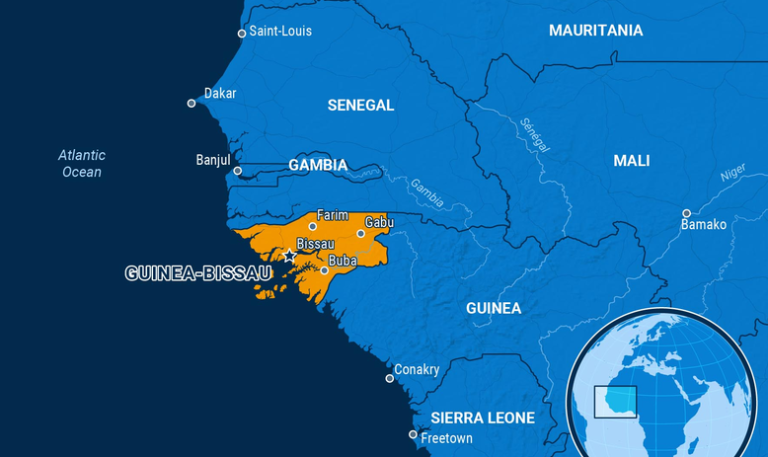
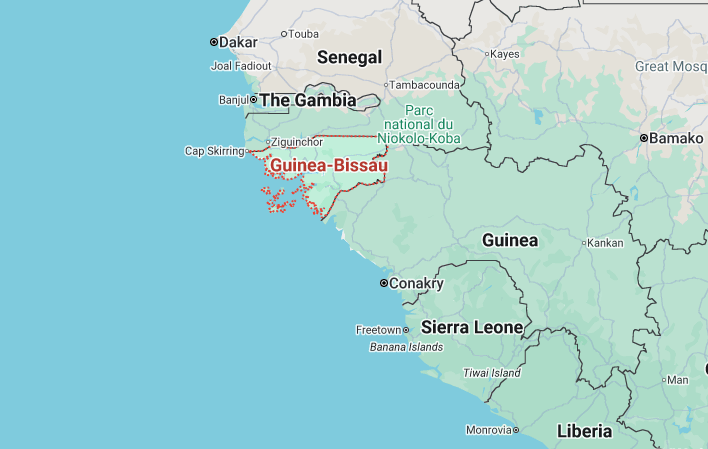
Rather than establishing this initiative in the capital city of Bissau, the Casa Winsan Business Center was intentionally founded in Bigene, situated in the historic Cacheu Region in northern Guinea-Bissau. This choice was deeply strategic and heartfelt:
A Return to Origins and Personal Gratitude: Bigene represents a profound commitment to local communities, serving as an expression of heartfelt thanks to the people of Bambaia, the village where Alfredo Sambù was born.
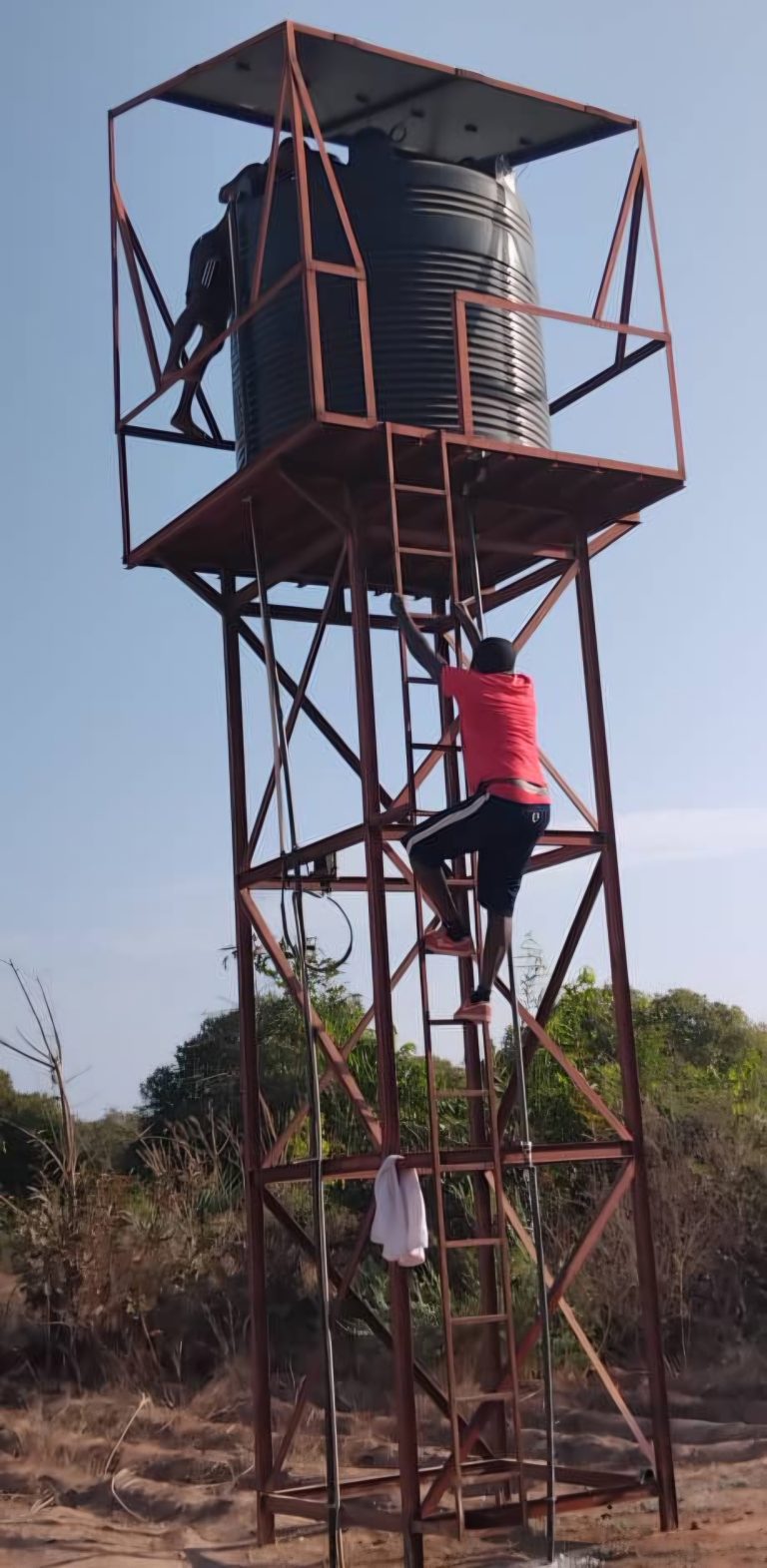
Transforming Local Quality of Life: Northern Guinea-Bissau has long experienced seasonal water shortages and infrastructure deficits. Establishing a centralized, high-standard water enterprise in Bigene directly combats frequent regional water crises, bringing stability and dignity to thousands of households.
A Strategic Cross-Border Hub: Bigene’s geographic proximity to the Senegalese border creates positive commercial trade dynamics, allowing high-quality wellness solutions to circulate efficiently across the wider sub-region.
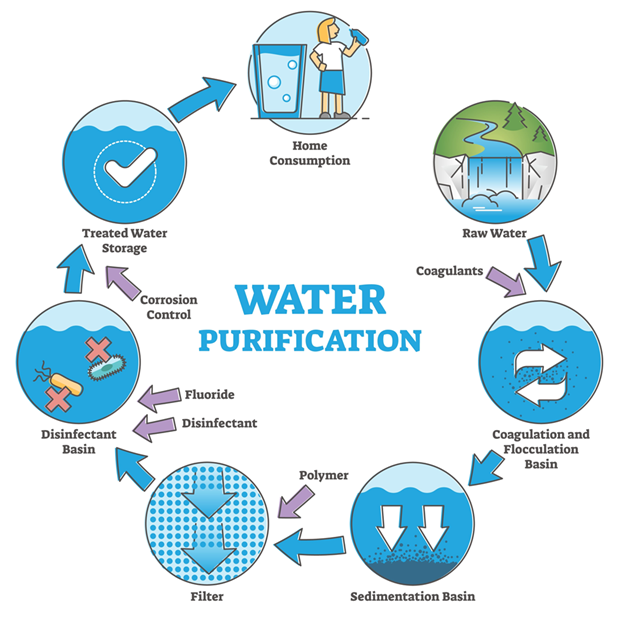
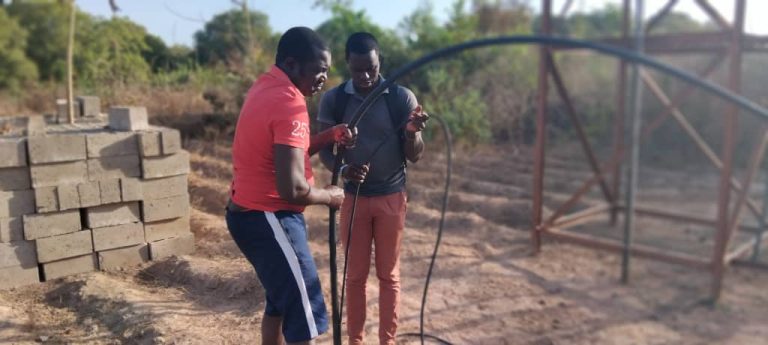
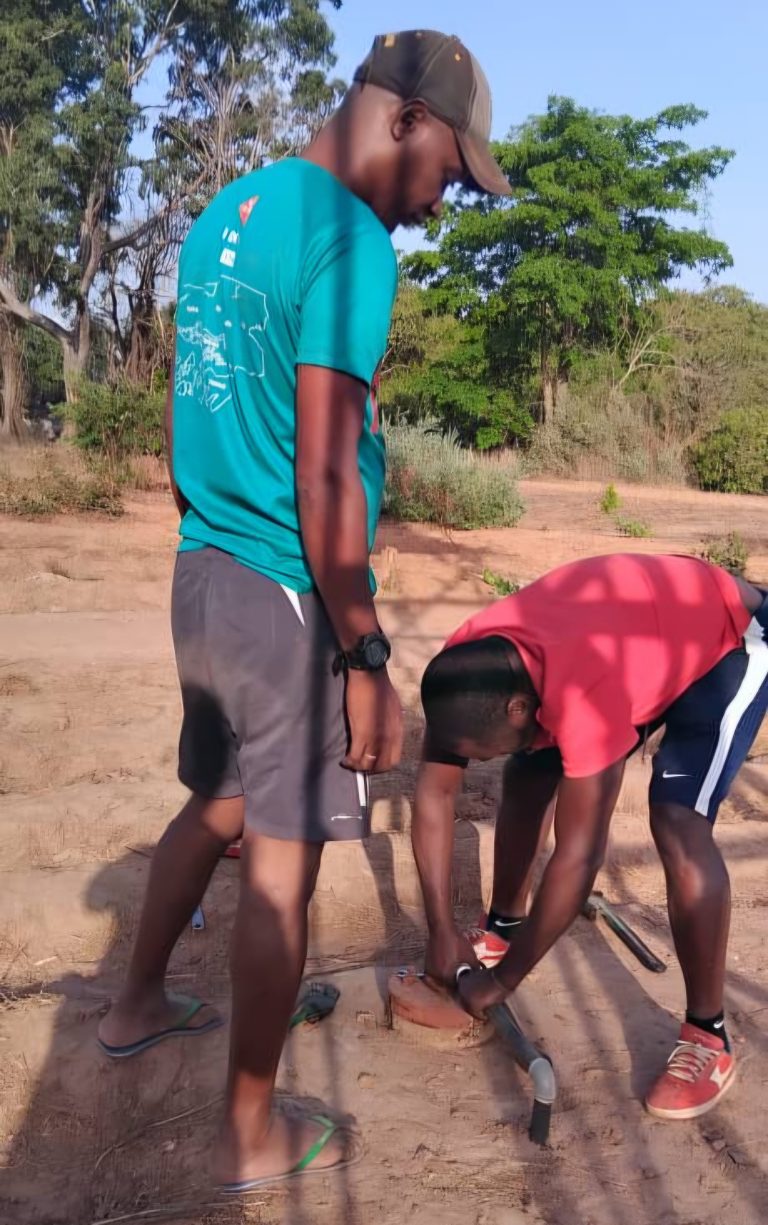
At the center of Casa Winsan is Wedi. By honoring the Balanta name for water, the project recognizes the sacred presence of life-giving resources held within Bigene’s rich soil. Casa Winsan produces and distributes clear, pure water strictly according to the stringent microbiological and chemical parameters established by the World Health Organization.
Through advanced, standardized filtration, rigorous monitoring, and hygienic processing, Wedi offers clean water to every family, regardless of social status, ensuring that health protection is never compromised.
A Holistic Blueprint for Sustainable Development
The Casa Winsan model demonstrates how nations can balance ecological care with uncompromising disease prevention. It is not enough to simply tell communities what they cannot use; we must provide them with safe, accessible, and sustainable systems they can rely upon.
First, Casa Winsan champions safe, standardized local bottling and bulk distribution that drastically minimizes waste while guaranteeing biological safety under strict quality control. By centralizing purification directly at the regional source, it reduces long, carbon-heavy transport chains from distant capitals or international borders.
Second, the initiative recognizes that water and food security are indivisible pillars of wellness. Beyond water purification, Casa Winsan actively supports local agriculture. The project empowers regional farmers with hands-on training and organic resources, helping them cultivate nutrient-dense, pesticide-free produce.
This approach nurtures soil microbiology, protects the underlying water table from harmful agrochemical runoff, and reduces the country’s reliance on expensive, heavily packaged imported foods.
Third, by creating dignified local employment, investing in local human resources, and keeping the economic cycle rooted in Bigene, the project builds local capacity. When communities possess economic stability and scientific tools, they become the most effective guardians of their own natural environment.
Walking Forward in Balance
The lesson of Guinea-Bissau is a universal lesson for our modern world. True progress does not demand a choice between pristine landscapes and human health. Ancient African philosophy has always viewed the human being as an integral part of the natural cosmos, not an external entity at war with it.
When governments shape environmental regulations, policy must be phased, compassionate, and aligned with public health infrastructure. Ecological bans must be accompanied by investments in safe community water distribution systems, support for responsible domestic producers, and empowerment of local initiatives that protect human dignity.
Through Wedi, Casa Winsan shows that when science serves community, when ancient respect for water meets modern healthcare standards, we achieve an abundance of wellness. We protect our soils, we safeguard our waters, and we ensure that every child drinks with safety, health, and joy.
What to join us, support us or work with us? Fill out this form and we will get back to you: https://guimeds.com/work-with-us