The rhythm of life in Guinea-Bissau has always been dictated by the ebb and flow of its waters. From the sacred mangrove forests of the coast to the red-earthed plains of the interior, water, or Wedi, as it is known in the Balanta language, is more than a resource; it is the very soul of our communities. Yet, today, a quiet crisis ripples across our landscape. It is a challenge that affects the health of our children, the productivity of our farmers, and the future of our nation.
As we stand at this crossroads, the mission of Casa Winsan in Bigene is not merely to distribute a product, but to restore a fundamental human right. By blending the profound traditional knowledge of our ancestors with the rigorous safety standards of the modern world, we are charting a path toward a thirst-free Guinea-Bissau.
The Current State: A Landscape of Paradox
Guinea-Bissau is a land blessed with water, yet its people are often thirsty. We are home to the majestic Geba and Corubal rivers and sit atop the vast Senegalo-Mauritanian aquifer, a hidden “national treasure” of groundwater.
However, the gap between the presence of water and the accessibility of safe water is vast.
Recent data from the World Health Organization (WHO) and UNICEF paints a sobering picture. While approximately 75% of our population has access to “improved” water sources, the reality on the ground is more complex.
In many rural areas, nearly 80% of water points are contaminated with faecal coliforms, particularly during the rainy season when runoff carries pollutants into unprotected shallow wells.
In the northern regions, including the Cacheu region where Bigene is located, the challenges are intensified by:
- The Seasonal Struggle: Climate change has stretched our dry season to nearly nine months in some years. As traditional wells dry up, women and girls, the primary providers of water, must walk several kilometers to find remote sources, often sacrificing their education and economic opportunities.
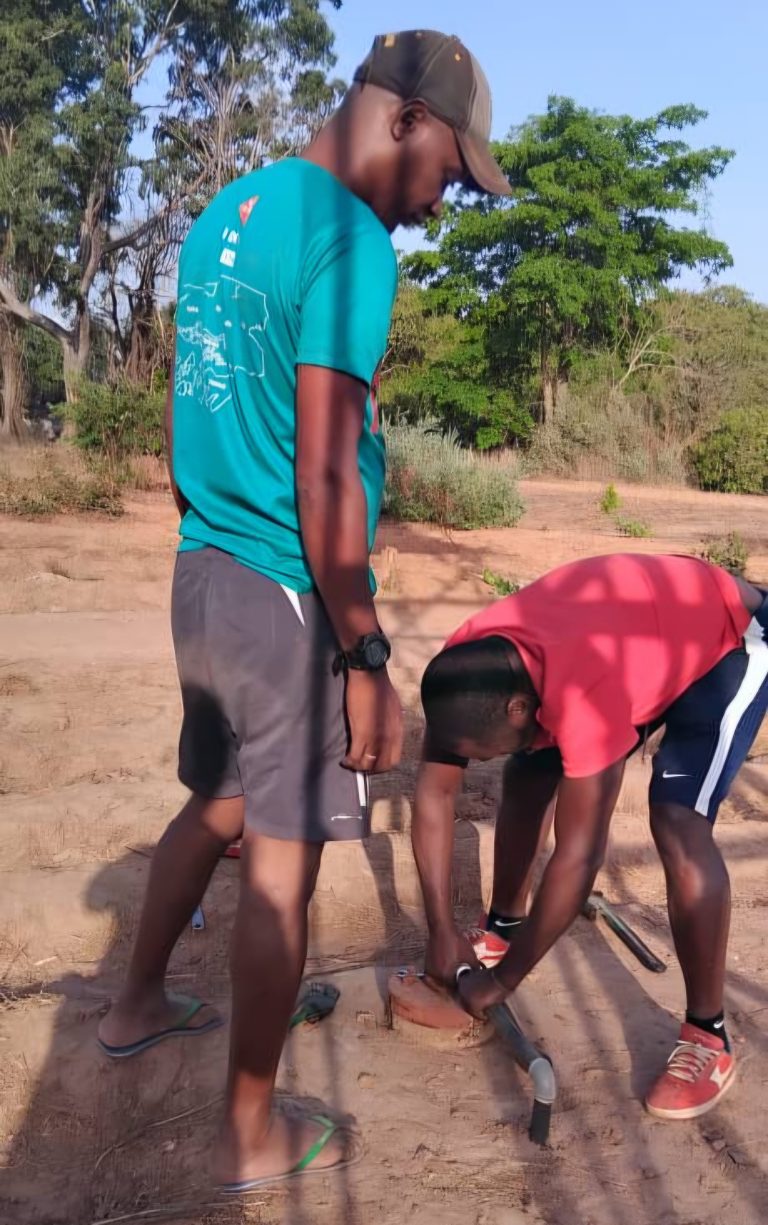
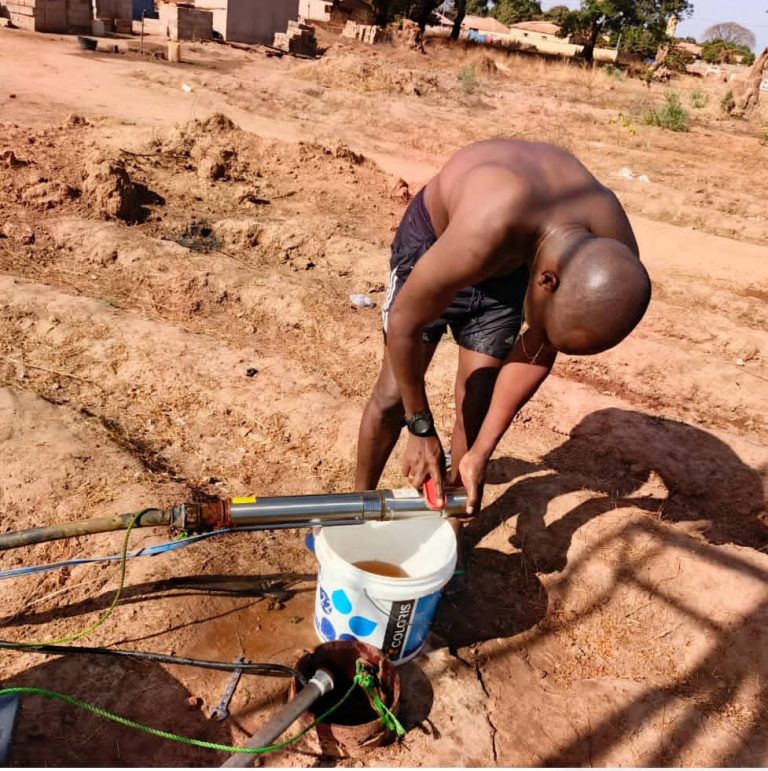
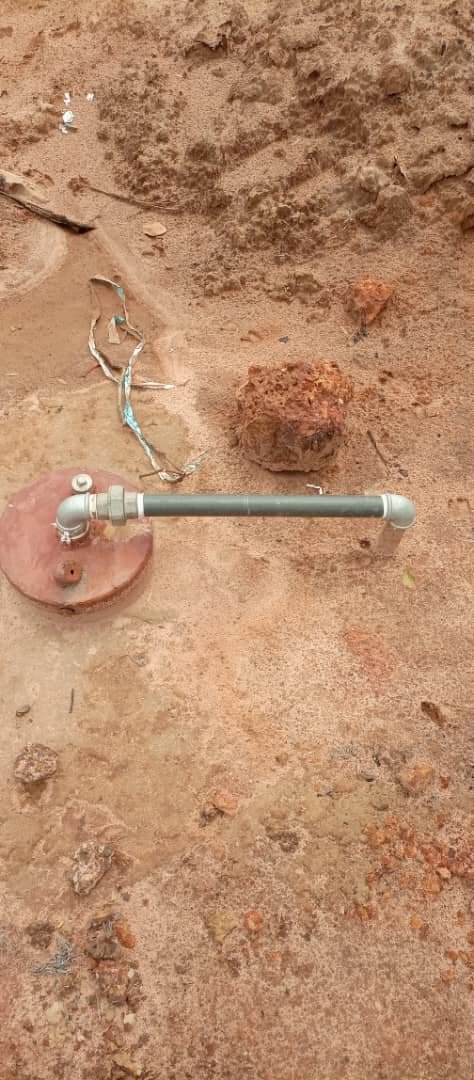
- Infrastructure Gaps: Many hand pumps installed in previous decades have fallen into disrepair due to a lack of local technicians or spare parts.4
- Saline Intrusion: In our coastal lowlands, rising sea levels are pushing saltwater into our freshwater aquifers, turning once-sweet drinking water brackish and unusable.
The Wisdom of the “Balanta Tank”
In the face of these hardships, the resilience of the Guinean spirit remains unbroken. For generations, our communities have looked at the skies for solutions. The Balanta Tank, a traditional rainwater harvesting system, is a testament to this indigenous ingenuity.
Using local clay and artisanal masonry, these tanks capture the bounty of the rainy season, storing thousands of liters of pure rainwater for the lean months. At Casa Winsan, we view these traditional methods not as “primitive,” but as a foundation of sustainable engineering.
They remind us that the solutions to our modern crises often lie in the values of our ancestors: self-reliance, local materials, and a deep respect for the cycles of nature.
Casa Winsan: A Beacon in Bigene
Why did we choose Bigene, a town in the North, rather than the bustling capital of Bissau? The answer lies in the heart of our founder, Alfredo Sambù. Born in the village of Bambaia, Alfredo saw firsthand how water scarcity stifles the potential of a community.
Bigene is strategically located near the border with Senegal, making it a vital hub for trade and development. By establishing the Casa Winsan Business Center here, we are doing more than just purifying water; we are investing in the “human resources” of the North.
Our Three-Pillar Approach to the Crisis:
- WHO-Standard Purification: We do not settle for “clean enough.” Every drop of Wedi we produce follows the strict parameters set by the WHO. This means our water is free from pathogenic microorganisms, heavy metals, and dangerous chemicals. We provide the safety of a laboratory with the heart of a neighbor.
- Sustainable Agriculture: Water and food are inseparable. Casa Winsan empowers local farmers with irrigation resources and training in organic practices. When a farmer has reliable water, they can grow nutritious produce year-round, reducing our country’s reliance on expensive imported goods and strengthening local food security.
- Economic Empowerment: By creating jobs in Bigene and supporting local distribution networks, we ensure that the wealth generated by our natural resources stays within the community. We are building an infrastructure of wellness that belongs to the people.
The Path Forward: A Call for Balance
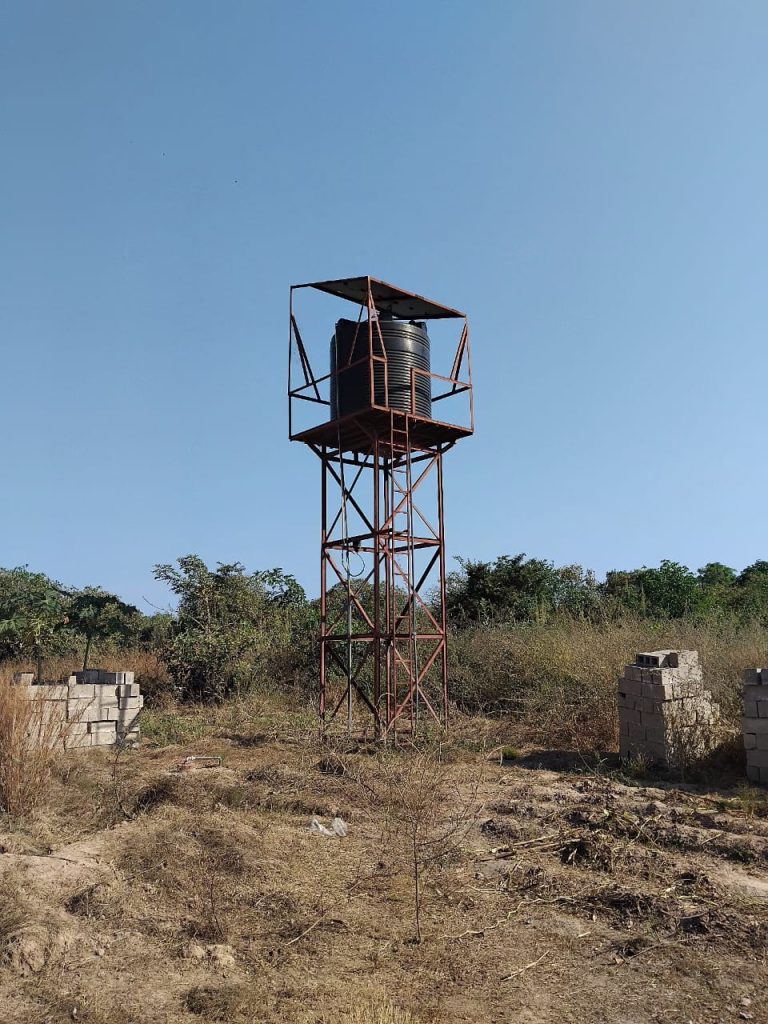
The solution to the water crisis in Guinea-Bissau is not a single technology, but a holistic shift in how we value our resources. It requires us to protect our aquifers from pollution, to embrace solar-powered pumping systems that thrive in our sun-drenched climate, and to treat water management as a communal responsibility.
Safe water is the bedrock of health. It reduces the burden of waterborne diseases like cholera and chronic diarrhea, which remain the third leading cause of death in our country.When a community has safe water, children stay in school, mothers reclaim their time, and the local economy flourishes.
At Casa Winsan, we invite you to be part of this transformation. We are more than a mineral water wholesaler; we are a movement dedicated to the sustainable development of Guinea-Bissau. Together, we can ensure that the “knowledge of ages” is refreshed by the clean, life-giving flow of Wedi.
Join Our Mission
The journey to universal water access is long, but it is one we must walk together. Whether you are a practitioner of traditional wisdom, a modern innovator, or someone who simply believes that no child should go thirsty, there is a place for you in our story.
Want to join us, support us, or work with us? Fill out this form and we will get back to you: https://guimeds.com/work-with-us