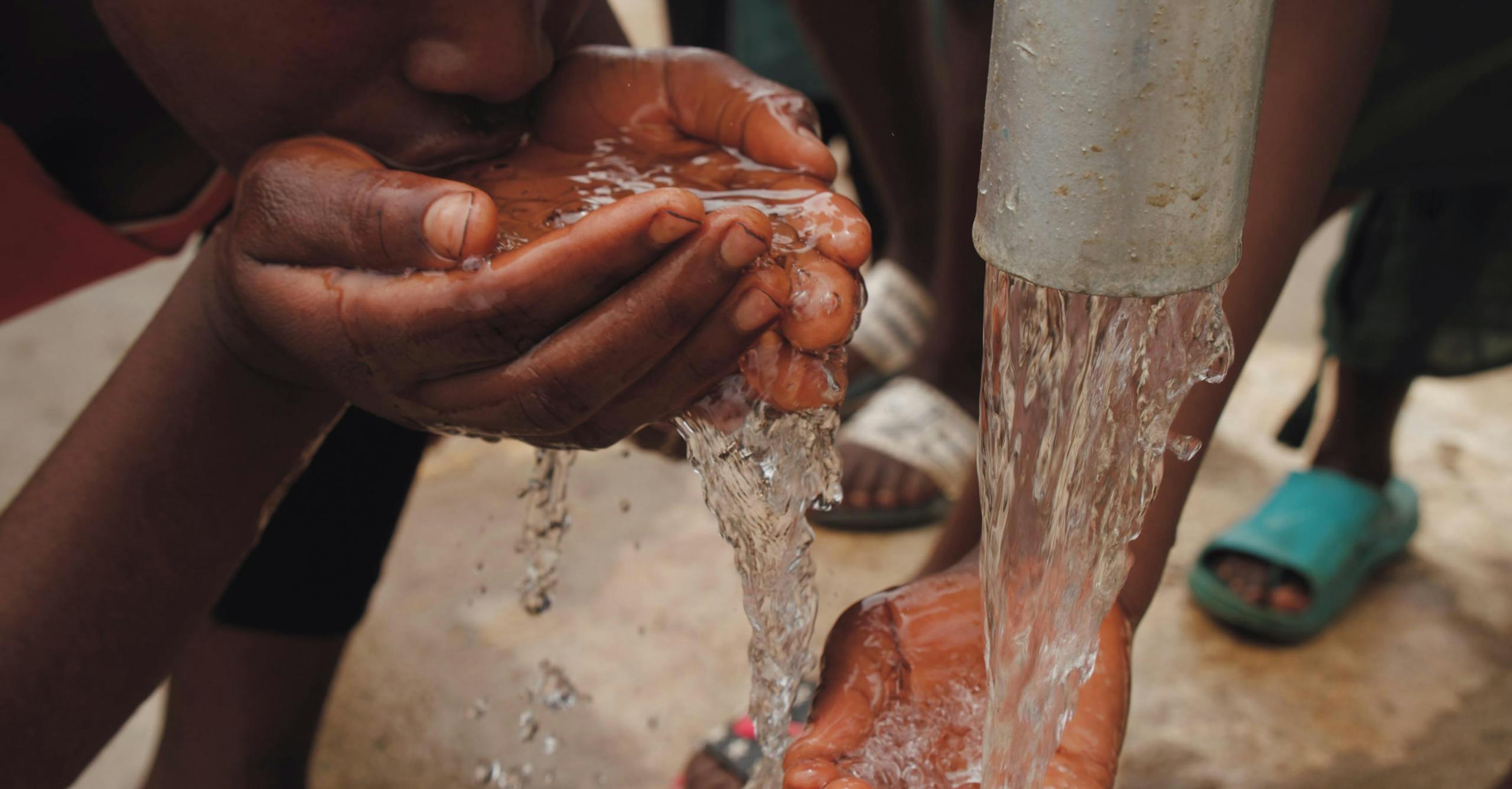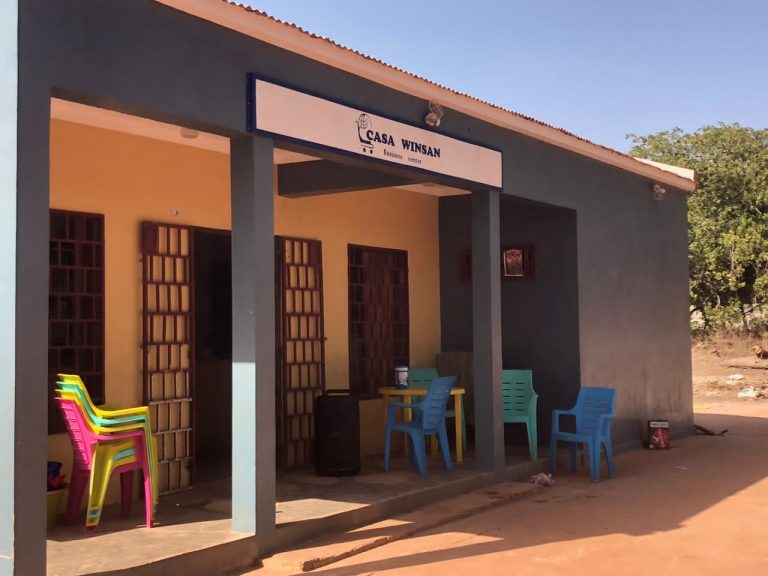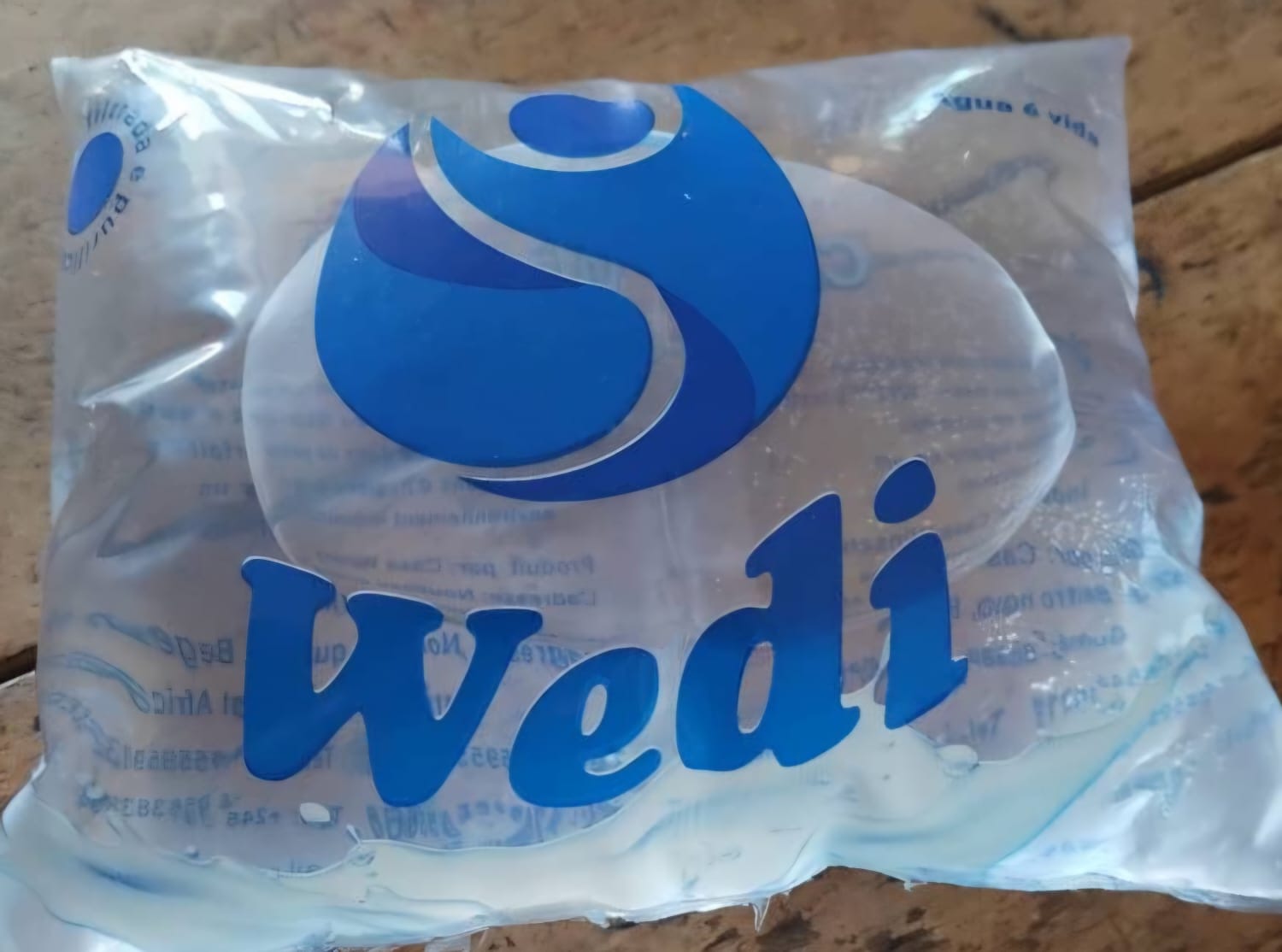
The rhythm of life in Bigene, a vibrant sector nestled within the Cacheu Region of northern Guinea-Bissau, has always been dictated by the presence, or absence, of water. To the Balanta people, one of the primary ethnic groups whose roots run deep into this fertile soil, water is not merely a chemical compound. They call it Wedi. The word carries a heavy, sacred weight. It represents the ultimate thread of survival, an indispensable gift that no living being can do without.
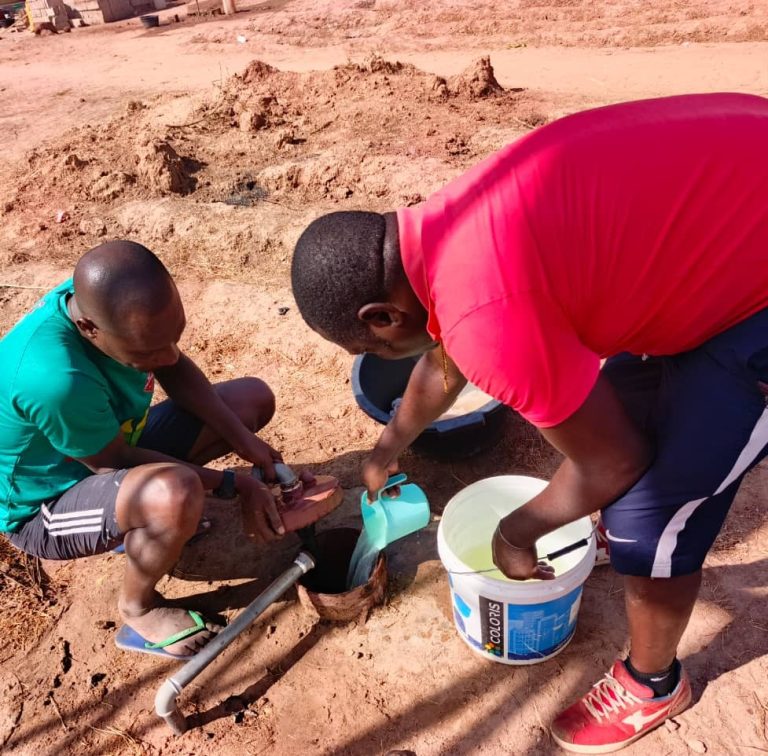
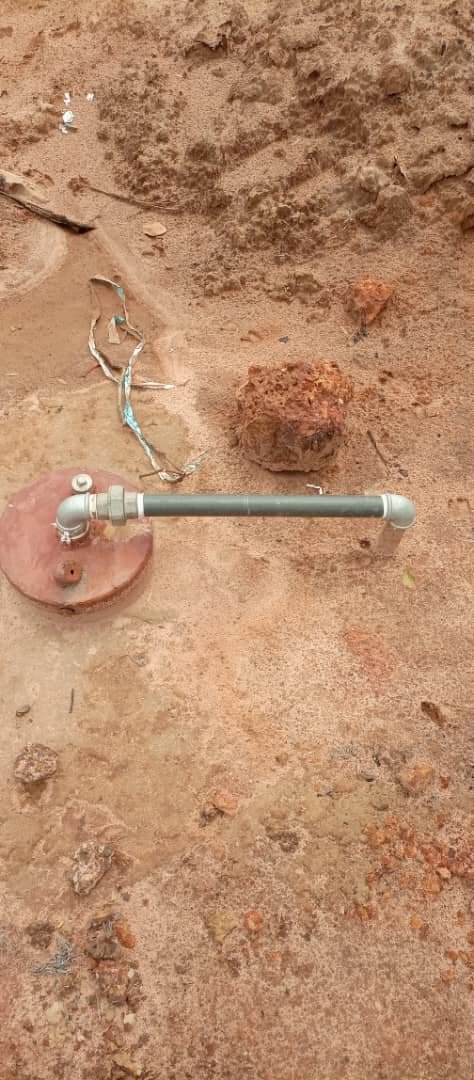
For generations, obtaining Wedi meant relying entirely on tradition: hand-dug wells exposed to the elements, changing seasons, and the unpredictable movements of the local water table. While these methods reflected a deep resilience, they left communities vulnerable to severe water crises and invisible health threats.
Today, a profound transformation is taking place at the Casa Winsan Business Center in Bigene. Founded by Guimeds as a visionary mineral water wholesaler and sustainable development hub, Casa Winsan is rewriting the narrative of rural water access.
By marrying the ancestral reverence for Wedi with cutting-edge data tracking and modern distribution technology, the project is building a reliable bridge toward true regional wellness. This initiative ensures that pure, safe water is accessible to everyone, regardless of social status, while honoring the cultural identity of the land.
The Digital Architecture of Wedi
At Casa Winsan, technology is not used to replace the land’s heritage, but to protect it. Transforming water distribution in a region historically prone to infrastructure shortages requires more than just digging deeper boreholes, it demands real-time intelligence. The project utilizes a structured approach to data collection and monitoring that ensures the water flowing into the community continuously meets the highest global safety standards.
To optimize resources and secure public health, the infrastructure leverages three core technological pillars:
1. Smart Sensor Networks and Real-Time Water Quality Metrics
Water safety cannot be left to guesswork. Casa Winsan integrates specialized electronic sensor probes at critical points within its filtration and storage infrastructure. These sensors continuously measure baseline physical and chemical parameters, feeding data back into a centralized tracking system.
By establishing these automated digital checkpoints, the system ensures that every batch of water aligns strictly with the parameters required by the World Health Organization (WHO). If a shift in conductivity or pH is detected, the distribution team is alerted instantly, allowing for micro-adjustments before the water ever reaches a consumer.
2. Solar-Powered Smart Flow Management
Bigene, like much of Guinea-Bissau, faces electrical grid limitations. Casa Winsan addresses this by using dedicated solar-powered water pumping and filtration systems. To prevent the depletion of localized aquifers, the pumps are equipped with digital flow meters.
These meters track exactly how many liters are extracted and distributed each hour. By analyzing seasonal extraction curves, the data team can optimize energy usage—pumping at peak sunlight hours—and prevent over-extraction, ensuring the natural spring remains a sustainable asset for generations to come.
3. Supply Chain Tracking and Resource Optimization
As a major wholesaler in the northern region, Casa Winsan maps out logistical data to streamline delivery routes and predict water shortages.
By analyzing localized consumption trends alongside real-time inventory metrics, the center can proactively direct water supplies to areas experiencing peak demand or sudden seasonal scarcities. This drastically reduces the frequent water crises that have historically impacted the population living near the border with Senegal.
Aligning with Global Benchmarks: The Science of Clean Water
To understand why this technological framework is so vital, one must look at how the World Health Organization defines true drinking water safety. Safe water is a fundamental human right, yet achieving it requires strict adherence to scientific guardrails.
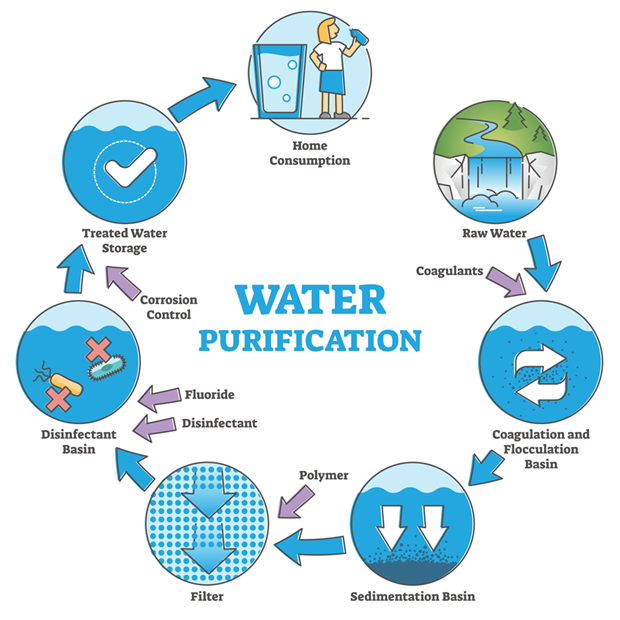
According to the WHO, water must be entirely free from pathogenic microorganisms, hazardous chemicals, and dangerous radiological elements.
| Contaminant Class | Examples Monitored | Potential Health Risk | Casa Winsan Intervention |
| Microbiological | E. coli, Total Coliforms, Viruses | Waterborne diseases, acute gastrointestinal illness | Continuous sanitization and sealed, sterile containment lines. |
| Chemical | Nitrates, Arsenic, Heavy Metals | Chronic toxicological conditions, organ strain | High-precision filtration barriers and chemical baseline tracking. |
| Physical & Radiological | Suspended solids (Turbidity), Radionuclides | Gastrointestinal irritation, long-term systemic cellular damage | Multi-stage physical sediment filtration and regular quality testing. |
By utilizing modern laboratory equipment alongside digital tracking tools, Casa Winsan guarantees that its water is more than just clean to the eye, it is biologically and chemically pristine. It is water that does not merely prevent disease, but actively fosters an abundance of daily wellness.
From the Soil to the Table: A Holistic Vision
The technological innovations driving water distribution do not exist in a vacuum. Under the leadership of founder Alfredo Sambù, a practicing pharmacist in Vicenza, Italy, who originally hails from the nearby village of Bambaia, Casa Winsan views water as the foundational element of a much larger, self-sustaining ecosystem.
The data collected through the water distribution network directly informs local agricultural initiatives. By sharing water resource data and sustainable irrigation techniques, Casa Winsan empowers local farmers with the training and resources needed to grow highly nutritious, organic produce.
Operating out of Bigene rather than the capital city of Bissau was a deliberate choice. It represents a heartfelt return to origins and a strategic commercial move. Positioned closely to Senegal, Bigene serves as a natural trade gateway. By introducing advanced water processing and smart agricultural support here, the project drives economic decentralization, empowers local human resources, and directly enhances the quality of life across the entire northern frontier.
This is where the ancient understanding of the land meets modern pharmaceutical precision. It is an intentional effort to reduce dependence on costly imported goods, strengthen Guinea-Bissau’s rural health infrastructure, and give back to the communities that have preserved the identity and cultural values of this beautiful continent for millennia.
Join the Journey
The transformation of Bigene is proof that when ancestral wisdom is backed by modern data and compassionate technology, a healthier, more balanced future is entirely within reach. We are building a sustainable legacy, one drop of Wedi at a time, and we cannot do it alone.
The Pulse of the North: Balancing Ancestral Ground and Digital Precision
The rhythm of life in Bigene, a vibrant sector nestled within the Cacheu Region of northern Guinea-Bissau, has always been dictated by the presence, or absence, of water. To the Balanta people, one of the primary ethnic groups whose roots run deep into this fertile soil, water is not merely a chemical compound.
They call it Wedi. The word carries a heavy, sacred weight. It represents the ultimate thread of survival, an indispensable gift that no living being can do without.
For generations, obtaining Wedi meant relying entirely on tradition: hand-dug wells exposed to the elements, changing seasons, and the unpredictable movements of the local water table. While these methods reflected a deep resilience, they left communities vulnerable to severe water crises and invisible health threats.
Today, a profound transformation is taking place at the Casa Winsan Business Center in Bigene. Founded by Guimeds as a visionary mineral water wholesaler and sustainable development hub, Casa Winsan is rewriting the narrative of rural water access.
By marrying the ancestral reverence for Wedi with cutting-edge data tracking and modern distribution technology, the project is building a reliable bridge toward true regional wellness. This initiative ensures that pure, safe water is accessible to everyone, regardless of social status, while honoring the cultural identity of the land.
The Digital Architecture of Wedi
At Casa Winsan, technology is not used to replace the land’s heritage, but to protect it. Transforming water distribution in a region historically prone to infrastructure shortages requires more than just digging deeper boreholes, it demands real-time intelligence. The project utilizes a structured approach to data collection and monitoring that ensures the water flowing into the community continuously meets the highest global safety standards.
To optimize resources and secure public health, the infrastructure leverages three core technological pillars:
1. Smart Sensor Networks and Real-Time Water Quality Metrics
Water safety cannot be left to guesswork. Casa Winsan integrates specialized electronic sensor probes at critical points within its filtration and storage infrastructure. These sensors continuously measure baseline physical and chemical parameters, feeding data back into a centralized tracking system.
By establishing these automated digital checkpoints, the system ensures that every batch of water aligns strictly with the parameters required by the World Health Organization (WHO). If a shift in conductivity or pH is detected, the distribution team is alerted instantly, allowing for micro-adjustments before the water ever reaches a consumer.
2. Solar-Powered Smart Flow Management
Bigene, like much of Guinea-Bissau, faces electrical grid limitations. Casa Winsan addresses this by using dedicated solar-powered water pumping and filtration systems. To prevent the depletion of localized aquifers, the pumps are equipped with digital flow meters.
These meters track exactly how many liters are extracted and distributed each hour. By analyzing seasonal extraction curves, the data team can optimize energy usage, pumping at peak sunlight hours, and prevent over-extraction, ensuring the natural spring remains a sustainable asset for generations to come.
3. Supply Chain Tracking and Resource Optimization
As a major wholesaler in the northern region, Casa Winsan maps out logistical data to streamline delivery routes and predict water shortages.
By analyzing localized consumption trends alongside real-time inventory metrics, the center can proactively direct water supplies to areas experiencing peak demand or sudden seasonal scarcities. This drastically reduces the frequent water crises that have historically impacted the population living near the border with Senegal.
Aligning with Global Benchmarks: The Science of Clean Water
To understand why this technological framework is so vital, one must look at how the World Health Organization defines true drinking water safety. Safe water is a fundamental human right, yet achieving it requires strict adherence to scientific guardrails.
According to the WHO, water must be entirely free from pathogenic microorganisms, hazardous chemicals, and dangerous radiological elements.
| Contaminant Class | Examples Monitored | Potential Health Risk | Casa Winsan Intervention |
| Microbiological | E. coli, Total Coliforms, Viruses | Waterborne diseases, acute gastrointestinal illness | Continuous sanitization and sealed, sterile containment lines. |
| Chemical | Nitrates, Arsenic, Heavy Metals | Chronic toxicological conditions, organ strain | High-precision filtration barriers and chemical baseline tracking. |
| Physical & Radiological | Suspended solids (Turbidity), Radionuclides | Gastrointestinal irritation, long-term systemic cellular damage | Multi-stage physical sediment filtration and regular quality testing. |
By utilizing modern laboratory equipment alongside digital tracking tools, Casa Winsan guarantees that its water is more than just clean to the eye, it is biologically and chemically pristine. It is water that does not merely prevent disease, but actively fosters an abundance of daily wellness.
From the Soil to the Table: A Holistic Vision
The technological innovations driving water distribution do not exist in a vacuum. Under the leadership of founder Alfredo Sambù—a practicing pharmacist in Vicenza, Italy, who originally hails from the nearby village of Bambaia, Casa Winsan views water as the foundational element of a much larger, self-sustaining ecosystem.
The data collected through the water distribution network directly informs local agricultural initiatives. By sharing water resource data and sustainable irrigation techniques, Casa Winsan empowers local farmers with the training and resources needed to grow highly nutritious, organic produce.
Operating out of Bigene rather than the capital city of Bissau was a deliberate choice. It represents a heartfelt return to origins and a strategic commercial move. Positioned closely to Senegal, Bigene serves as a natural trade gateway. By introducing advanced water processing and smart agricultural support here, the project drives economic decentralization, empowers local human resources, and directly enhances the quality of life across the entire northern frontier.
This is where the ancient understanding of the land meets modern pharmaceutical precision. It is an intentional effort to reduce dependence on costly imported goods, strengthen Guinea-Bissau’s rural health infrastructure, and give back to the communities that have preserved the identity and cultural values of this beautiful continent for millennia.
Join the conversation
The transformation of Bigene is proof that when ancestral wisdom is backed by modern data and compassionate technology, a healthier, more balanced future is entirely within reach. We are building a sustainable legacy, one drop of Wedi at a time, and we cannot do it alone.