
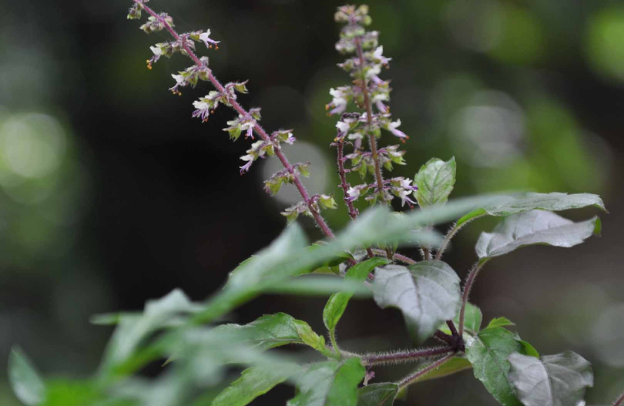
Close your eyes for a moment and imagine the scent of a sun-warmed garden. Picture a leafy, vibrant plant whose fragrance is a complex blend of pepper, clove, and sweet mint. This is the aroma of Tulsi, or Holy Basil. In its native India, this is no mere culinary herb; it is a sacred plant, a living shrine.
You will find it growing in a special pot in the courtyards of homes, where its presence is believed to purify the space, protect the family, and bestow health and prosperity. It is revered as the “Queen of Herbs,” an earthly manifestation of the divine.
Now, travel across the continents to Africa, where a similar reverence is held for certain plants that stand as guardians at the doorstep.
Here, a plant’s power is understood not just by its chemical properties, but by its spirit, its ability to cleanse, protect, and restore harmony. How is it that two ancient traditions, separated by thousands of miles, came to a shared understanding of what a sacred plant can do?
This is the story of Tulsi. It is a journey into its scientifically proven ability to help your body manage stress, balance your hormones, and bolster your immunity. But more profoundly, it is an exploration of how this sacred Indian leaf embodies the African spirit of a guardian herb, reminding us of a universal wisdom that sees certain plants as powerful allies for the body and soul.
The Queen of Herbs: An Adaptogen for Modern Life
In our relentlessly fast-paced world, you’ve likely heard the term “adaptogen.” It’s a modern word for an ancient concept.
An adaptogen is a plant that helps your body adapt to and resist stress of all kinds, whether it’s the physical stress of a long run, the emotional stress of a difficult day, or the environmental stress of city life. Think of it not as a sledgehammer that forces a change, but as an intelligent thermostat that helps your body find its own perfect balance, or homeostasis.
In the 5,000-year-old tradition of Ayurvedic medicine, Tulsi (Ocimum sanctum or Ocimum tenuiflorum) is the quintessential adaptogen. For millennia, it has been used to promote resilience, calm the nervous system, and foster a state of peaceful clarity.
It was, and still is, the go-to remedy for what you might call “nervous tension” or a weary spirit. Drinking a tea of its leaves is not just about hydration; it’s a ritual meant to settle a restless mind, sharpen focus, and prepare the spirit for meditation or a peaceful night’s sleep.
It doesn’t numb you or artificially stimulate you; it gently brings you back to center, allowing you to face life’s pressures with greater ease and grace.
The Science of Sacredness: How Tulsi Balances the Body
What ancient healers knew through careful observation, modern science is now beginning to understand through rigorous study. The sacred status of Tulsi is backed by some impressive biochemistry.
When you are under stress, your body’s command center the hypothalamic-pituitary-adrenal (HPA) axis—goes into overdrive, flooding your system with the stress hormone cortisol. While crucial for short-term survival, chronically high cortisol levels lead to burnout, anxiety, hormonal chaos, and a weakened immune system.8
This is where Tulsi works its magic. As a comprehensive 2017 review published in the Journal of Ayurveda and Integrative Medicine highlights, numerous clinical trials have shown that Tulsi can help regulate cortisol levels.
By soothing the HPA axis, it helps your body maintain a healthier, more balanced stress response. This translates into that tangible feeling of being calmer, more focused, and less reactive to daily pressures.11 Its harmonizing effect on the HPA axis is also how it supports broader hormonal balance, influencing everything from your metabolism to your reproductive health.
Furthermore, Tulsi is a powerful shield for your immune system. Its leaves are rich in antioxidants and compounds like eugenol (which gives it its clove-like scent) that have potent antimicrobial and anti-inflammatory properties. Regular consumption can help your body build a more robust defense against common illnesses, which is why it’s a staple in India during the cold and flu season.
A Kinship in African Healing: The Guardian at the Doorstep
While Tulsi is native to the Indian subcontinent, its spirit and function find a remarkable parallel in African traditional medicine. In many African cultures, the concept of a “guardian” plant is essential.
This is a plant that does more than just heal a physical symptom; it offers spiritual protection, cleanses negative energy, and ensures the holistic well-being of the home and its inhabitants.
Meet Tulsi’s close cousin, African Basil (Ocimum gratissimum). Known across West Africa as “Scent Leaf,” Efinrin in Yoruba, or Nchanwu in Igbo, its role is strikingly similar to that of Holy Basil. Its powerfully aromatic leaves are a key ingredient in soups given to new mothers to promote healing or to anyone suffering from a fever or cough. Its physical medicinal properties are deeply respected.
But its purpose goes much deeper. Scent Leaf is a cornerstone of spiritual hygiene. You might find its leaves added to bathwater for a ritual cleansing to wash away misfortune or negative spiritual influences.
Bunches of it may be hung in a doorway or planted around the compound, not just to deter insects with its strong scent, but to create a protective barrier against ill will and bad spirits.
Here lies the beautiful kinship: both Tulsi and African Basil are revered for their aroma, which is seen as a tangible manifestation of their purifying power. Both are used for a vast array of physical ailments, from coughs to digestive issues.
And most importantly, both are seen as sacred allies that work simultaneously on the body, the mind, and the spirit. This shared philosophy reveals a profound and universal understanding, that true health is a state of harmony, and certain plants are gifted with the ability to help us maintain it.
Bringing the Sacred into Your Daily Ritual
Inviting the balancing energy of Tulsi into your life is a simple and rewarding practice. You’ll most often find it as a tea, and there are three main varieties to explore, each with a slightly different character:
- Rama Tulsi: With green leaves, this is the most common type, known for its cooling, mellow flavor.
- Krishna Tulsi: This variety has purplish leaves and a crisp, peppery taste. It’s often considered the most potent.
- Vana Tulsi: This is a wild variety with a bright, lemony fragrance and a gentler effect.
The easiest way to connect with the herb is through a daily tea ritual. Take a moment to pause, inhale the warm, fragrant steam, and sip with intention. This simple act can become a powerful anchor in your day. For a more convenient dose, you can also find Tulsi in tinctures or capsules. And if you have access to fresh leaves, adding them to your water or a salad is a wonderful way to enjoy their benefits.
While Tulsi is considered very safe for most people, it’s wise to be mindful. Due to its potential influence on hormones and blood clotting, it’s best to consult with a healthcare provider before using it if you are pregnant, trying to conceive, or taking blood-thinning medication.
The Simple Ritual of Balance
In a world that constantly pulls you in a million directions, Tulsi offers a gentle but firm invitation to return to your center. It is so much more than a wellness trend or a “superfood.” It is a plant steeped in millennia of reverence, a symbol of a deep, cross-cultural wisdom that sees nature as our greatest partner in the quest for balance.17
Embracing an herb like Tulsi is about more than just managing your cortisol levels. It’s about engaging in a simple, daily ritual of self-care. It’s about honoring the profound connection between the peace of your mind and the health of your body.
When you drink a cup of Tulsi tea, you are taking part in an ancient practice that connects you to a global heritage of healing, one that has always known that the most sacred sanctuary you have is your own well-being.


