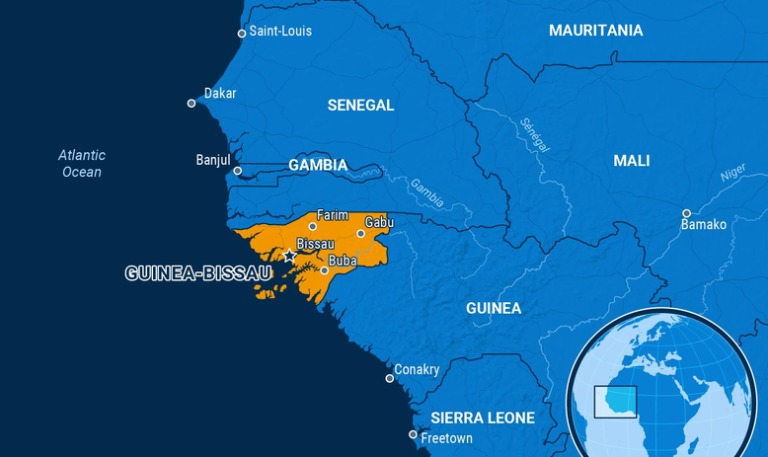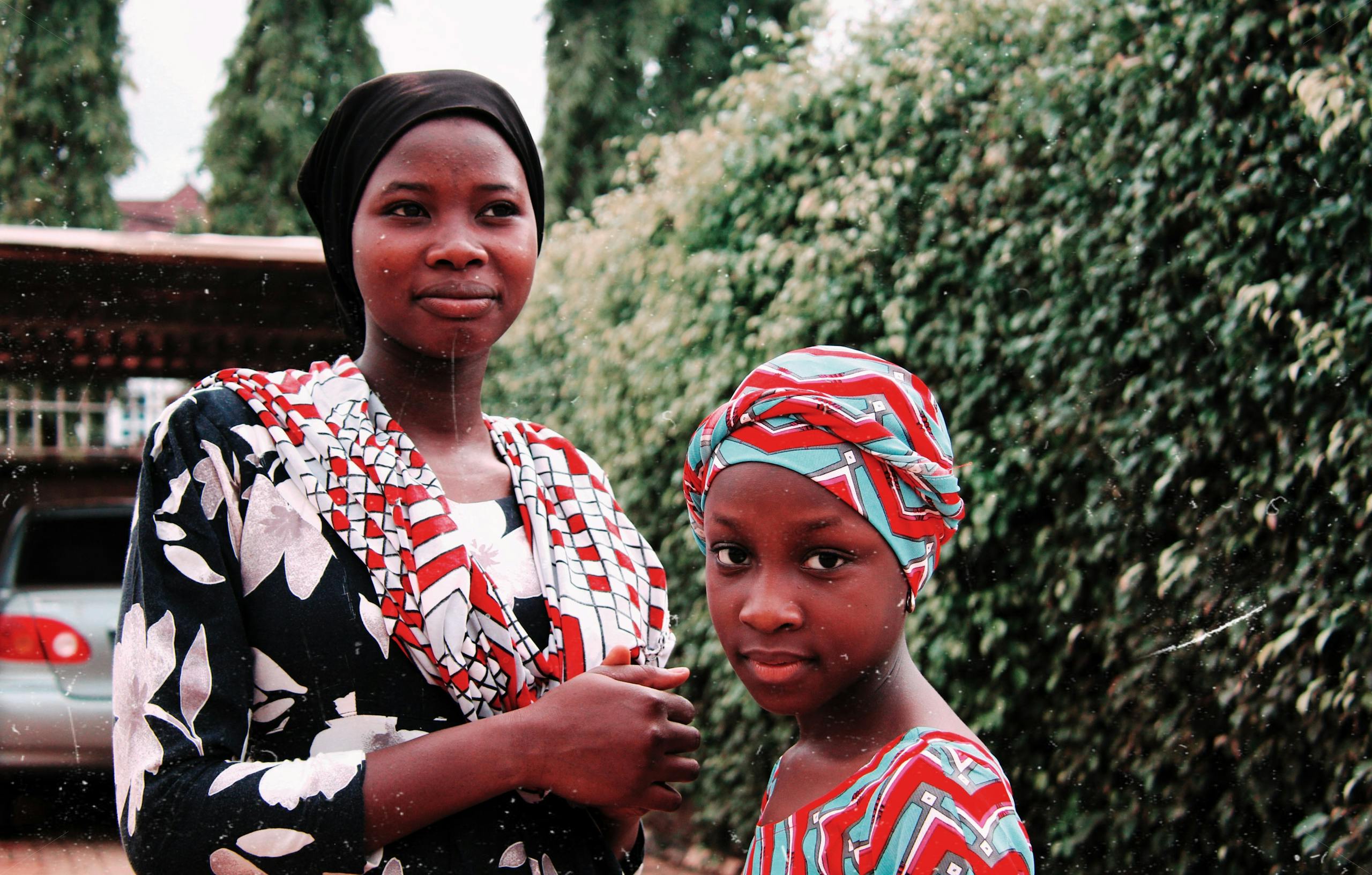
In the vibrant landscapes of Guinea-Bissau, specifically within the rhythmic daily life of the northern Cacheu Region, there is a sound that defines the dawn. It is the soft footfalls and the melodic chatter of women heading toward the source. For generations, women have been the primary stewards of water, or Wedi, as the Balanta people call this life-giving essence. They are the managers of the household, the nurturers of the land, and the silent engineers of community health.
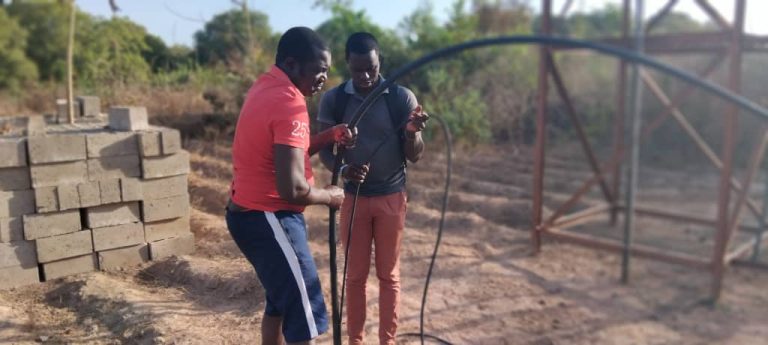
At Casa Winsan, we recognize that to transform a nation’s health, one must first empower the hands that carry the water. Our mission in Bigene is not merely about pipes, filters, and mineral water distribution; it is about honoring and elevating the role of women in water management.
By integrating modern infrastructure with traditional female leadership, we are creating a ripple effect of wellness and economic independence that begins at the well and stretches across the border to Senegal and beyond.
The Traditional Weight of the Water Vessel
To understand the future we are building at Casa Winsan, we must acknowledge the historical and cultural reality of water in West Africa. Historically, women and girls have borne the disproportionate burden of water collection.
Statistics show that in sub-Saharan Africa, women spend an estimated 40 billion hours a year collecting water. In rural Guinea-Bissau, this journey can take hours, stealing time from education, rest, and income-generating activities.
However, this role is not just one of labor; it is one of profound knowledge. Women are the first to notice changes in water taste, clarity, and flow. They are the traditional experts in water conservation and hygiene.
When Alfredo Sambù founded Casa Winsan in Bigene, he didn’t just see a logistical need; he saw an opportunity to transform this traditional responsibility into a position of formal authority and economic power.
Why Women are Central to Water Security
Scientific and social research consistently proves that when women are involved in the management of water resources, systems are more sustainable and communities are healthier. The World Health Organization (WHO) emphasizes that safe water is a fundamental human right, but achieving this right requires local oversight.
- Health and Hygiene Advocacy: Women are typically the primary caregivers. When a woman has access to safe Wedi, she ensures that her children are protected from waterborne pathogens.
- Economic Sustainability: When women are freed from the grueling hours of manual water collection, they redirect that energy into agriculture and local commerce.
- Community Trust: In villages like Bambaia, women are the glue of social cohesion. A water project led by or involving women gains immediate communal trust and long-term viability.
Casa Winsan’s Commitment: Beyond Distribution
Casa Winsan Business Center is more than a mineral water wholesaler. We are a hub for sustainable development. Our approach to empowering women in Bigene and the surrounding areas is built on three foundational pillars:
1. Economic Inclusion in the Supply Chain
We don’t just provide water to the community; we integrate local women into the business ecosystem. From logistics and distribution to retail management, Casa Winsan provides training and employment opportunities.
By becoming distributors of our purified mineral water, local women transform from “water carriers” to “water entrepreneurs.” This shift provides them with a stable income, which studies show is almost always reinvested into the family’s nutrition and education.
2. Training in Sustainable Agriculture
Water and food are inseparable. Casa Winsan supports local farmers, many of whom are women, with the resources to grow organic produce. We provide training in irrigation techniques that respect the local ecosystem, ensuring that the Wedi used for crops is managed efficiently.
By empowering women with these skills, we are reducing the country’s reliance on imported goods and strengthening Guinea-Bissau’s food sovereignty.
3. Health Education and WHO Standards
As a pharmacist, our founder Alfredo Sambù understands that “safe water” is a clinical necessity. We involve women in our health outreach programs, teaching the specific parameters set by the WHO for water safety.
These women become “Health Ambassadors” in their neighborhoods, explaining why microbiological and chemical safety, free from heavy metals and nitrates, is essential for the long-term vitality of the population.
The “Wedi” Effect: Transforming Bigene
Why did we choose Bigene over the capital, Bissau? Because the need is greatest where the roots are deepest. In Bigene, the proximity to the Senegalese border creates a unique commercial opportunity. By empowering women here, we are positioning them at the center of a thriving trade route.
When a woman in Bigene manages a water distribution point, she isn’t just selling a bottle of water. She is managing a resource that prevents cholera, reduces infant mortality, and powers the local economy. She is the guardian of the “Knowledge of Ages,” applying ancestral wisdom of conservation to modern, standardized purification technology.
“To empower a woman with water is to irrigate the future of an entire village.”
Bridging Tradition and Modernity
At Casa Winsan, we respect the sacred nature of water. We know that in the Balanta culture, and many others across Guinea-Bissau, water is seen as a gift. By ensuring this gift is purified to the highest international standards, we are merging the sacred with the scientific.
Our female staff and partners are the bridge-builders. they take the complex technicalities of water filtration and translate them into communal benefits. They are the reason we can say that Casa Winsan water is suitable for everyone, regardless of social status. It is high-quality, safe, and accessible, distributed by the very people who understand its value most.
A Call to Holistic Wellness
Wellness is not an individual pursuit; it is a collective state of balance. When women are empowered, the “abundance of wellness” that Casa Winsan strives for becomes a reality. We see a future where every village in the Cacheu Region has a reliable, safe water system managed by trained, empowered local leaders.
We are not just building a business; we are honoring a debt of gratitude to the land of Bambaia and the people who raised us. We are proving that sustainable development doesn’t have to come from the outside, it flows from the heart of the community, guided by the steady hands of its women.
Join Our Journey
The story of water in Guinea-Bissau is still being written, and we want you to be a part of it. Whether you are a professional looking to share your expertise, a supporter of sustainable development, or someone passionate about African traditional wisdom, there is a place for you in our circle.
Together, we can ensure that Wedi remains a source of life, health, and empowerment for all.
Want to join us, support us, or work with us? Fill out this form and we will get back to you. https://guimeds.com/work-with-us