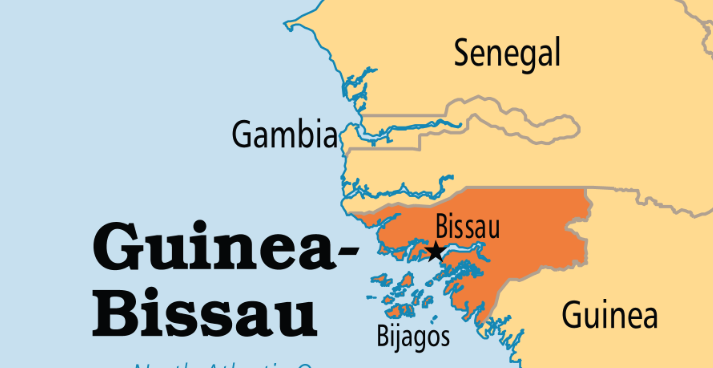
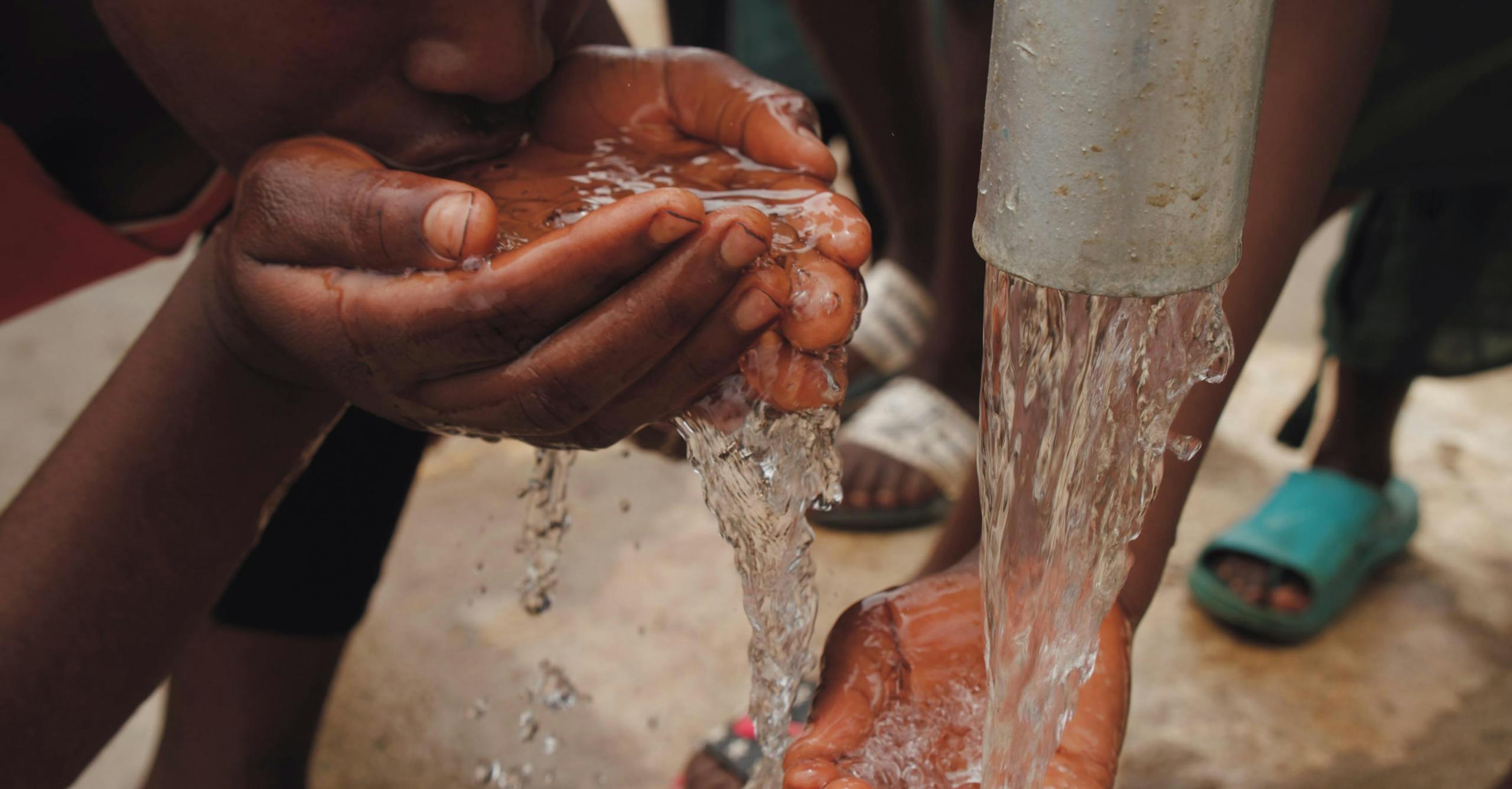
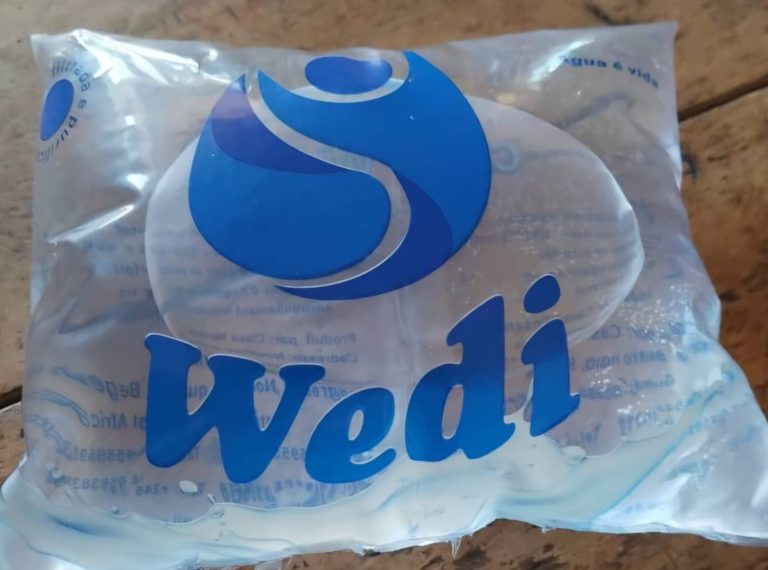
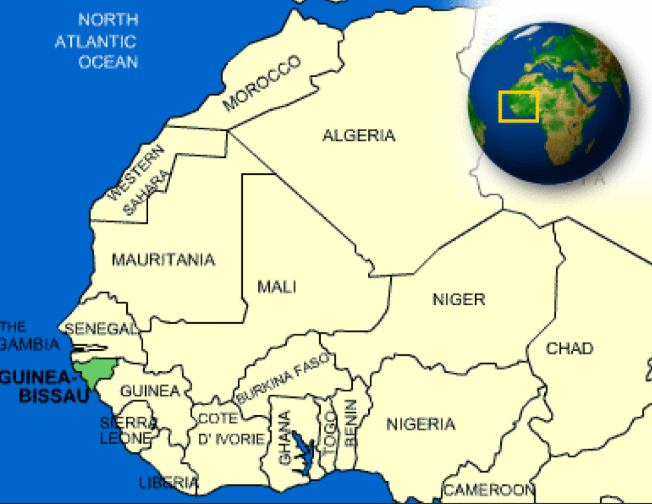
In the heart of the Cacheu Region, where the sun warms the vibrant soil of Bigene, there is a word that carries the weight of existence itself: Wedi. In the Balanta language, spoken by one of our nation’s most resilient ethnic groups, Wedi simply means water. But as any elder in the village of Bambaia will tell you, water is never “simple.” It is the silent partner in every harvest, the cooling touch for a fevered child, and the foundation upon which a community builds its future.
I am Alfredo Sambù. My journey took me from the red paths of Guinea-Bissau to the pharmacies of Vicenza, Italy, but my heart never truly left the village. As a pharmacist, I understand the molecular necessity of water. As a son of this land, I understand the heartbreak of dryness well.
Guinea-Bissau faces profound challenges in providing its people with this fundamental human right. Yet, at Casa Winsan, we believe that challenges are merely invitations for innovation.
Today, I invite you to explore the landscape of water infrastructure in our country and how we are building a bridge between ancient necessity and modern, sustainable solutions.
The Landscape of the Challenge: Why the Taps Run Dry
To understand the work we do at the Casa Winsan Business Center, one must first understand the hurdles that have historically kept safe water out of reach for many. Guinea-Bissau is a land of ecological wealth, yet its infrastructure often tells a different story.
1. The Geographic and Economic Divide
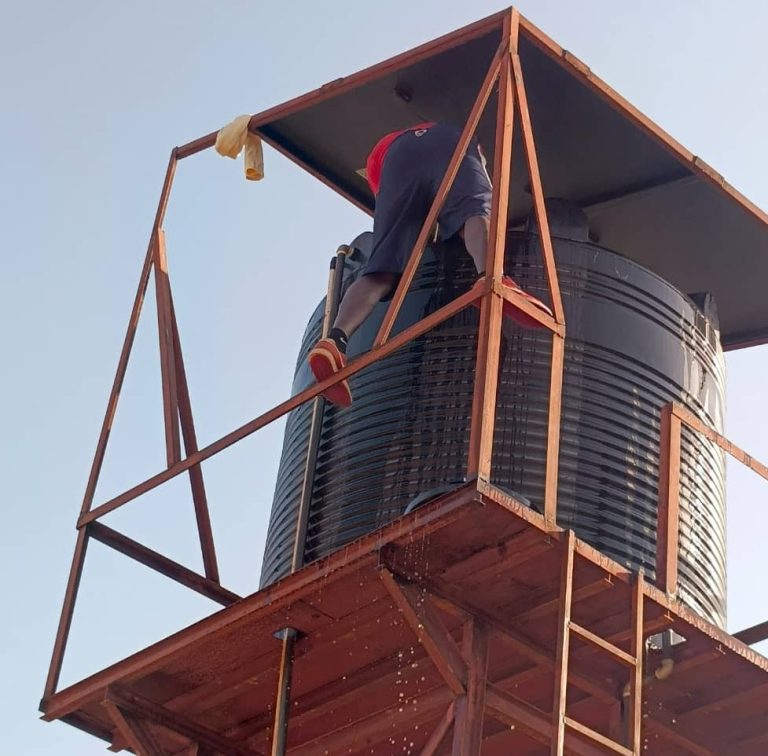
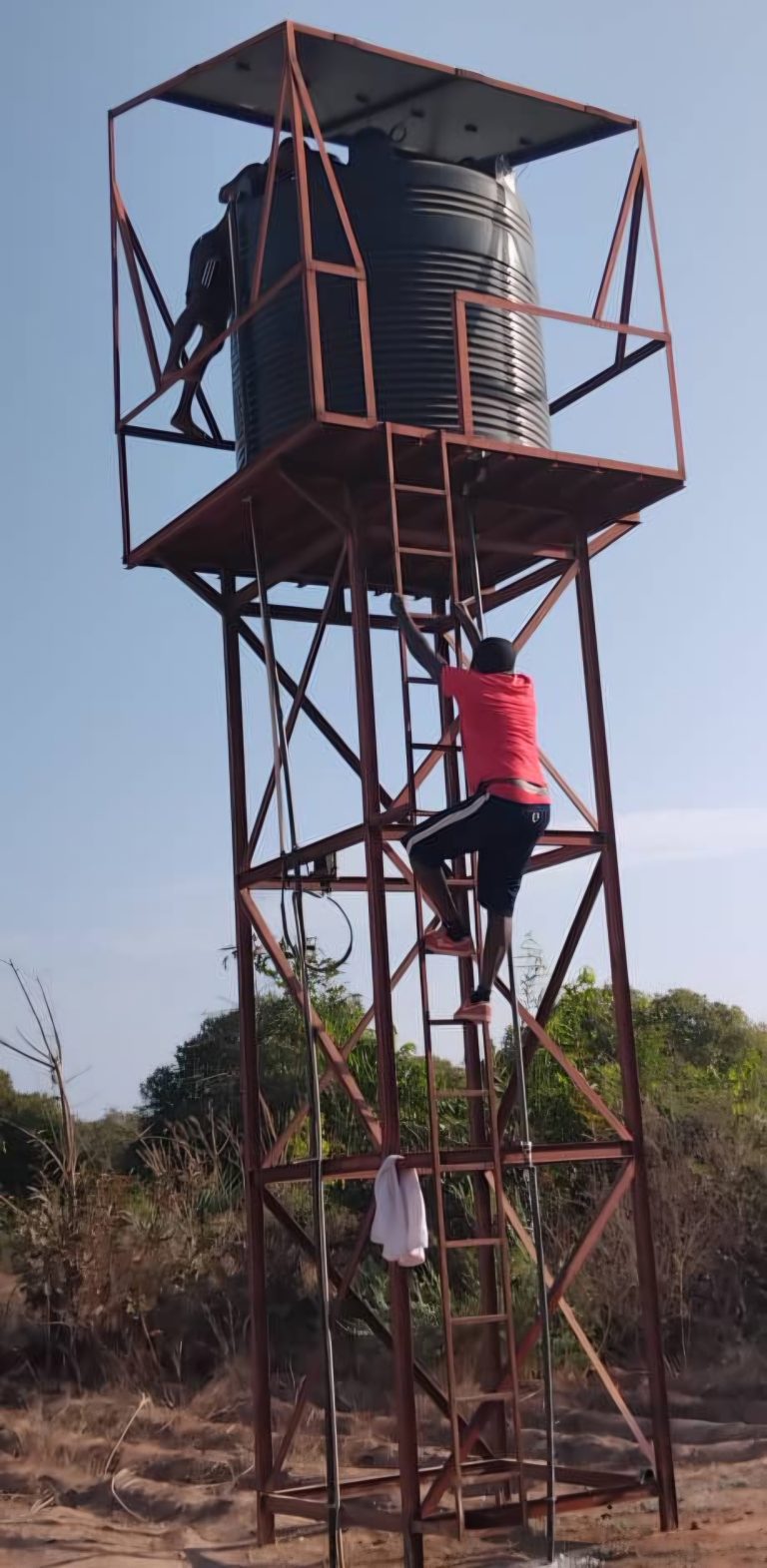
Historically, investment in infrastructure has been concentrated in the capital, Bissau. This leaves rural and border regions, like Bigene, in a state of “water poverty.” While Bissau struggles with aging colonial-era pipes, rural areas often rely on hand-dug wells that are vulnerable to seasonal fluctuations and surface contamination.
2. The Maintenance Gap
Building a well is easy; keeping it running for twenty years is the true feat. Many international aid projects in the past failed because they installed complex machinery without training the local community to maintain it. When a single valve breaks, and the parts are only available in Europe or Senegal, the “solution” quickly becomes a monument to wasted potential.
3. Saltwater Intrusion and Contamination
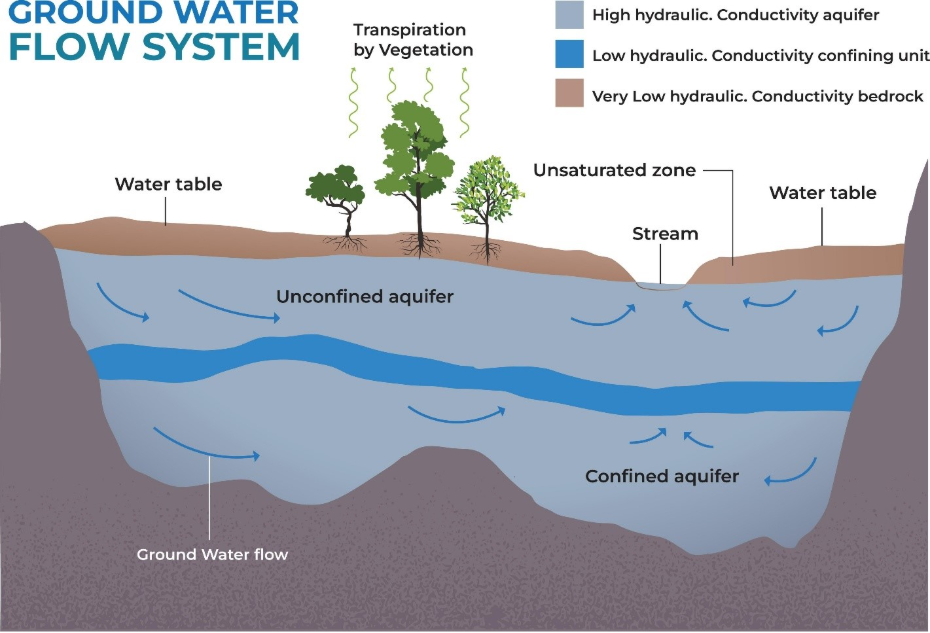
Being a coastal and river-rich nation, we face the paradox of having water everywhere but little of it to drink. In many areas, rising sea levels and over-extraction lead to saltwater intrusion in the water table.
Furthermore, without standardized treatment, groundwater is often a host for pathogens that lead to waterborne diseases—the very thing the World Health Organization (WHO) warns is the greatest threat to global public health.
The Casa Winsan Approach: A Return to Origins
When I founded Casa Winsan, I chose Bigene over Bissau for a specific reason. We did not want to add to the urban sprawl; we wanted to empower the roots. Our strategy to overcome infrastructure challenges is built on three pillars: Strategic Location, WHO-Standard Technology, and Community Sovereignty.
Turning a Border into a Bridge
Bigene’s proximity to Senegal is often seen as a logistical hurdle, but we view it as a strategic asset. By establishing our mineral water wholesale and production headquarters here, we create a commercial hub that stabilizes the local economy.
We are not just building a factory; we are creating a supply chain that ensures the northern region no longer has to wait for deliveries from the capital that may never arrive due to poor road conditions.
Adhering to the Highest Standards
The WHO defines safe water as being free from pathogenic microorganisms and dangerous chemicals, including nitrates and heavy metals. At Casa Winsan, we don’t just “filter” water; we treat it as a pharmaceutical product.
We utilize modern purification systems that respect the natural mineral balance of the local source while ensuring absolute microbiological safety. By following the WHO parameters for radioactivity and chemical safety, we provide a product that is not just “clean” but “therapeutic.” We are proving that world-class quality can be produced in a rural village.
Beyond the Bottle: Water as an Engine for Agriculture
Infrastructure isn’t just about pipes; it’s about what the water does once it reaches the surface. At Casa Winsan, we recognize that water and food are inseparable.
“Safe water is a fundamental human right and an essential element for life and health.” -World Health Organization
We use our infrastructure to support local farmers. In Guinea-Bissau, agriculture is the backbone of the economy, yet it is often at the mercy of the rains. By providing reliable water distribution, we empower farmers in Bigene to move beyond subsistence farming.
- Training: We provide resources for organic, sustainable farming.
- Resilience: With a steady water supply, farmers can grow nutritious produce even during the dry season.
- Economic Growth: This reduces our country’s reliance on expensive imported goods, keeping wealth within the community.
The Statistics of Impact: Why Our Mission Matters
To understand the urgency, we must look at the data. In sub-Saharan Africa, it is estimated that nearly 40% of the population lacks access to a basic clean water service. In rural Guinea-Bissau, that number can fluctuate significantly depending on the season.
Furthermore, waterborne illnesses are a leading cause of childhood mortality in the region. By providing water that meets 100% of the WHO’s safety guidelines, Casa Winsan isn’t just selling a product; we are providing a preventative health measure. Our goal is to see a 30-50% reduction in water-related health crises in the northern region through consistent access to Wedi.
Sustainability: The Hydrogen Bond of Community
Water molecules are held together by hydrogen bonds, small, invisible forces that create a powerful, life-sustaining liquid. Casa Winsan operates on a similar principle. Our “bonds” are the relationships we build with the people of Bambaia and Bigene.
We overcome the “Maintenance Gap” mentioned earlier by investing in local human resources. We don’t just bring in technicians; we train the local youth. This ensures that the knowledge of the infrastructure stays in the village.
This is our way of saying “thank you” to the land that raised me. It is a return to origins that looks firmly toward the future.
A Vision for the Future
The challenges of infrastructure in Guinea-Bissau are real, but they are not insurmountable. Through Casa Winsan, we are demonstrating that a blend of traditional respect, honoring the land and the meaning of Wedi, and modern scientific rigor can transform a region.
We are providing an “abundance of wellness.” When a mother in Bigene can reach for a bottle of clear, safe water, or a farmer can irrigate his crops without fear of the well running dry, the entire nation moves one step closer to balance. We are building more than a business center; we are building a legacy of health, one drop at a time.
Join Our Journey
The wisdom of ages tells us that “water is life,” but the reality of the modern world requires us to work hard to keep that life pure. We are looking for those who believe in the potential of Guinea-Bissau, the power of sustainable agriculture, and the fundamental right to clean water.
Want to join us, support us, or work with us?
We invite you to be part of this transformative story. Whether you are a researcher, a potential partner, or someone passionate about global wellness, your voice matters.
Fill out this form and we will get back to you: https://guimeds.com/work-with-us