Water is more than a natural resource. Across the African continent, it is the heartbeat of community, the catalyst for agricultural life, and the ultimate foundation of human dignity. Yet, across vast stretches of Sub-Saharan Africa, millions of rural families navigate daily water scarcity and fragile infrastructure. Clean water remains a goal that many communities strive to reach every single day.
At Guimeds, we believe that addressing this fundamental challenge requires a blend of deep-rooted cultural wisdom, uncompromising scientific standards, and an unwavering commitment to local empowerment. This philosophy came to life through Casa Winsan, a transformative initiative established in the Cacheu Region of Guinea-Bissau.
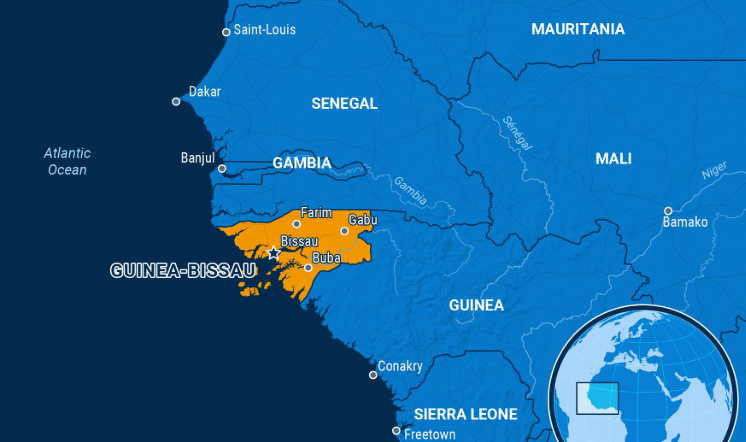
Founded by Alfredo Sambù, a practicing pharmacist based in Vicenza, Italy, who carries the soul and heritage of his native Guinea-Bissau, Casa Winsan represents a new blueprint for rural development. By establishing a modern water production center and supporting local agriculture in the small town of Bigene, Casa Winsan demonstrates how local initiatives can build self-reliance across the continent.
The Philosophy of Wedi: Roots, Meaning, and Strategic Location
To understand why Casa Winsan’s model succeeds where traditional top-down development projects often struggle, one must look at its origins.
In the language of the Balanta people—one of the primary ethnic groups in Guinea-Bissau—the word for water is Wedi. Water is recognized not merely as a commodity, but as an essential element that sustains all living beings.
Naming the clean water produced by Casa Winsan Wedi is an intentional act of respect. It honors the land, the indigenous language, and the natural resources present in the soil of Bigene.
Many industrial and commercial initiatives concentrate their capital in national hubs like Bissau. However, Casa Winsan chose Bigene, a decision rooted in three core principles:
- A Return to Origins and Personal Gratitude: The initiative is a direct expression of giving back to Bambaia, the village where Alfredo Sambù was born. True community empowerment begins by uplifting one’s home community.
- Tackling the Root of Vulnerability: Rural areas in northern Guinea-Bissau historically face acute water shortages. Establishing operations directly in Bigene improves daily life across the northern region, providing safe drinking water where it is needed most.
- Strategic Cross-Border Commercial Dynamics: Bigene’s geographic proximity to Senegal creates an economic bridge. It allows locally produced water to flow seamlessly into regional trade networks, creating local wealth and financial stability.
By investing in rural infrastructure rather than urban centers, Casa Winsan proves that economic and health transformations do not need to originate in capital cities. They can flourish in rural communities, radiating outward to benefit entire regions.
The Blueprint: Merging Traditional Values with WHO Science
A recurring challenge in rural water development across Africa is long-term sustainability. Well-intentioned wells and pumps often fall out of service due to poor maintenance, lack of local technical expertise, or insufficient water quality controls.
Casa Winsan resolves this by enforcing strict quality assurance anchored in the standards of the World Health Organization (WHO). According to the WHO, safe drinking water is a fundamental human right and an essential element for life and health. It must be free from pathogenic microorganisms, toxic chemicals, and radiological hazards.
Casa Winsan applies these international health standards to local resource management across several key areas:
- Microbiological Purity: The systematic elimination of bacteria, viruses, and parasites protects children and vulnerable elders from preventable waterborne illnesses.
- Chemical Safety: Rigorous monitoring of nitrates, heavy metals, and industrial agricultural runoff preserves long-term kidney and metabolic health across regional populations.
- Continuous Operations: Structured technical maintenance and systematic water filtration checks move operations away from temporary fixes to establish dependable, long-term water infrastructure.
- Equitable Access: The affordable regional distribution of packaged Wedi mineral water ensures clean water is accessible to everyone, regardless of socioeconomic status.
By aligning modern pharmaceutical-grade quality controls with local community stewardship, Casa Winsan demonstrates how small-scale water projects can achieve world-class health safety.
Beyond the Well: The Water-Agriculture Nexus
Clean drinking water is only the first step toward comprehensive community wellness. True health requires nourishing food, economic independence, and environmental stewardship. Casa Winsan treats safe water distribution as the foundation of a broader, integrated ecosystem.
In Bigene, water infrastructure directly supports local agriculture. Casa Winsan provides local farmers with practical training, organic inputs, and reliable irrigation resources:
- Building Food Sovereignty: By teaching sustainable, organic farming practices, the project enables communities to grow nutrient-dense crops locally. This reduces reliance on expensive imported foods and strengthens food security.
- Economic Empowerment: Local farmers transform surplus produce into regional trade opportunities. Income generated from agricultural yields stays within the community, supporting local families and schooling.
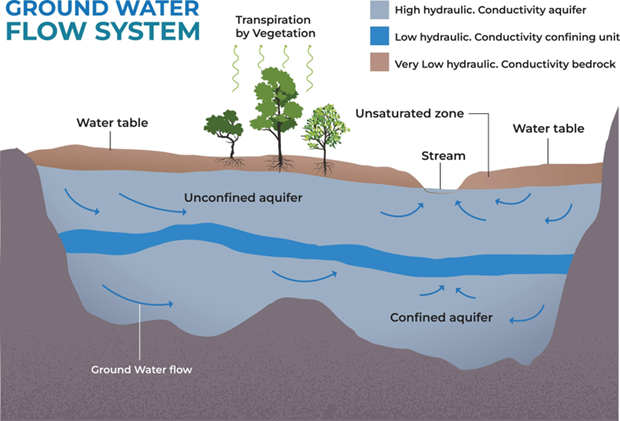
- Environmental Preservation: Organic farming techniques protect the local soil and prevent synthetic pesticides from seeping into regional groundwater aquifers, preserving the purity of Wedi for generations to come.
Four Key Pillars for Other African Nations to Follow
Across the African continent, rural communities face similar challenges: seasonal droughts, unreliable water access, economic migration, and a lack of local manufacturing. The success of Casa Winsan in Bigene provides four adaptable pillars for leaders, entrepreneurs, and development partners across Africa:
1. The Diaspora Reinvestment Model
Casa Winsan illustrates the potential of diaspora-led development. By combining professional expertise gained abroad—such as Alfredo Sambù’s background in pharmacy—with a deep understanding of local culture, diaspora professionals can design tailored solutions for their home countries.
2. Rural-First Infrastructure Investment
Investing directly in border regions and rural areas decentralizes economic opportunity. It builds local capacity, reduces rural-to-urban migration, and turns overlooked areas into vibrant commercial hubs.
3. Integrated Water-Health-Agriculture Systems
Water projects should not operate in isolation. Linking clean water access directly to agricultural training and healthcare infrastructure ensures that a single investment yields progress across public health, nutrition, and economic growth.
4. Cultural Resonance and Local Pride
Using local languages and honoring traditional heritage—such as naming the water Wedi—fosters genuine community ownership. When a project reflects the identity of its people, the community takes pride in maintaining and protecting its assets.
A Vision of Abundance and Balance
The story of Casa Winsan in Bigene shows what is possible when ancient cultural respect meets modern scientific rigour. Access to safe, clean water is far more than an infrastructure milestone; it is the key to unlocking human potential, revitalizing local soil, and restoring health to whole communities.
As we look toward the future of wellness across Africa, Casa Winsan stands as living proof that sustainable development is entirely achievable. By honoring the land, empowering local hands, and holding firm to uncompromising health standards, we can create a lasting legacy of balance, vitality, and abundance.
Want to join us, support us or work with us? Fill out this form and we will get back to you: https://guimeds.com/work-with-us