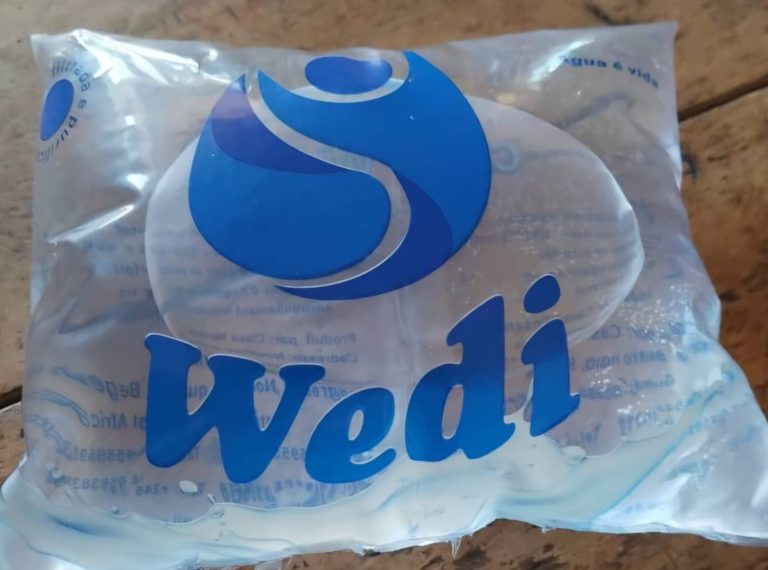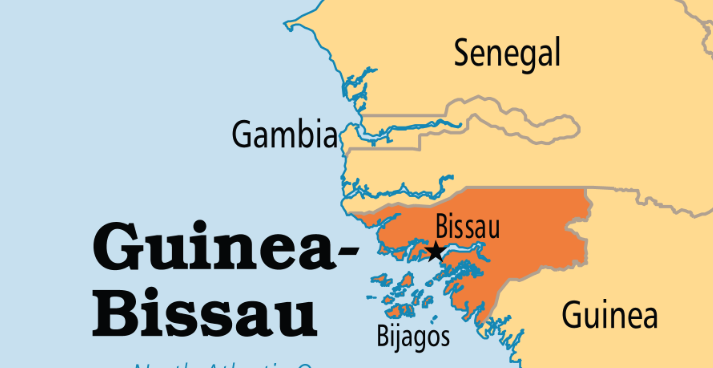
For generations, life in Guinea-Bissau has moved to the timeless rhythm of the seasons. The rains would come, softening the rich, hydromorphic soils of our lowlands, filling our rivers, and nourishing the traditional rice fields that form the backbone of our communities. In this beautiful corner of West Africa, water has never been viewed as merely a commodity. To the Balanta people, one of the primary ethnic groups of our land, water is called Wedi. It is a sacred, living resource, an irreplaceable presence in our soil that sustains every breath, every crop, and every family.
Yet, a profound shift is happening. The global challenge of climate change is no longer a distant warning or an abstract theory discussed in far-off academic halls. It is a lived reality unfolding across our plains, our coastlines, and our rural villages. Temperatures are rising, rainfall patterns are fracturing, and the underground aquifers that have quietly quenched our thirst for centuries are facing unprecedented stress.
At Casa Winsan, a transformative wellness and development initiative founded by Guimeds in Bigene, we believe that safeguarding Wedi requires a harmonious blend of generational wisdom and modern scientific stewardship. Protecting our water resources for the future is not just an environmental goal; it is a sacred duty to our ancestors, our children, and the earth itself.
The Changing Rhythm of the Land
To understand the impact of climate change on our water resources, we must look closely at how our climate is shifting. Comprehensive meteorological data covering recent decades reveals a stark and challenging trend across Guinea-Bissau: an overall decrease in stable precipitation coupled with a significant rise in average maximum temperatures.
Historically, our rainy season provided a steady, predictable deluge from May through November. Today, the rain plays a more volatile game. We are experiencing a decline in the total number of wet days and shorter overall wet spells, contrasted by sudden, torrential downpours that fall all at once.
This intensification means our land oscillates between extended periods of dry, punishing heat and intense, brief rainstorms.
When rain falls in these brief, violent bursts, the parched earth cannot absorb it effectively. Instead of gently trickling down to replenish our deep underground aquifers, the water rushes over the surface, causing localized flooding, eroding precious topsoil, and sweeping away agricultural nutrients.
During the prolonged dry intervals that follow, evaporation rates skyrocket due to the intense heat, leaving rivers diminished, lakes dry, and traditional shallow wells empty.
The Twin Threats: Depletion and Salinity
For communities throughout Guinea-Bissau, the consequences of these climatic shifts manifest in two deeply critical ways: the drop in groundwater levels and the silent advance of the “saline wedge.”
In coastal zones and lowland regions, the rising global sea level creates an invisible pressure. As the Atlantic Ocean pushes inland, saltwater intrudes into our coastal rivers, such as the Rio Geba, and infiltrates adjacent underground water tables.
This phenomenon, saltwater intrusion, ruins fertile rice fields by turning the soil acidic and brackish, and it spoils communal wells, rendering the water completely unpotable.
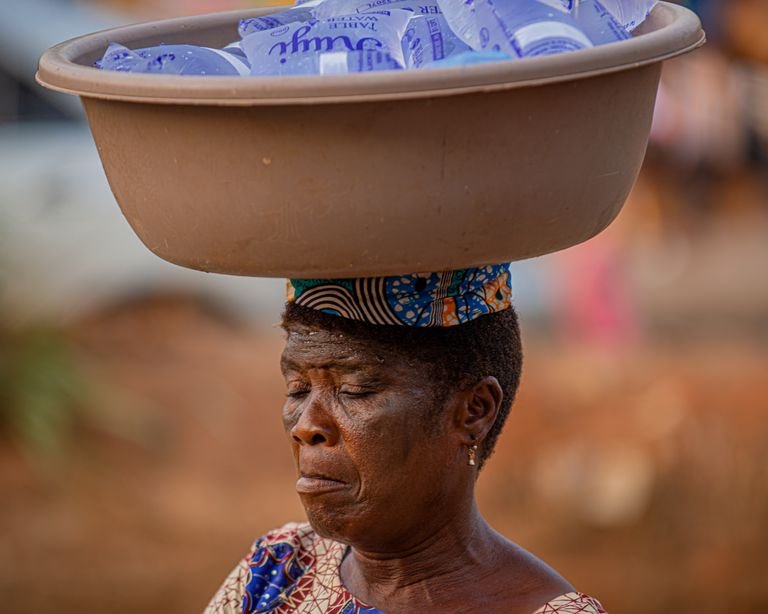
Further inland, in regions like the northern territory of Cacheu where Bigene is located, the primary challenge is the sheer drop in groundwater levels. As traditional sources dry up, the burden falls heavily on local populations, particularly women and children, who must travel increasingly long distances or queue from the early hours of the dawn just to collect a few liters of water from remote, deeper wells.
The World Health Organization Standard: Our Guiding Light
In the face of these climate-driven challenges, Casa Winsan refuses to compromise on quality. True wellness begins with water that is vibrantly healthy, completely safe, and universally accessible. We view safe drinking water not merely as a basic necessity, but as a fundamental human right.
To protect public health against the background of a changing environment, our purification and distribution systems strictly adhere to the rigorous guidelines established by the World Health Organization (WHO). According to the WHO, safe drinking water must be entirely free from:
- Pathogenic Microorganisms: Disease-causing bacteria, viruses, and parasites that multiply rapidly in compromised, stagnant water sources during dry seasons or floods.
- Dangerous Chemicals: Harmful elements such as high nitrate concentrations from agricultural runoff or accumulated heavy metals.
- Radiological Contaminants: Radioactive elements, ensuring complete safety across all measurable parameters.
By implementing advanced, multi-stage filtration and standardized purification treatments, Casa Winsan ensures that every drop of Wedi we distribute remains pure, pristine, and perfectly balanced, remaining unaffected by external environmental degradation.
How Casa Winsan Adapts: Our Sustainable Practices
True resilience requires more than just passive protection; it demands active, forward-thinking adaptation. Casa Winsan has anchored its operations in Bigene rather than the capital city of Bissau precisely to confront these water crises where they matter most, transforming local infrastructure through sustainable practices.
| Focus Area | Core Strategy | Environmental and Community Benefit |
| Deep Aquifer Protection | Utilizing sustainably managed, deep underground sources. | Shields drinking water from surface evaporation and saltwater contamination. |
| Eco-Friendly Distribution | Establishing localized wholesale and community networks. | Drastically reduces transit emissions and eliminates the regional water shortages. |
| Agricultural Integration | Training local farmers in organic, climate-smart farming. | Replaces chemical fertilizers with natural methods, preventing chemical runoff into our water tables. |
| Resource Empowerment | Investing in local human resources and technical training. | Builds local capacity to maintain, monitor, and safeguard water infrastructure for decades. |
By focusing heavily on sustainable agriculture, we create a beautiful, closed-loop ecosystem. Chemical-heavy farming methods degrade the soil, making it less capable of retaining moisture and forcing farmers to use more water.
Organic, agroecological practices, on the other hand, build up the soil’s organic matter, transforming the earth into a natural sponge that stores water efficiently, preserves local biodiversity, and keeps the surrounding water table free from chemical pollutants.
A Return to Origins and Global Solidarity
The establishment of our headquarters in Bigene is a deeply personal journey of gratitude for our founder, Alfredo Sambù. Born in the nearby village of Bambaia and currently practicing as a pharmacist in Vicenza, Italy, Alfredo realized that the survival of our cultural identity and the health of our people are inextricably linked to how we protect our natural resources.
Bigene’s proximity to commercial trade routes with Senegal also allows this sustainable model to shine as a beacon of cross-border environmental cooperation.
Climate change is a global challenge, but the solutions are born locally—deep within the soil, powered by the collective will of a community that remembers the ancient wisdom of treating the earth with reverence. When we protect Wedi, we protect our health, our food security, our economy, and our future.
We invite you to step onto this bridge with us. Whether you are an expert in water management, an advocate for sustainable agriculture, or someone who believes that every human being deserves access to the pure essence of life, your voice and your passion have a home here. Let us preserve the knowledge of the ages and build an abundance of wellness together.
What to join us, support us or work with us? Fill out this form and we will get back to you.