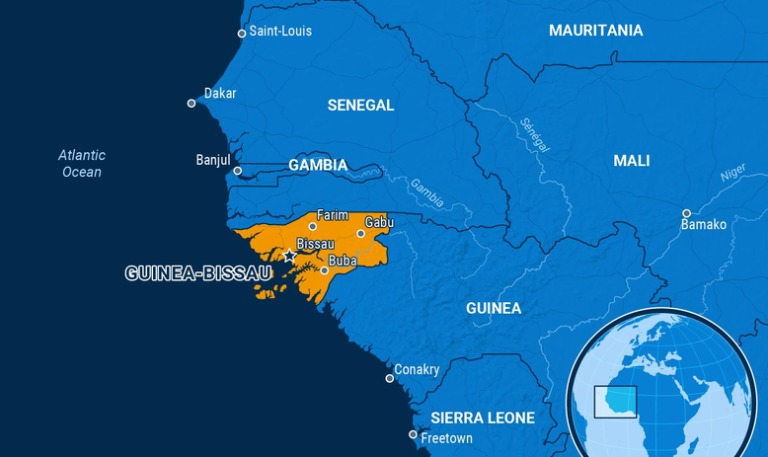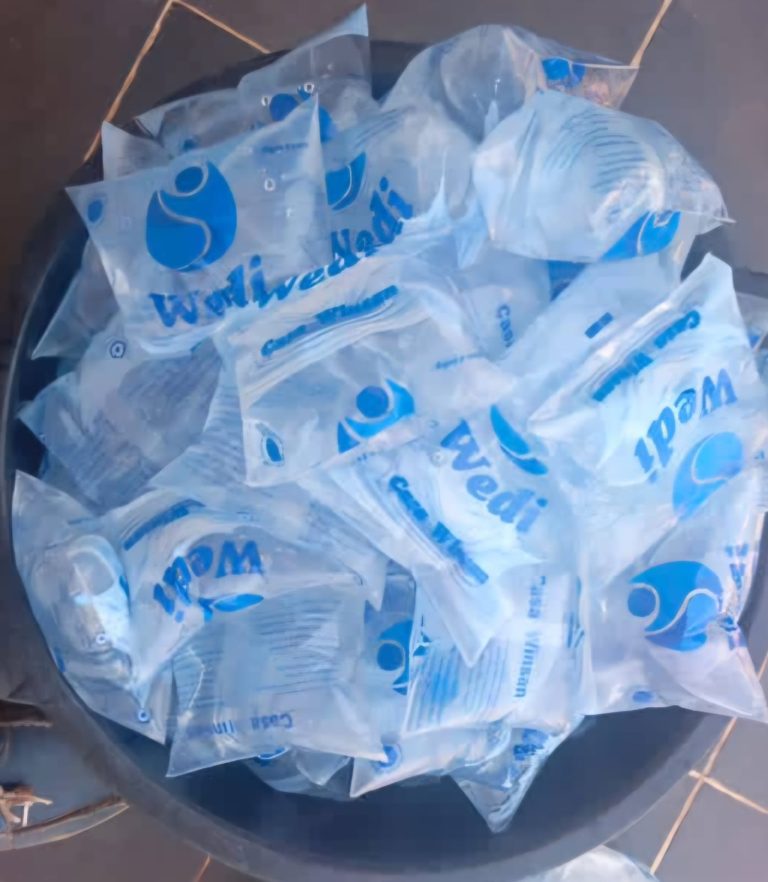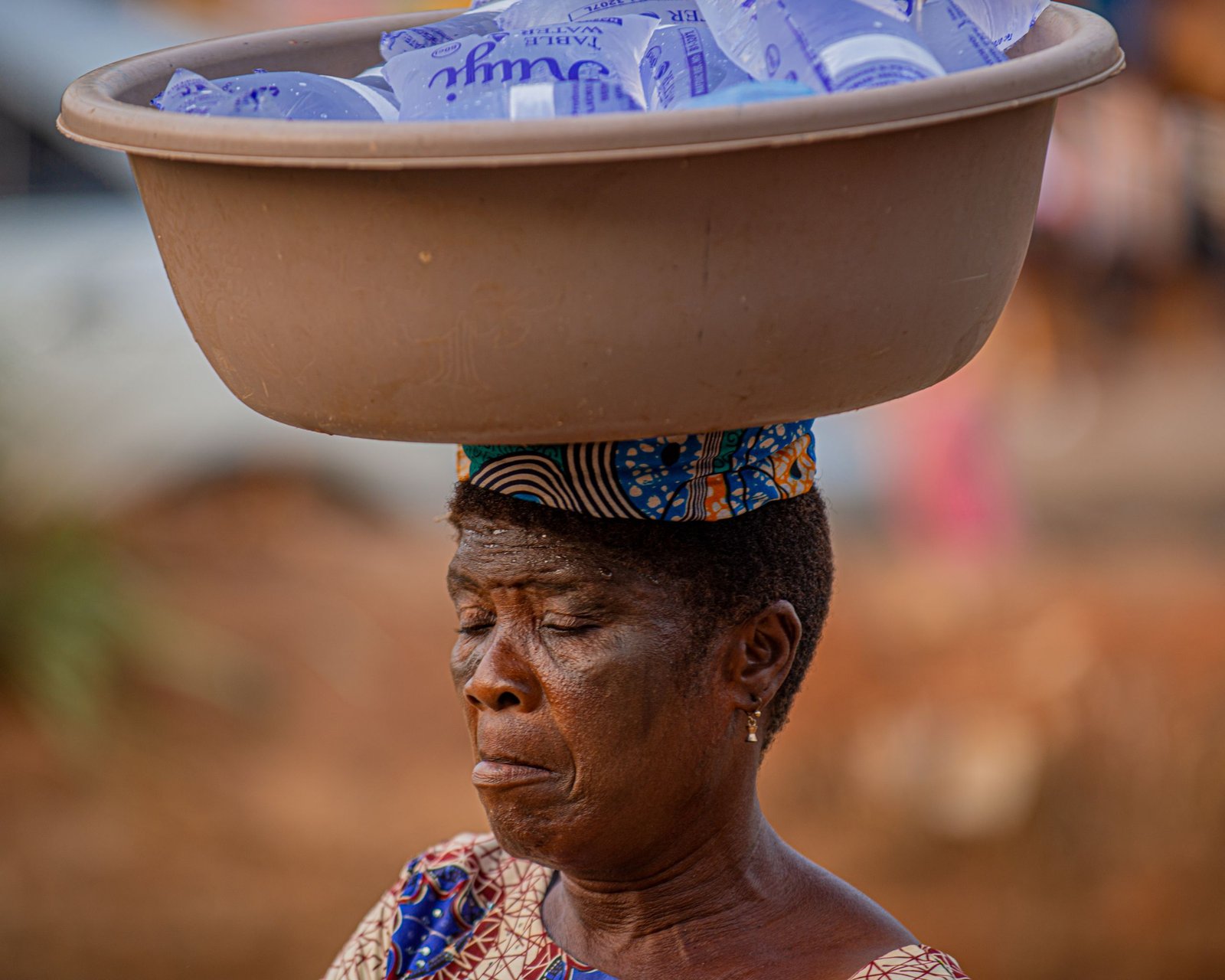
Across West Africa, sachet water, small, heat-sealed plastic pouches filled with purified drinking water, serves as a primary lifeline for millions seeking safe, affordable hydration. In Guinea-Bissau, where hot sun and humid breezes define daily life, these single-use pouches are ubiquitous in bustling open-air markets, roadside stands, and transport hubs. However, traditional petroleum-based plastic sachets create a daunting environmental challenge, cluttering waterways and lingering in soil for centuries.
As environmental awareness grows, green innovations like bio-based polymers offer a hopeful vision: packaging that returns naturally to the Earth. Yet, introducing bio-based polymers into a tropical climate creates a unique scientific puzzle.
When biodegradable packaging meets high temperatures, intense ultraviolet radiation, and soaring humidity, how does it perform? Understanding this intersection between advanced material science and everyday life helps us build sustainable solutions that protect both public health and our natural ecosystems.
The Environmental Reality of Sachet Water
To understand why sustainable packaging matters in Guinea-Bissau, we must first recognize the vital role sachet water plays in public health. Clean drinking water is not merely a daily necessity; as defined by the World Health Organization (WHO), access to safe, reliable water free from pathogenic microorganisms and hazardous chemicals is a fundamental human right.
In regions working to upgrade urban water infrastructure, sachet water fills a critical gap. It offers accessible, treated drinking water that protects families from waterborne illness. But this health benefit comes with an environmental compromise: millions of discarded high-density polyethylene (HDPE) or low-density polyethylene (LDPE) pouches accumulate every day.
Because traditional petroleum plastics resist natural biological decomposition, they remain intact indefinitely, blocking drainage paths, choking soil ecosystems, and disrupting local wildlife. Bioplastics, materials derived from renewable plant starches like corn, cassava, or sugarcane, present a natural alternative. Yet, designing a bio-polymer pouch capable of holding liquid water securely while surviving extreme tropical weather requires overcoming significant technical hurdles.
The Tropical Environment: Stressors on Bio-Polymers
Guinea-Bissau’s tropical climate presents a demanding test environment for plant-based materials. Three primary environmental factors interact to stress biodegradable polymers:
1. High Ambient Temperatures
In the peak dry months, temperatures across Guinea-Bissau regularly rise above 35°C (95°F), with direct sunlight driving surface temperatures higher on asphalt and metal display trays.
- Thermal Softening: Many common bioplastics, such as Polylactic Acid (PLA) or Polyhydroxyalkanoates (PHA), have specific glass transition temperatures (
). When ambient heat approaches or exceeds this threshold, the rigid polymer chains relax, causing the material to soften, stretch, or lose structural integrity.
- Accelerated Reaction Rates: Chemical degradation mechanisms, including hydrolysis, speed up exponentially as temperature increases.
2. High Relative Humidity and Liquid Exposure
During the rainy season, relative humidity often exceeds 80%. When a bioplastic pouch is filled with liquid water on the inside and surrounded by humid air on the outside, water molecules actively interact with the polymer matrix.
- Hydrophilic Affinity: Plant-based biopolymers naturally possess hydroxyl groups that draw in moisture. As water molecules absorb into the polymer chain, they act as plasticizers, softening the material and lowering its tensile strength.
- Permeability and Transpiration: High humidity impairs the barrier performance of bio-polymers, allowing microscopic water vapor exchange that can lead to subtle volume loss or structural weakening over extended shelf life.
3. Intense Ultraviolet (UV) Solar Radiation
Located near the equator, Guinea-Bissau receives intense solar radiation year-round. Vendors often display sachet water outdoors on open trays under direct sun.
- Photodegradation: Shortwave UV-B and UV-A photons strike the chemical bonds of the bioplastic, triggering photo-oxidation. This process cleaves the long-chain polymer backbone into shorter, weaker segments.
- Embrittlement and Micro-cracking: Under continuous sunlight, photo-oxidation causes un-stabilized bioplastics to turn brittle, yellow, and prone to hairline cracks, leading to leaks long before the product reaches the consumer.
Performance Comparison: Bioplastics vs. Traditional Polymers
Material scientists continuously refine bio-based blends to balance real-world durability with environmental biodegradability. The table below outlines how different polymer types respond under tropical exposure:
| Polymer Type | Source | Heat & UV Tolerance | Moisture Barrier | Environmental Breakdown |
| Traditional Polyethylene (LDPE/HDPE) | Petroleum derived | High resistance; degrades slowly under UV | Exceptional water barrier; completely water-insoluble | Persists in the environment for hundreds of years; forms microplastics |
| Pure Thermoplastic Starch (TPS) | Native plant starch (Corn, Cassava) | Low heat tolerance; rapidly softens | High water sensitivity; dissolves or swells in liquid | Complete soil or water biodegradation within weeks |
| Polylactic Acid (PLA) Blends | Fermented plant sugars | Moderate heat tolerance; UV sensitive | Good clarity; moderate moisture barrier | Requires industrial composting conditions ( |
| Polyhydroxyalkanoates (PHA) | Bacterial fermentation | Higher thermal stability; flexible | Strong water resistance; balanced barrier | Fully home-compostable and marine-degradable within months |
Engineering Solutions for Tropical Bioplastics
To make bio-based water sachets viable for tropical distribution, researchers and material engineers employ several targeted strategies:
- Bio-Composite Blending: Combining flexible, moisture-sensitive starch with hydrophobic biopolymers (such as PHA or Polybutylene Succinate) creates a balanced composite that resists water internally while maintaining environmental compostability after disposal.
- Natural Mineral Fillers: Integrating nano-clays or natural calcium carbonate reinforces the polymer matrix, raising its heat deflection temperature and preventing premature stretching under direct heat.
- Organic UV Absorbers: Adding non-toxic, bio-based additives—such as lignin extracts or natural tannins—shields the polymer chains from solar radiation by absorbing UV photons before they cause photodegradation.
- Optimized Cold-Chain and Storage: Shielding sachets from direct sunlight through shaded wooden transport crates or woven palm distribution baskets preserves the integrity of bio-based packaging during transit.
Casa Winsan: Pure Water and Sustainable Vision in Bigene
At Casa Winsan—a core initiative under the Guimeds project founded by pharmacist Alfredo Sambù—we believe that caring for human health and caring for the Earth are deeply interconnected. Rooted in Bigene within the Cacheu Region of Guinea-Bissau, Casa Winsan was established to address critical health challenges by expanding local access to clean, safe drinking water and supporting sustainable organic agriculture.
In the Balanta language natively spoken in Guinea-Bissau, the word for water is Wedi. Water is honored not merely as a commodity, but as a sacred resource essential for human life and thriving ecosystems.
Rather than establishing operations in the capital city of Bissau, Alfredo Sambù returned to his native roots in Bigene to build the Casa Winsan Business Center. This choice reflects personal gratitude to his home village of Bambaia, while strategically positioning the center near commercial trade routes with Senegal to reduce regional water crises and empower local communities.
Casa Winsan adheres strictly to World Health Organization (WHO) safety standards to purify water and deliver safe drinking water to everyone, regardless of social status. By combining modern health standards with traditional wisdom, Casa Winsan supports sustainable economic development, provides resources for local farmers, and works continuously toward ecological solutions that protect our soil and water sources for future generations.
What to join us, support us or work with us? Fill out this form and we will get back to you: https://guimeds.com/work-with-us.