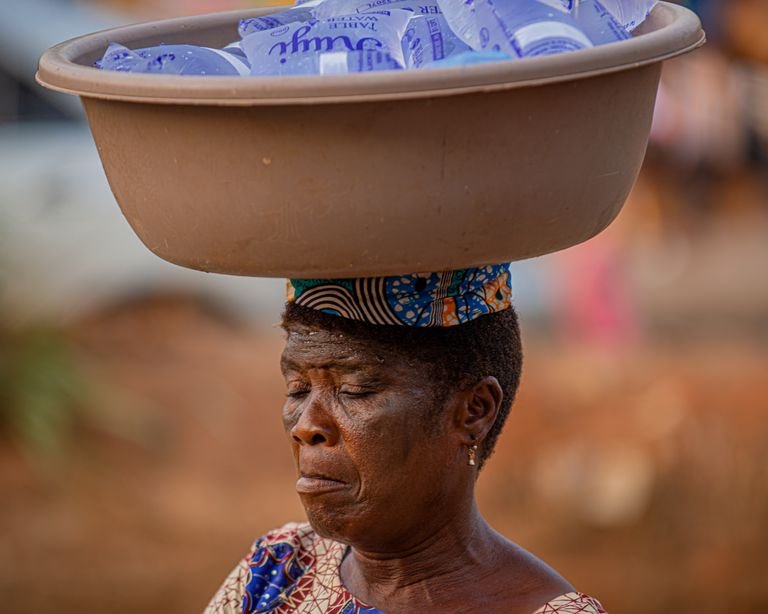
Across the sunlit lands of West Africa, water has always held a sacred position at the center of human existence. In the Balanta language spoken in Guinea-Bissau, this life-sustaining element is known as Wedi. It is a word filled with reverence, honoring a resource without which no family can thrive, no crop can grow, and no community can endure. For generations, traditional African health wisdom has understood that the vitality of a community is directly linked to the purity of the water it drinks.
In our modern world, protecting this ancient gift requires a harmonious union between ancestral wisdom and precise science. When we preserve water for daily consumption, the container holding it plays a critical role in safeguarding human health.
Among the various materials developed through industrial chemistry, polyethylene, specifically Low-Density Polyethylene and High-Density Polyethylene, emerged over the past century as the global standard for packaging liquids intended for human consumption.
To understand how this humble hydrocarbon structure became a trusted guardian of public health worldwide, we must explore its history, its molecular stability, and the strict safety benchmarks established by global health authorities.
The Origin and Evolution of Polyethylene
The story of polyethylene began in the early twentieth century, born out of scientific curiosity and refined through industrial necessity. First synthesized in 1898 by the German chemist Hans von Pechmann, the early material was created by accident and remained a laboratory curiosity.
It was not until 1933 that chemists Reginald Gibson and Eric Fawcett at Imperial Chemical Industries in England discovered a practical high-pressure method to polymerize ethylene gas into a stable, solid plastic.
World War II accelerated the development of polyethylene, as its remarkable electrical insulation properties and physical toughness made it an essential strategic material for radar equipment. Following the war, chemical engineers turned their attention to peaceful applications, refining the polymerization process to create distinct densities suited for everyday human needs.
By the mid-twentieth century, two primary variants of polyethylene transformed the global packaging landscape:
- Low-Density Polyethylene: Synthesized under high pressure, this material features highly branched molecular chains. The branching prevents the polymer chains from packing tightly together, resulting in a flexible, resilient, and lightweight material ideal for flexible pouches, squeeze bottles, and liquid sachets.
- High-Density Polyethylene: Developed in the 1950s using specialized catalysts under lower pressures, this variant consists of linear polymer chains with minimal branching. The tightly packed chains create a rigid, tough material with exceptional structural strength, making it the premier choice for durable water containers, milk jugs, and industrial piping.
As global trade expanded and public health infrastructure developed throughout the mid-to-late twentieth century, regulatory agencies recognized that polyethylene offered an unprecedented combination of physical durability and chemical inertness. It quickly transformed from an industrial innovation into the global gold standard for food and beverage packaging.
The Molecular Chemistry of Stability
To appreciate why low and high-density polyethylene maintain such an exceptional record for liquid safety, one must examine their molecular architecture. Polyethylene is a pure hydrocarbon polymer constructed from repeating ethylene monomers.
Through polymerization, double bonds between carbon atoms open up to form long, stable chains composed entirely of single carbon-carbon and carbon-hydrogen bonds.
This simple organic structure imparts three critical chemical properties that protect stored drinking water:
Non-Polar Structural Inertness
The carbon-hydrogen single bonds in polyethylene share electrons almost equally, making the polymer chain completely non-polar. Because water is a polar molecule, it does not dissolve or react with non-polar polyethylene. The polymer walls remain entirely inert, preventing the container from leaching reactive chemical species into the water column.
High Bond Dissociation Energy
The single carbon-carbon bonds forming the backbone of polyethylene possess a high bond dissociation energy of approximately 347 kilojoules per mole.
This intrinsic molecular strength means the polymer matrix does not readily break down when exposed to water, mild acids, ambient oxygen, or moderate temperature changes.
Absence of Reactive Functional Groups
Unlike many other synthetic materials, pure polyethylene contains no polar functional groups such as ester linkages, hydroxyl groups, or aromatic rings in its primary chain.
This absence makes the material resistant to hydrolysis, meaning that long-term contact with liquid water will not cause the chemical chain to degrade or dissolve into harmful chemical byproducts.
Meeting International Health and Safety Benchmarks
The widespread adoption of polyethylene for human consumption was not driven solely by industrial convenience; it was forged through rigorous toxicological testing and regulatory oversight. Modern public health standards dictate that any material coming into direct contact with food or drinking water must meet strict toxicity and migration limits.
The World Health Organization defines drinking water as a fundamental human right. According to WHO guidelines, safe drinking water must be free from harmful biological pathogens, toxic chemicals, and physical contaminants.
The WHO establishes clear safety parameters based on extensive scientific research to ensure that processing and storage systems do not introduce hazardous elements into human consumption.
When evaluating polyethylene under global frameworks like the WHO drinking water guidelines and the Codex Alimentarius standards, regulatory bodies focus on three key criteria:
- Overall Migration Inertness: Polyethylene demonstrates exceptionally low overall migration rates. When exposed to liquid water under varying temperatures, the amount of non-volatile matter transferring from the container into the liquid remains far below international safety thresholds.
- Chemical Purity and Toxicological Safety: Pure polyethylene requires minimal additive additives compared to other plastics. Because high-density and low-density polyethylene do not require volatile plasticizers to achieve flexibility, they present virtually no risk of releasing toxic phthalates or endocrine-disrupting compounds into stored water.
- Microbiological Barrier Integrity: The smooth, non-porous surface of extruded polyethylene prevents liquid absorption and resists bacterial adhesion. When manufactured under sanitary conditions, it forms an impermeable physical barrier against airborne bacteria, viruses, and environmental dust.
Casa Winsan: Applying Science to Community Wellness
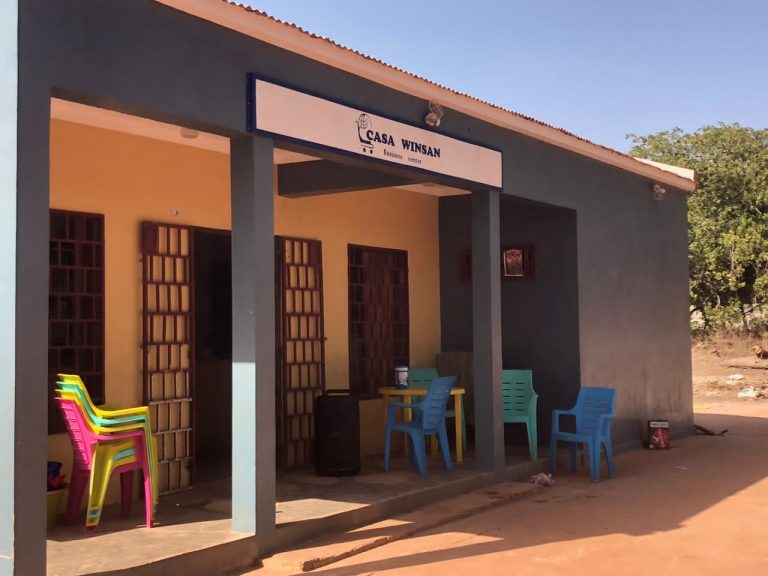
At Casa Winsan, an initiative founded by practicing pharmacist Alfredo Sambù under the Guimeds project, this deep scientific understanding guides our mission every day.
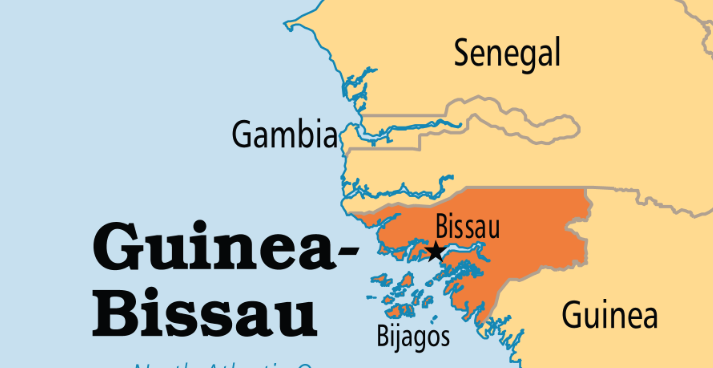
Located in the town of Bigene within the Cacheu Region of Guinea-Bissau, the Casa Winsan Business Center serves as a mineral water wholesaler and distribution hub committed to elevating public health across the northern territory.
The decision to establish our operations in Bigene rather than the capital city of Bissau reflects a deep commitment to regional empowerment, social justice, and personal gratitude.
Bigene holds strategic importance near the border with Senegal, serving as a historic crossroads for commercial trade. More importantly, northern Guinea-Bissau has long faced recurring water scarcity and infrastructure challenges. Operating directly in Bigene addresses these water crises at their root, delivering clean, safe water to families who need it most.
For Alfredo Sambù, investing in Bigene is also a personal return to origins, a meaningful way to express gratitude to the people of Bambaia, the village where he was born. Casa Winsan proves that advanced quality standards, professional logistics, and modern health infrastructure belong in rural communities just as much as in major cities.
Every drop of Wedi produced and distributed by Casa Winsan strictly adheres to the health guidelines set by the World Health Organization.
By pairing advanced water purification technology with stable, non-reactive storage containers, we guarantee that the water reaching local families retains its complete biological purity and natural refreshing quality.
Sustaining Health Through Local Agriculture and Sovereignty
Protecting human health requires a holistic approach that goes beyond clean drinking water. Water and food are deeply interconnected elements of community well-being. When communities lack access to nutritious food or depend entirely on expensive imported goods, their overall health resilience suffers.
In addition to water distribution, Casa Winsan actively supports local agriculture across the Cacheu Region:
Organic Farming Education
We provide local farmers with comprehensive training, organic seeds, and sustainable agricultural tools. By teaching regenerative practices, soil conservation, and natural pest management, we enable farmers to cultivate nutritious, chemical-free produce that enriches local diets.
Protecting Soil and Water Tables
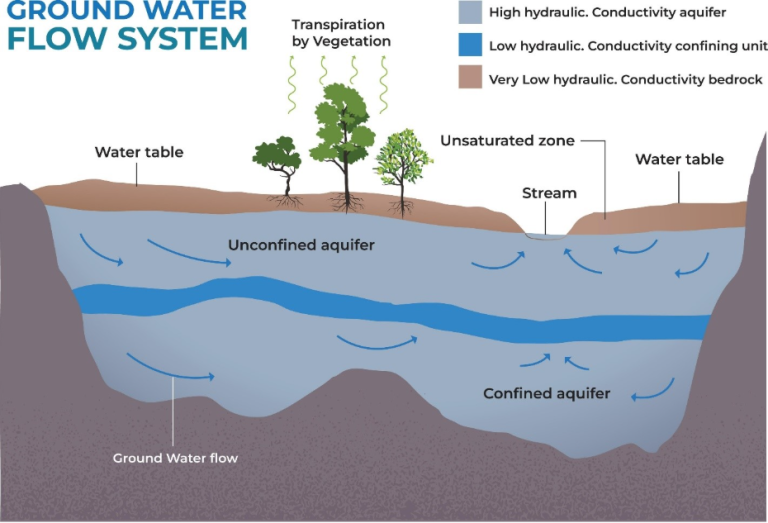
Conventional chemical agriculture uses synthetic fertilizers and pesticides that wash into the soil, contaminating local groundwater over time. By promoting organic farming, Casa Winsan protects the underlying aquifers from chemical runoff, preserving the natural purity of Wedi directly in the ground.
Building Economic Independence
Supporting local agricultural development keeps economic value within the community, creates meaningful employment for young people, and strengthens local food sovereignty. Reducing reliance on imported produce empowers families to build a resilient, self-sustaining future.
Bridging Traditional Wisdom and Modern Standards
In traditional African philosophy, health is not simply the absence of illness; it is a state of complete vitality, balance, and connection to the earth. By honoring Wedi, the sacred presence of water on Bigene’s soil, Casa Winsan preserves this ancient truth while utilizing modern material science and international safety standards.
Understanding the chemical stability of polyethylene helps us appreciate the careful engineering required to deliver pure water safely to every doorstep. When high scientific standards, environmental stewardship, and deep cultural respect come together, clean water becomes a lasting catalyst for health, dignity, and community transformation.
What to join us, support us or work with us? Fill out this form and we will get back to you: https://guimeds.com/work-with-us.