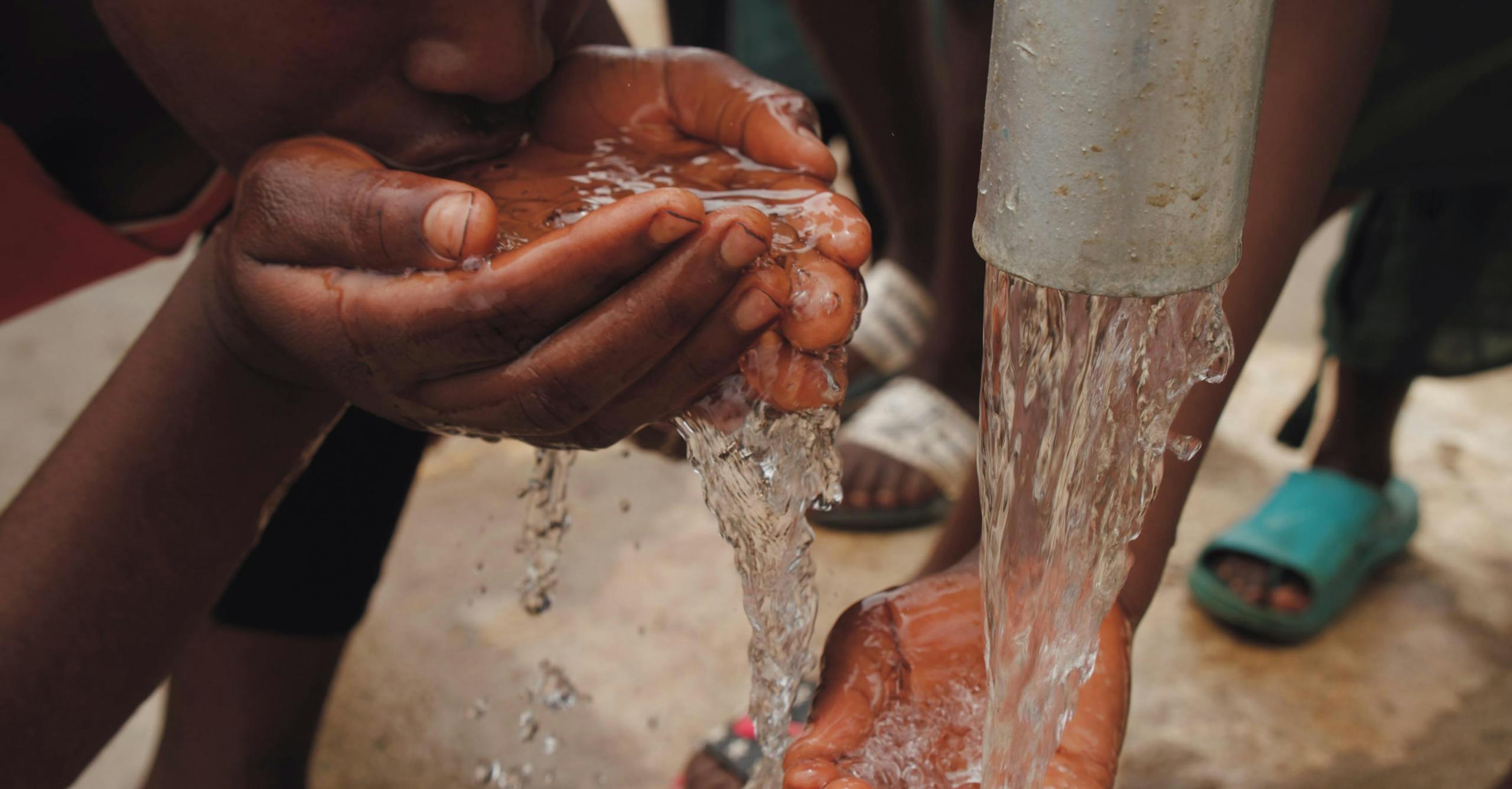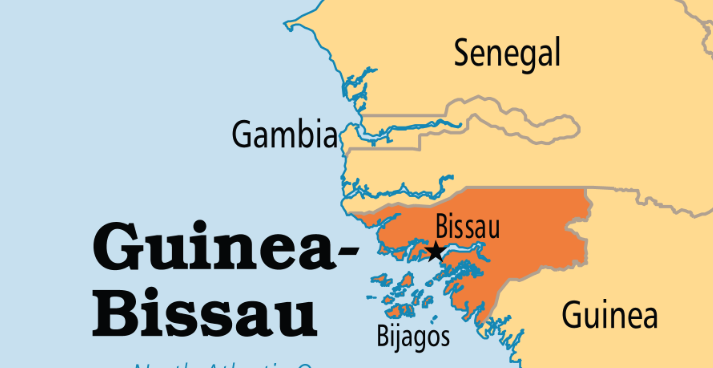
In the quiet landscapes of Guinea-Bissau, the natural world moves with an enduring rhythm. For generations, traditional African health practices have recognized that true human vitality flows directly from the purity of our natural elements. In the Balanta language, one of the foundational cultural languages of Guinea-Bissau, water is known as Wedi. It is not merely a physical compound; Wedi represents the sacred source of life, an essential gift that sustains every family, nourishes every seed, and anchors the well-being of the entire community.
As a practicing pharmacist raised in the village of Bambaia and educated in the clinical sciences in Vicenza, Italy, I have spent my life walking between two worlds. I see the profound alignment between generational ancestral wisdom and modern biochemical science. Both systems agree on a fundamental truth: the vessel that holds our water must be as pure as the liquid itself.
Today, as flexible packaging, bio-based containers, and synthetic polymers become widespread across West Africa and the global south, we face a critical public health question.
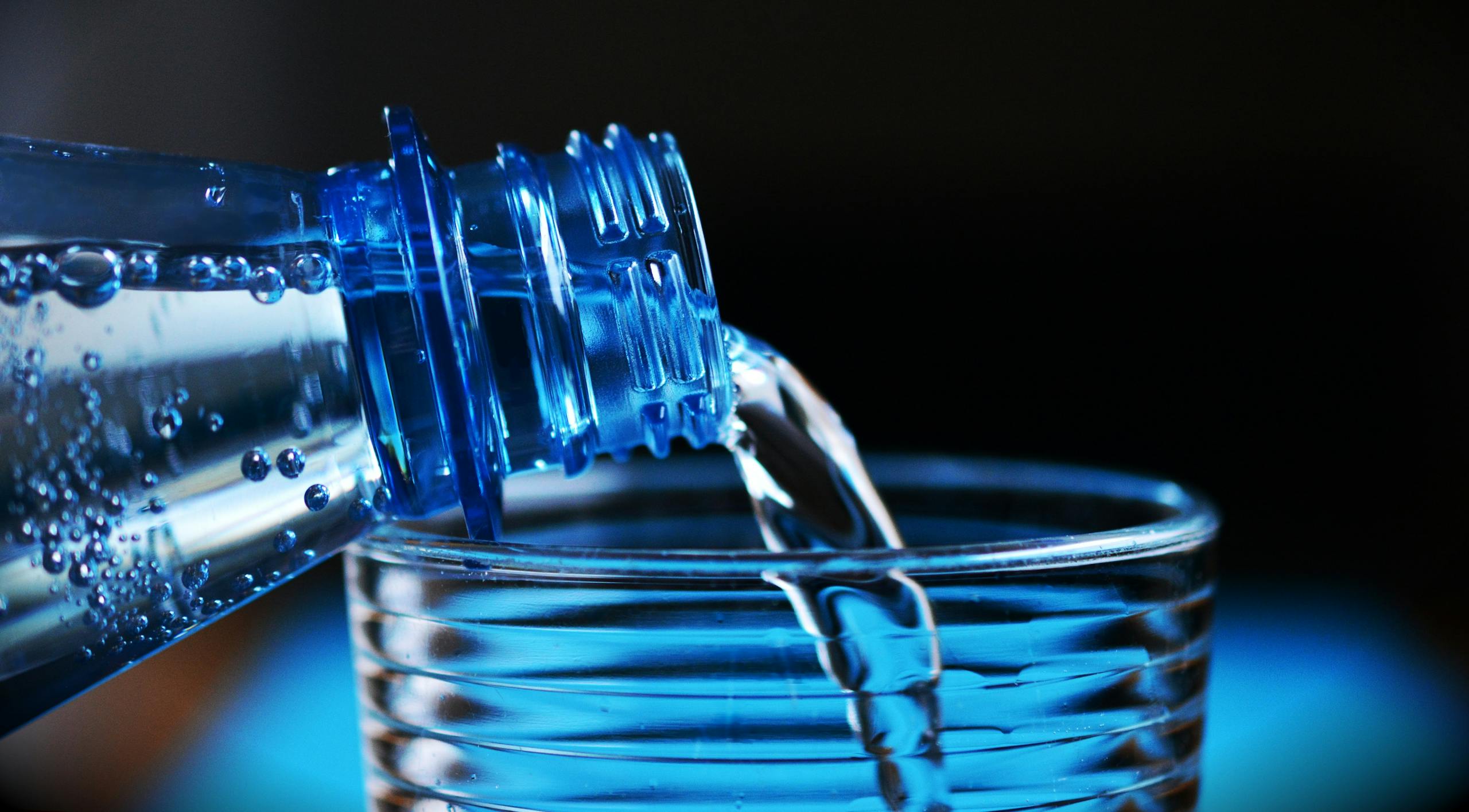
What happens when the material enclosing our drinking water interacts with the fluid inside? To safeguard the health of our communities, we must explore the scientific phenomenon of chemical migration, examining how substances move from packaging into our drinking water and how strict international standards protect every drop of Wedi.
What Is Chemical Migration?
Chemical migration refers to the physical and chemical process by which low-molecular-weight substances transfer from a packaging material into a contained liquid or food product.
Water is famously known in chemistry as the universal solvent. Its polar molecular structure allows it to dissolve, suspend, and interact with a vast array of organic and inorganic compounds.
When water is held within a synthetic or bio-based container, it remains in continuous contact with the inner walls of the vessel. Over time, diffuse molecules within the polymer matrix can detach and migrate into the water column.
This process is governed by fundamental thermodynamic principles, including concentration gradients, ambient storage temperatures, contact duration, and the specific chemical structure of the polymer itself.
In the context of drinking water packaging, migration typically involves three primary categories of chemical substances:
- Residual Monomers: Unreacted building blocks that failed to form complete polymer chains during the manufacturing process.
- Intentionally Added Additives: Compounds such as plasticizers, thermal stabilizers, antioxidants, ultraviolet absorbers, and slip agents added to give the material flexibility, durability, or heat-sealing capabilities.
- Non-Intentionally Added Substances: Degradation byproducts, reaction intermediates, or trace impurities formed when heat, light, or mechanical stress breaks down polymer chains during processing or storage.
Examining Bio-Based and Biodegradable Polymers
As the world seeks alternatives to traditional petroleum-derived plastics, bio-based and compostable materials, such as Polylactic Acid, Polyhydroxyalkanoates, and Polybutylene Adipate Terephthalate, have emerged as promising solutions.
These materials offer significant environmental advantages, but from a pharmacological and material science perspective, they introduce distinct chemical migration profiles that require careful monitoring.
Polylactic Acid and Lactic Acid Monomers
Polylactic Acid is derived from fermented plant starches, such as cassava, sugarcane, or corn. Its structure consists of repeating units of lactic acid linked by ester bonds. Under normal storage conditions, especially in warm climates, moisture within the water container can initiate slow ester hydrolysis.
This reaction breaks long polymer chains into shorter lactic acid oligomers and free lactic acid monomers. While lactic acid is a natural metabolite in the human body, uncontrolled hydrolysis alters the taste, acidity, and overall chemical balance of the drinking water.
Polyhydroxyalkanoates and Microbial Residues
Polyhydroxyalkanoates are natural polyesters synthesized directly by living bacteria as cellular energy storage. Because these polymers are harvested from biological fermentations, potential migration concerns focus on trace microbial residues, biological fatty acids, and natural degradation intermediates.
Ensuring that these bio-derived polymers undergo thorough purification before coming into contact with drinking water is essential to prevent microscopic organic matter from migrating into the supply.
Co-Polyesters and Functional Additives
Flexible bio-based materials often incorporate co-polyesters like Polybutylene Adipate Terephthalate to provide the elasticity needed for liquid packaging. Because these materials feature lower glass transition temperatures and higher chain mobility, low-molecular-weight plasticizers and thermal stabilizers can move more freely through the polymer matrix.
If these additives are not tightly bound within the molecular network, high ambient temperatures can accelerate their diffusion directly into stored water.
The Health Standards of the World Health Organization and Codex Alimentarius
To protect public health from the risks of chemical leaching, international health bodies have established rigorous regulatory frameworks grounded in empirical science.
The World Health Organization establishes global Guidelines for Drinking-water Quality. According to the WHO, safe drinking water must be free from biological pathogens, toxic heavy metals, synthetic organic chemicals, and harmful radiological agents.
The WHO sets strict health-based guideline values—representing the maximum concentration of a chemical constituent that does not result in any significant risk to health over a lifetime of consumption.
Working alongside the WHO, the Codex Alimentarius Commission establishes international food and packaging safety standards. These guidelines govern materials coming into direct contact with food and water, enforcing two critical migration limits:
- Overall Migration Limit: The maximum allowable total amount of non-volatile substances that can leach from a packaging material into a food or liquid stimulant, measuring the overall chemical inertness of the vessel.
- Specific Migration Limit: A precise maximum limit set for individual chemical substances—such as specific additives, heavy metal catalysts, or monomers—based on toxicological data and acceptable daily intake calculations.
These standards ensure that regardless of whether a packaging material is derived from petroleum or renewable plant sources, it must demonstrate complete chemical stability and biological safety before it can hold drinking water for human consumption.
Casa Winsan: Purity, Quality, and Community Development
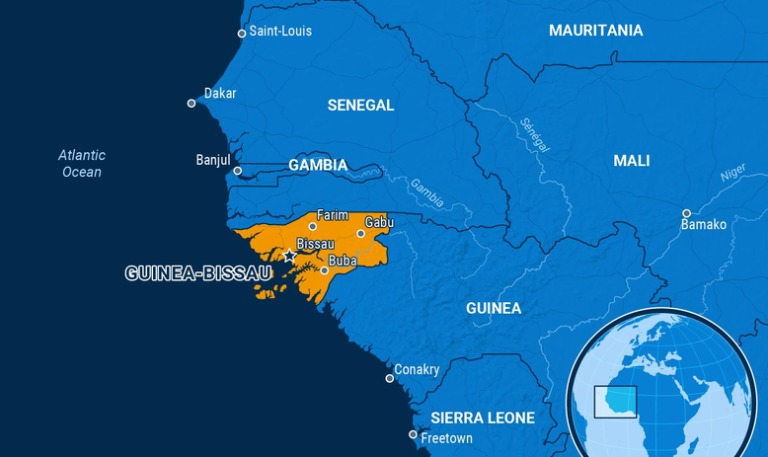
At Casa Winsan, located in the town of Bigene within the Cacheu Region of Guinea-Bissau, our work is guided by an unwavering commitment to these international health standards.
Casa Winsan was founded as part of the Guimeds initiative to address critical health and wellness challenges by delivering safe, reliable water distribution systems and supporting sustainable local agriculture across the region.
The decision to establish our operations in Bigene rather than the capital city of Bissau was deeply intentional. It represents a return to origins and a profound expression of personal gratitude to the people of Bambaia, the village where I was born.
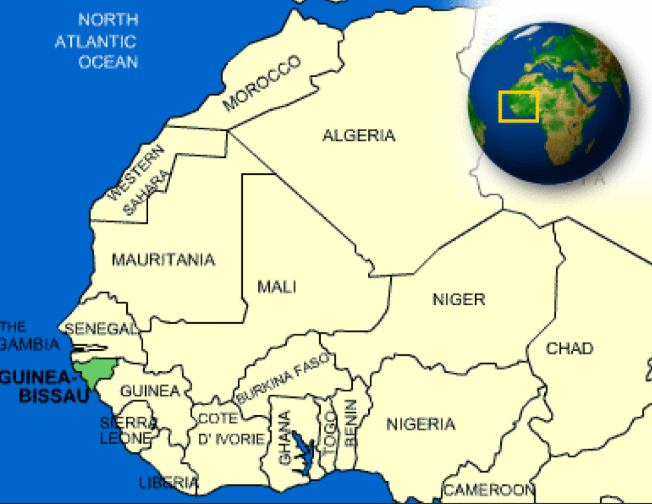
Bigene occupies a strategic geographic position near the border with Senegal, serving as a historic crossroad for regional commerce.
By placing our production headquarters directly in Bigene, we address long-standing water vulnerabilities across northern Guinea-Bissau at their source, providing clean water to every family regardless of social status.
Every step of our purification process strictly adheres to the parameters defined by the World Health Organization. We view water purification not merely as a commercial enterprise, but as a sacred trust.
By maintaining rigorous quality control over our filtration systems and storage vessels, we guarantee that the water we distribute remains entirely pure, refreshing, and free from chemical contamination.
A Holistic Vision for Health and Local Agriculture
Purity in a water bottle is only one part of a complete wellness ecosystem. True human health requires an abundance of nourishment, clean soil, and community empowerment.
Alongside pure water distribution, Casa Winsan actively supports local agriculture across the Cacheu Region. We empower local farmers with practical training, organic seeds, and sustainable farming tools.
By teaching regenerative agricultural methods, we help farmers grow nutrient-dense, chemical-free produce without relying on toxic synthetic pesticides or artificial fertilizers.
This integrated approach creates a positive cycle for the environment and the economy. Protecting the soil from agricultural chemicals keeps the underlying water table pure and unpolluted. At the same time, increasing local food production reduces dependence on expensive imported goods, builds food sovereignty, and creates meaningful employment for youth and families across northern Guinea-Bissau.
Honoring Tradition Through Modern Excellence
In the traditional wisdom of West Africa, health is viewed as a state of complete harmony between the human body, the community, and the earth. Water (Wedi) sits at the very center of this harmony.
By applying modern pharmaceutical rigor, polymer science, and WHO safety standards to our work in Bigene, Casa Winsan honors this ancient heritage. We demonstrate that advanced health standards and traditional African wisdom are not opposing forces, but powerful partners in building a healthier, more resilient future.
When we protect the purity of our water from chemical migration and restore the health of our soil, we ensure that the gift of life flows freely for generations to come.
What to join us, support us or work with us? Fill out this form and we will get back to you: https://guimeds.com/work-with-us