In the living cultural fabric of West Africa, memory and daily action are bound by an unspoken pact with nature. Long before environmental science defined ecological balance in terms of carbon cycles and polymer life spans, the elders of Guinea-Bissau taught that the earth is not a passive object to be consumed, but an ancestral partner.
In the Balanta language, one of the primary ethnic tongues of Guinea-Bissau, pure water is celebrated as Wedi. It is an ancient word that breathes reverence into a fundamental truth: water is an irreplaceable gift that animates the soil, protects human vitality, and binds the welfare of every living creature. To guard the purity of Wedi is to protect life itself.
Today, this age-old wisdom faces one of its most severe modern trials. Across Sub-Saharan Africa, urban expansion, shifting consumption patterns, and the rise of synthetic materials have unleashed a wave of plastic waste.
Discarded packaging clogs urban stormwater drains, litters communal pastures, and threatens fragile coastal estuaries. Yet, the story of Africa’s encounter with plastic pollution is far from a tale of passive endurance.
Across the continent, visionary nations and local communities are pioneering sophisticated, integrated waste management models that prove environmental restoration is possible when modern governance aligns with communal solidarity.
From the clean streets of Kigali to grassroots circular initiatives in East Africa and decentralized water programs in West Africa, Sub-Saharan Africa offers practical, battle-tested strategies against plastic pollution.
These experiences demonstrate that lasting environmental progress relies not on simplistic bans alone, but on building strong, community-rooted municipal systems that safeguard both nature and human well-being.
The Real Scope of the Challenge: Beyond Mere Legislation
For more than a decade, African governments have stood at the global forefront of legislative action against plastic waste. More than thirty nations across the continent have instituted bans or heavy taxes on single-use carrier bags and packaging films.
However, the operational reality on the ground has delivered a vital lesson: passing a decree is merely the first step. Without effective municipal infrastructure, dedicated collection networks, and accessible alternatives, blanket prohibitions often push waste management into informal, unregulated channels.
In many rapidly growing cities, municipal authorities collect less than half of the solid waste generated each day. The uncollected remainder inevitably settles in open fields, gets incinerated in residential backyards, or washes into river systems during torrential monsoons.
When plastic bags and microplastics decompose under intense tropical sunlight, they release toxic additives into the earth, compromising the surrounding groundwater tables.
Furthermore, plastic waste directly compounds public health emergencies. Clogged drainage channels create stagnant, artificial pools where mosquitoes breed, driving spikes in malaria.
During seasonal flooding, drainage blockages cause sewage to back up into drinking wells, spreading life-threatening waterborne pathogens like cholera and dysentery. The fight against plastic pollution is therefore not merely an aesthetic pursuit; it is a critical frontline defense of public health.
The Rwandan Model: Community Stewardship and Institutional Rigor
Among the most renowned urban transformations on the continent is that of Rwanda. In 2008, the country enacted a historic ban on polyethylene carrier bags, subsequently expanding the law to encompass broad categories of single-use plastics.
Yet international observers often overlook the true engine behind Kigali’s immaculate streets: the legislation succeeded because it was integrated into deep cultural traditions and meticulous urban logistics.
Rwanda anchored its ecological policy in Umuganda, a traditional practice of mutual community service. On the last Saturday of every month, citizens across the country gather to clear public spaces, clean neighborhood drainage canals, and collect discarded waste. This cultural bedrock transforms municipal cleanliness from an external government mandate into a shared civic honor.
Complementing this communal dedication is an organized collection and sorting infrastructure. Private collection operators are integrated into structured municipal zones, ensuring that commercial hubs and residential sectors enjoy predictable, scheduled waste pick-up.
By coupling strict regulatory enforcement with organized sorting hubs and indigenous cultural mobilization, Rwanda proved that clean cities are created through community participation and reliable public services working hand in hand.
East Africa’s Circular Pivot: Formalizing the Value Chain
In Kenya and South Africa, the strategy has evolved toward building resilient circular economic frameworks. Following Kenya’s landmark 2017 legislation curbing single-use plastic carrier bags, policymakers recognized that plastic bottles and industrial packaging still demanded a structural solution.
The response was the development of Extended Producer Responsibility (EPR) regulations and dedicated recycling alliances.
Under these frameworks, consumer goods manufacturers and packaging importers are held legally and financially accountable for the entire lifecycle of their containers. Instead of treating municipal waste collection as an unending taxpayer burden, EPR policies incentivize the establishment of regional recovery facilities.
Critically, these systems have begun to formalize the role of informal waste pickers. For decades, marginalized individuals sorted recyclable plastics from open landfills under hazardous conditions.
Modern initiatives have organized these workers into recognized cooperatives equipped with protective gear, fair-wage compensation, and direct access to industrial shredding and pelletizing plants.
By viewing waste as an industrial resource rather than disposable refuse, these programs divert thousands of tons of high-density polymers from landfills while creating dignifying, stable employment.
The Public Health Imperative: Safeguarding Water as a Human Right
As African nations design these comprehensive waste systems, they must navigate a delicate, non-negotiable reality: the preservation of human health through safe drinking water. According to the World Health Organization (WHO), access to safe drinking water is a fundamental human right essential to life, health, and dignity.
The WHO defines safe water as water that is completely free from pathogenic microorganisms, such as harmful bacteria, viruses, and parasites, as well as dangerous chemical pollutants like nitrates and heavy metals.
Safe water must meet rigorous, science-based parameters and be delivered in adequate quantities to ensure zero risk to human health across its entire supply chain.
In regions where centralized piped municipal infrastructure is developing or vulnerable to seasonal contamination, protective packaging, including sealed bottles and hygienic dispensers, serves as an indispensable sanitary barrier.
When unmanaged bans eliminate protective packaging without first establishing safe municipal taps, vulnerable communities are often forced to drink from unprotected rivers and open shallow wells. The resulting outbreaks of waterborne illness undermine the very development that environmental policies seek to foster.
True ecological progress never forces a community to choose between an unpolluted landscape and clean drinking water. Modern waste management must protect the ecosystem while vigorously upholding the WHO standards for human hydration.
The Casa Winsan Vision: Rooted Action in Bigene
Demonstrating that modern health standards, environmental stewardship, and ancestral wisdom can unite seamlessly is the guiding mission of Casa Winsan. Founded under the Guimeds initiative by Alfredo Sambù, a practicing pharmacist in Vicenza, Italy, originally from Guinea-Bissau, Casa Winsan represents a transformative bridge between the pharmaceutical rigor of contemporary healthcare and an authentic passion for African wellness and traditional medicine.
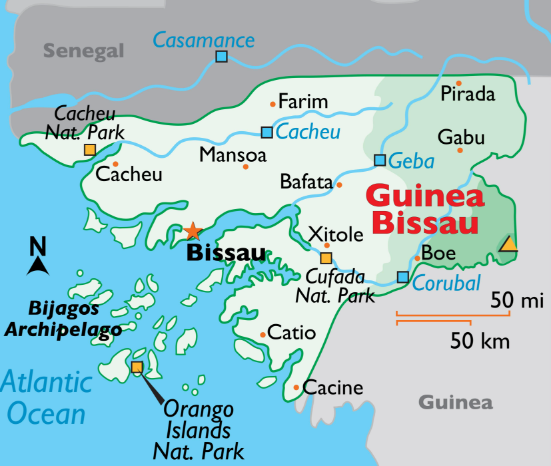
The Casa Winsan Business Center was intentionally established in Bigene, located within the Cacheu Region of northern Guinea-Bissau. The decision to invest in Bigene rather than the bustling capital of Bissau was driven by clear, profound principles:
- A Return to Origins and Personal Gratitude: Establishing this headquarters is a heartfelt gesture of thanksgiving to the people of Bambaia, the ancestral village where Alfredo Sambù was born.
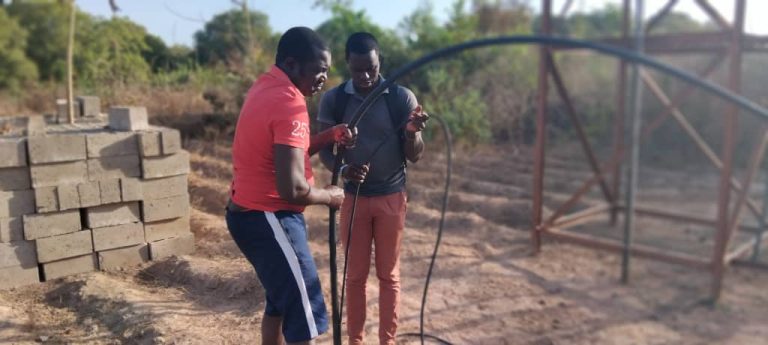
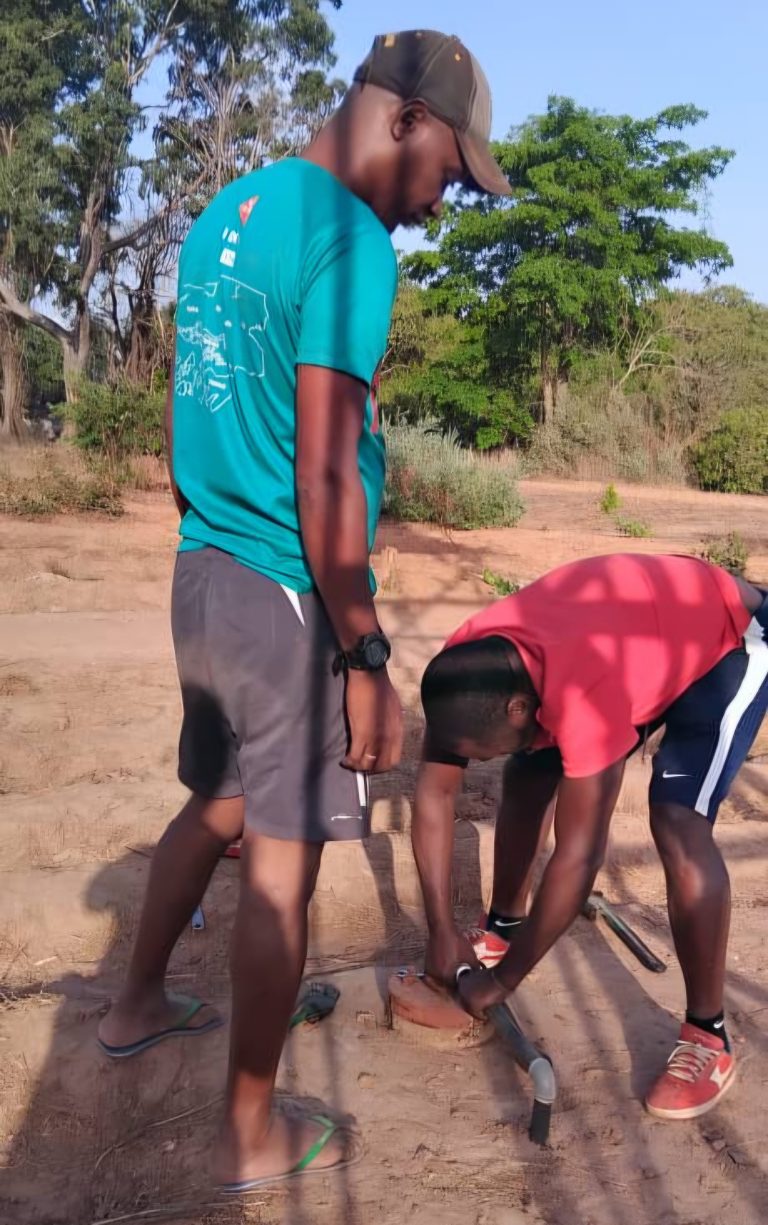
- Direct Transformation of Life: Northern Guinea-Bissau has long endured severe seasonal water shortages. Establishing a world-class water production and distribution center in Bigene directly resolves frequent regional water crises, bringing lasting health security to families across the province.
- Strategic Cross-Border Commerce: Bigene’s geographic proximity to Senegal enables positive commercial exchange, allowing pure, verified wellness solutions to reach across borders.
At the core of Casa Winsan is the production of pure, life-affirming water honored by the Balanta name Wedi. Purified strictly according to the microbiological and chemical parameters defined by the World Health Organization, Wedi is made accessible to all members of society, regardless of social status.
Through standardized treatment, rigorous testing, and continuous oversight, Casa Winsan guarantees that every drop consumed is safe, pure, and life-giving.
A Holistic Blueprint for Sustainable Growth
Casa Winsan understands that clean water and a clean environment are inextricably linked to sustainable local agriculture. The project actively empowers local farmers across Bigene and surrounding districts with hands-on training and organic agricultural resources.
By teaching sustainable soil management and organic cultivation methods, Casa Winsan helps farmers produce rich, chemical-free harvests without resorting to toxic pesticides or synthetic fertilizers that leach into the underlying water table.
This integrated approach reduces dependence on expensive, heavily packaged imported foods, strengthens regional food security, and fosters local economic independence. Waste is minimized at the source by promoting durable, reusable distribution models and respecting the surrounding natural ecology.
Building the Future of African Waste Management
The experiences of Sub-Saharan Africa demonstrate that the path forward cannot rely on simplistic, fragmented remedies. Real change is forged through an integrated strategy built upon three fundamental pillars:
First, legislation must be matched with infrastructure. Banning problematic materials is ineffective without convenient collection stations, neighborhood waste sorting facilities, and municipal trucks that arrive on schedule.
Second, the circular economy must be made inclusive. Organizing and compensating local collection networks dignifies community labor while securing a steady stream of clean materials for domestic remanufacturing.
Third, health and environmental preservation must remain indivisible partners. Safe drinking water, processed according to the highest World Health Organization standards, must be protected at all costs, ensuring that zero environmental policy compromises a family’s access to disease-free hydration.
By uniting the time-tested wisdom of our ancestors with modern scientific diligence, we can clean our streets, restore our soils, and ensure that Wedi flows safely into every household. We preserve the earth not out of fear, but out of profound love for the communities that call it home, building an enduring state of balance and an abundance of wellness for generations to come.
What to join us, support us or work with us? Fill out this form and we will get back to you: https://guimeds.com/work-with-us