In our shared journey toward environmental harmony, humanity stands at a promising crossroads. For decades, synthetic petroleum-based plastics have provided convenience at a heavy cost to our ecosystems, leaving long-lasting waste across forests, rivers, and oceans. In response, modern material science offers an inspiring alternative rooted in nature: bioplastics and biodegradable polymers derived from renewable plant starches like corn, cassava, and sugarcane.
These eco-friendly bio-materials carry immense potential, promising to serve our daily needs and then return harmlessly to the earth. However, when fashioned into thin flexible pouches—such as sachet water bags distributed under the tropical sun—a fundamental vulnerability emerges.
High-energy ultraviolet (UV) radiation from sunlight strikes the chemical bonds of bio-polymers, initiating a process known as photodegradation. Understanding this interaction reveals why sun exposure represents the ultimate vulnerability for bio-based water sachets, and how innovative science can protect both package integrity and water quality.
The Science of Photodegradation in Bio-Materials
Photodegradation is a chemical process wherein high-energy light photons disrupt the internal structure of a material. To understand why bioplastics are particularly susceptible, we must look closely at their molecular makeup.
Synthetic polymers like traditional polyethylene consist of long, repeating carbon-carbon chains engineered to resist solar radiation for years. Bioplastics, such as Polylactic Acid (PLA), Polyhydroxyalkanoates (PHA), or thermoplastic starch blends, contain ester linkages, hydroxyl groups, and carbonyl bonds. These natural functional groups are designed by nature to break down over time, making them highly responsive to solar photons.
When intense sunlight strikes an unprotected bio-sachet, three primary degradation phases occur:
- Photon Absorption: Ultraviolet rays, particularly UV-A and UV-B wavelengths, transfer energy directly into the covalent bonds of the polymer matrix.
- Free Radical Generation: The absorbed energy breaks existing chemical bonds, creating highly reactive free radicals along the polymer backbone (often via Norrish Type I and Type II photo-cleavage reactions).
- Chain Scission and Photo-Oxidation: These free radicals react instantly with atmospheric oxygen, breaking long molecular chains into shorter fragments.
How Solar Stress Compromises Packaging Integrity
As solar rays cleave the long polymer chains that give bioplastics their strength, the physical properties of the sachet deteriorate rapidly. This chemical breakdown affects two vital functional characteristics: water tightness and puncture resistance.
Loss of Water Tightness and Micro-Fissuring
A water sachet must maintain a continuous, impermeable barrier to retain its contents and protect against external contamination. Under continuous solar exposure, photo-oxidation causes uneven localized shrinkage within the polymer film.
As the surface loses elasticity, microscopic cracks—known as micro-fissures—begin to form across the sachet wall. While initially invisible to the naked eye, these micro-fissures disrupt the film’s barrier integrity, leading to gradual weeping, pressure leaks, and potential pathways for environmental microbes.
Loss of Puncture Resistance and Embrittlement
Flexibility is what allows a soft water pouch to absorb impacts, withstand stacking pressure, and endure handling during distribution. As UV rays break down the polymer chains, the material undergoes photo-induced embrittlement.
The bioplastic film shifts from pliable and elastic to rigid and brittle. Under the weight of surrounding sachets or the gentle squeeze of a consumer, the embrittled material can no longer flex to distribute stress. Instead, it yields along micro-fractures, resulting in sudden tears, punctures, or seam failures.
Comparing Sunlight Sensitivity Across Packaging Polymers
Different polymer formulations react uniquely when exposed to solar radiation. The table below illustrates how traditional plastics compare to various bio-based alternatives under direct sunlight:
| Material Type | Primary Source | UV Resistance Level | Photodegradation Impact | Water Barrier Performance |
| Traditional LDPE | Petroleum derived | High (often enhanced with UV stabilizers) | Slow photo-oxidation over months or years; forms persistent microplastics | High; maintains water tightness over long storage periods |
| Pure Thermoplastic Starch (TPS) | Native plant starches | Very Low | Rapid embrittlement within days; surface cracking under direct sun | Low; absorbs moisture and loses structural integrity quickly |
| Polylactic Acid (PLA) | Fermented corn / cassava | Moderate | Gradual photo-cleavage; turns yellow and brittle under prolonged UV | Moderate; suitable for short-term dry or liquid storage |
| Bio-Composite (Starch + PHA) | Plant starches + bacterial fermentation | Balanced | Controlled degradation; maintains flexibility longer under solar heat | High; engineered to balance moisture protection with compostability |
Innovations to Shield Bio-Sachets from Solar Stress
To make biodegradable water sachets practical for everyday tropical distribution, packaging scientists and material engineers utilize targeted stabilization strategies:
- Natural Bio-UV Blockers: Incorporating natural, bio-based additives—such as lignin extracts, natural tannins, or green tea polyphenols—shields the bioplastic matrix. These organic compounds absorb incoming UV rays and dissipate the energy safely as heat before it can break the polymer chains.
- Mineral Nano-Composites: Blending small amounts of non-toxic natural minerals, such as nano-titanium dioxide or clay platelets, creates a physical barrier that reflects and scatters incoming UV radiation.
- Protective Secondary Packaging: Storing and transporting bio-sachets in opaque, reusable crates or shaded woven baskets minimizes direct solar exposure during transit, ensuring the sachet remains intact until it reaches the consumer.
Casa Winsan: Pure Water, Health, and Stewardship in Bigene
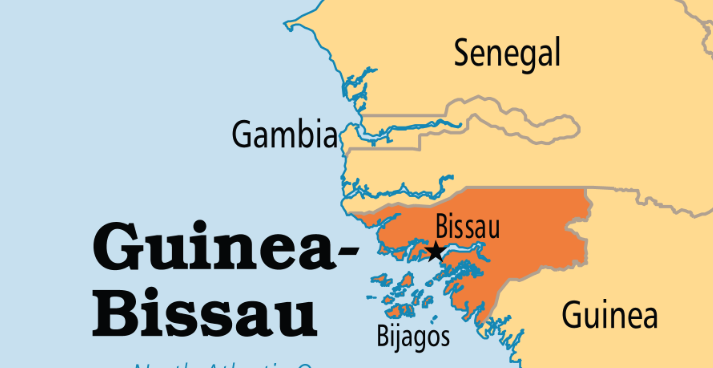
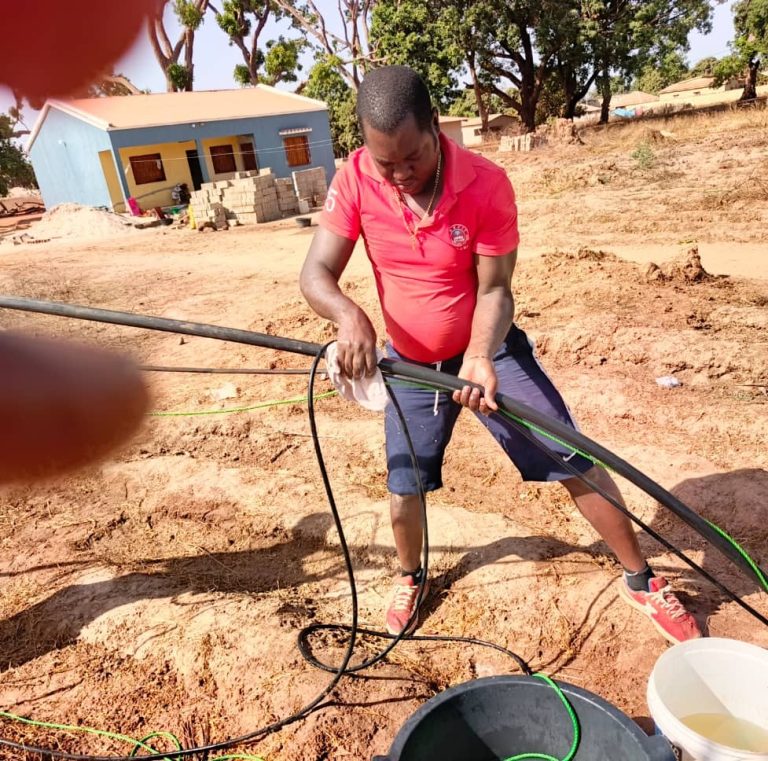
At Casa Winsan—a foundational initiative under the Guimeds project founded by pharmacist Alfredo Sambù—we believe that protecting human health and honoring the Earth go hand in hand. Operating out of the Casa Winsan Business Center in Bigene, located within the Cacheu Region of Guinea-Bissau, our mission combines modern health standards with deep community wisdom to enhance local well-being.
Alfredo Sambù, drawing on his background as a practicing pharmacist in Vicenza, Italy, chose to establish our production headquarters in Bigene rather than the capital city of Bissau. This decision reflects personal gratitude to his native village of Bambaia, while strategically positioning our center near key trade routes with Senegal to reduce regional water crises and support local economic growth.
In the native Balanta language of Guinea-Bissau, water is known as Wedi. This word conveys far more than a chemical compound; it honors water as an essential, life-giving element that belongs to every human being.
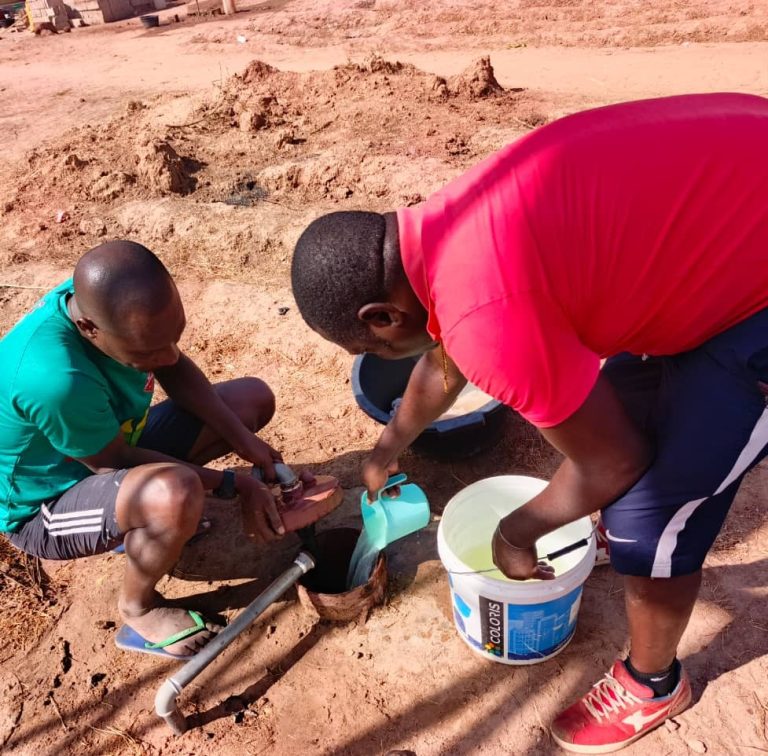
In strict adherence to the guidelines of the World Health Organization (WHO), Casa Winsan purifies and distributes safe, clear drinking water to ensure that pathogen-free hydration is accessible to everyone, regardless of social standing.
Our commitment extends beyond water purification. Casa Winsan actively supports local agriculture by providing farmers with training, resources, and sustainable organic farming practices.
By bridging traditional knowledge with modern material science, we strive to advance ecological packaging solutions that safeguard our soil, protect our water sources, and nurture vibrant health for generations to come.
What to join us, support us or work with us? Fill out this form and we will get back to you: https://guimeds.com/work-with-us.