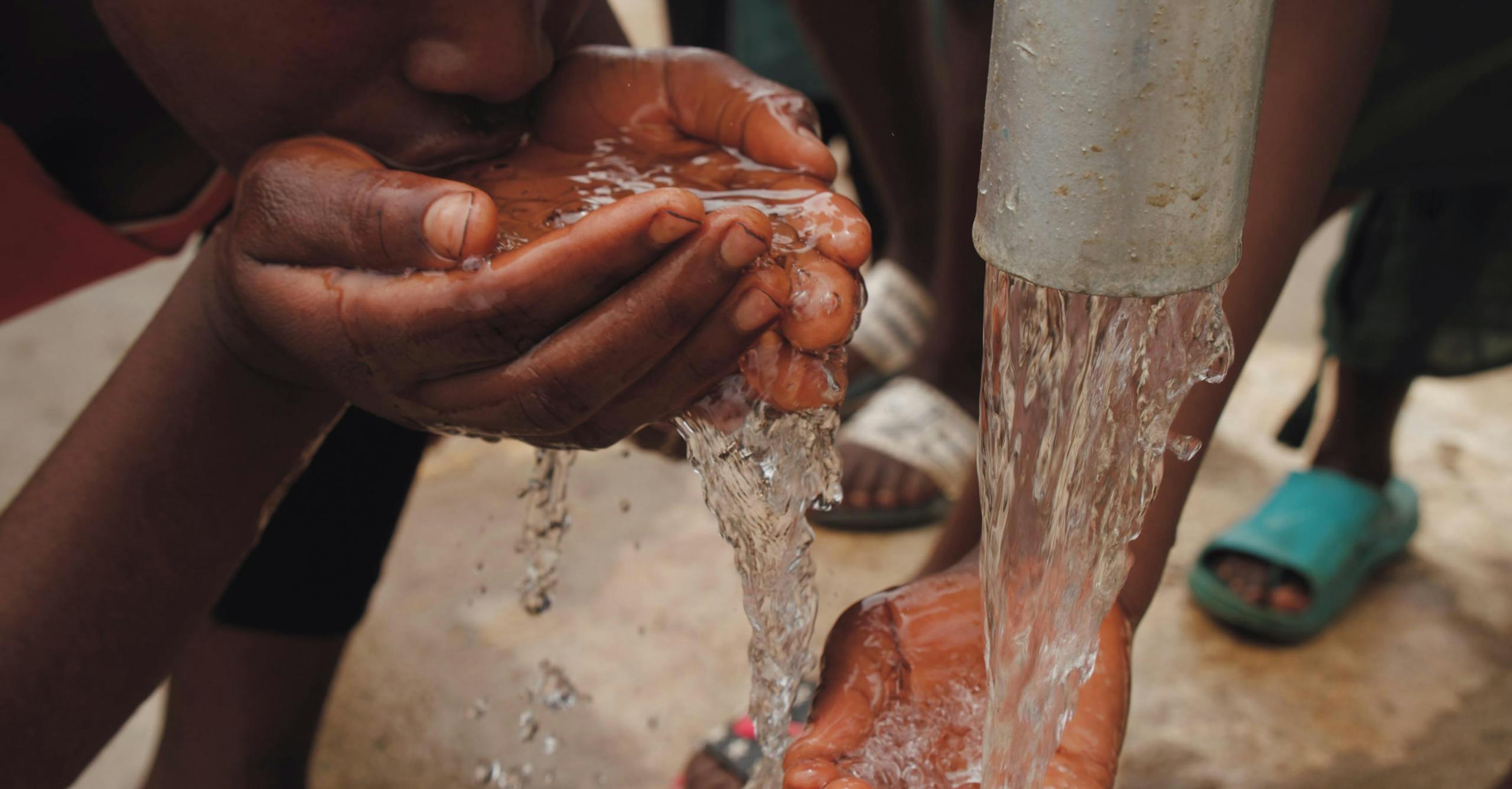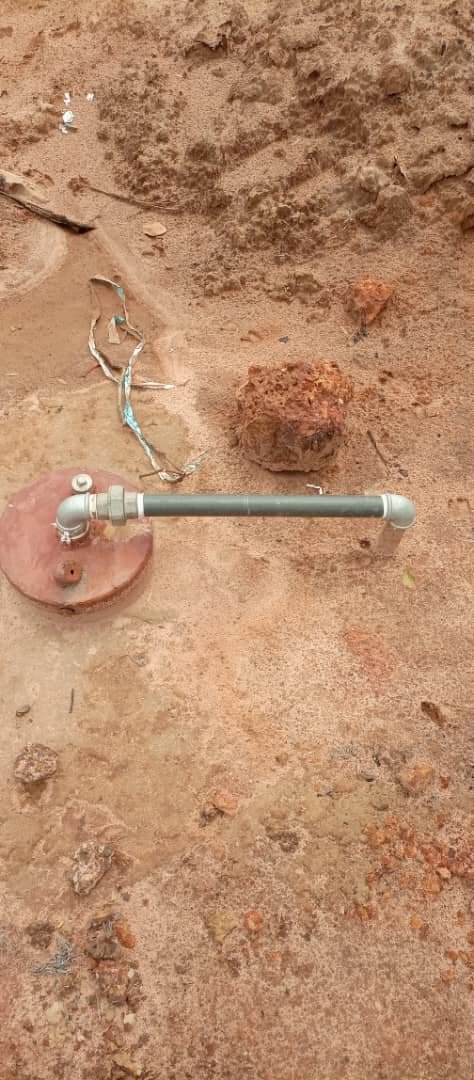
Across the vast landscapes of West Africa, where rivers carve their path through ancestral lands and rain fills the soil with promise, water has always been understood as the first medicine. In the Balanta language of Guinea-Bissau, this life-sustaining gift is known as Wedi. It is a word carrying profound reverence, acknowledging a substance without which no crop can sprout, no child can grow, and no community can flourish.
For generations, traditional wellness systems recognized that the health of a village mirrored the clarity of its water sources. Today, as we navigate modern public health challenges, science reinforces this ancient truth.
When we examine water through the lens of chemistry and biochemistry, we discover that its capacity to give life depends entirely on its molecular purity and its relationship with the surrounding ecosystem.
The Molecular Nature of Wedi: Nature’s Great Solvent
To appreciate why clean water is essential to human health, we must first look at its unique molecular structure. Water () consists of two hydrogen atoms covalently bonded to a single oxygen atom in a bent geometry.
Because oxygen possesses a higher electronegativity than hydrogen, it draws shared electrons closer to its nucleus, creating a polar molecule with a partial negative charge near the oxygen atom and a partial positive charge near the hydrogen atoms.
This chemical polarity gives water its remarkable ability to form hydrogen bonds with neighboring molecules. It also makes water the ultimate universal solvent. Within the human body, this property enables water to perform critical physiological functions:
- Nutrient Transportation: Dissolving essential minerals, vitamins, and glucose so they can cross cell membranes.
- Metabolic Regulation: Facilitating enzymatic reactions and chemical interactions inside the cytoplasm.
- Cellular Detoxification: Carrying metabolic waste products out of tissue and filtering them through the kidneys.
- Thermal Balance: Regulating body temperature through high specific heat capacity and evaporative cooling.
However, because water dissolves substances so effectively, it can also absorb harmful biological and chemical contaminants from its environment. This dual nature makes precise purification non-negotiable.
What Makes Water Safe? The Standards of the World Health Organization
The World Health Organization (WHO) defines access to safe drinking water as a fundamental human right. According to WHO guidelines, safe drinking water must be strictly free from pathogenic microorganisms, hazardous chemicals, and radiological hazards that pose risks to human health.
Microbiological Safety
Waterborne pathogens, including bacteria like Vibrio cholerae and Escherichia coli, as well as viruses and protozoa, remain major causes of preventable illness worldwide. Safe drinking water requires complete microbial inactivation through controlled filtration and disinfection systems.
Chemical Integrity
Industrial runoff, untreated waste, and agricultural pesticides can introduce toxic heavy metals (such as lead, arsenic, and mercury) and inorganic compounds (such as nitrates) into groundwater.
Chronic exposure to these chemicals disrupts metabolic pathways, compromises kidney function, and impairs neurological development.
Physical and Aesthetic Parameters
Safe water must also meet strict parameters for pH, turbidity, and total dissolved solids (TDS). Neutral pH levels prevent pipe corrosion and digestive discomfort, while low turbidity ensures that suspended particles do not shield harmful microbes from treatment processes.
Why Bigene: Rooting Advanced Health Infrastructure in the Region
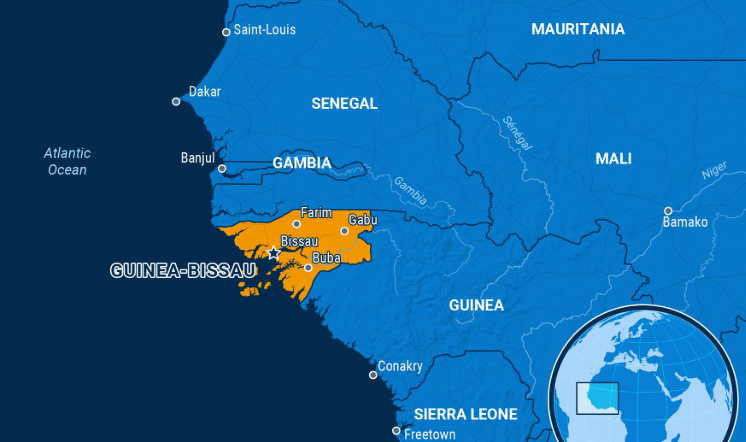
While major capital cities often absorb health investments, rural and regional areas frequently experience severe water vulnerability. When establishing the Casa Winsan Business Center as part of the Guimeds initiative, the choice to build in Bigene, located in the northern Cacheu Region of Guinea-Bissau, was made with deliberate purpose.
Addressing Regional Water Vulnerability
Northern Guinea-Bissau has historically faced recurring water shortages and quality challenges. By placing state-of-the-art purification and wholesaling facilities directly in Bigene, Casa Winsan addresses water security at the source, transforming daily life for thousands of families across the northern territory.
Strategic Regional Commerce
Bigene sits near the border with Senegal, a position that has long fostered cross-border trade. Establishing an industrial water distribution hub here provides an economic foundation for the region, generating sustainable local employment and demonstrating that high-tech health facilities can thrive outside major metropolitan areas.
A Return to Origins
For Guimeds founder Alfredo Sambù, a practicing pharmacist in Vicenza, Italy, investing in Bigene represents deep personal gratitude to his home soil and the neighboring village of Bambaia where he was born. True development begins by honoring one’s origins and providing rural communities with the infrastructure they deserve.
Connecting Pure Water to Regenerative Agriculture
Clean drinking water is the foundation of health, but human vitality requires a complete nourishment ecosystem. Water and soil share an inseparable biochemistry: contaminated water degrades agricultural land, while chemical-heavy agriculture pollutes underlying aquifers.
Through the Casa Winsan model in Bigene, clean water distribution works hand-in-hand with sustainable local farming initiatives:
Soil Health and Aquifer Protection
Conventional agriculture relies heavily on synthetic chemical fertilizers and toxic pesticides. Over time, these compounds wash into local water tables, introducing nitrates and synthetic residues into drinking supplies. By training local farmers in organic practices, soil conservation, and natural composting, Casa Winsan protects groundwater quality while growing nutrient-dense crops.
Fostering Food Sovereignty
Dependence on imported produce leaves local communities vulnerable to economic volatility and supply chain disruptions.
Supplying farmers with high-quality seeds, reliable irrigation techniques, and organic training helps communities build local food sovereignty. This ensures that nourishing, chemical-free food remains affordable and accessible to every family.
Empowering Local Talent
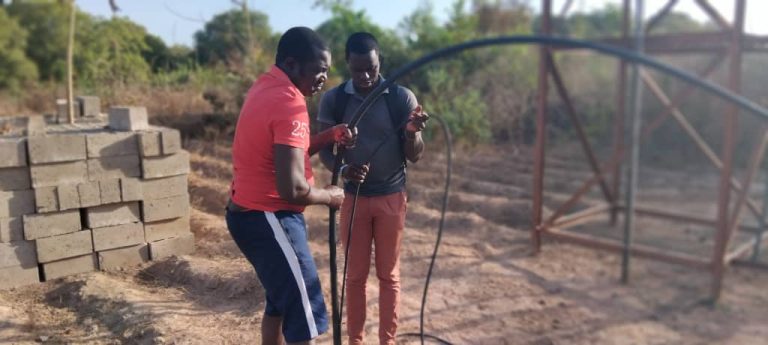
Real sustainability requires investing in people. By providing training workshops and professional equipment to local workers and agricultural partners, Casa Winsan creates long-term career pathways in clean water production, quality control, and sustainable farming.
Bridging Traditional Wisdom and Modern Science
At Guimeds, we believe that modern health science does not replace ancient wisdom; it clarifies and validates it. For centuries, traditional healers in West Africa understood that pure water (Wedi) and clean, earth-grown foods were essential to preventing disease and sustaining life.
By applying pharmaceutical standards and WHO-aligned quality control to our mineral water production in Bigene, Casa Winsan preserves that legacy.
We combine chemical precision with environmental stewardship, proving that community-driven development can deliver world-class health standards while honoring local culture and identity.
Safe water and organic food are not luxuries reserved for a few. They are universal foundations for life, dignity, and lasting health.
What to join us, support us or work with us? Fill out this form and we will get back to you: https://guimeds.com/work-with-us.