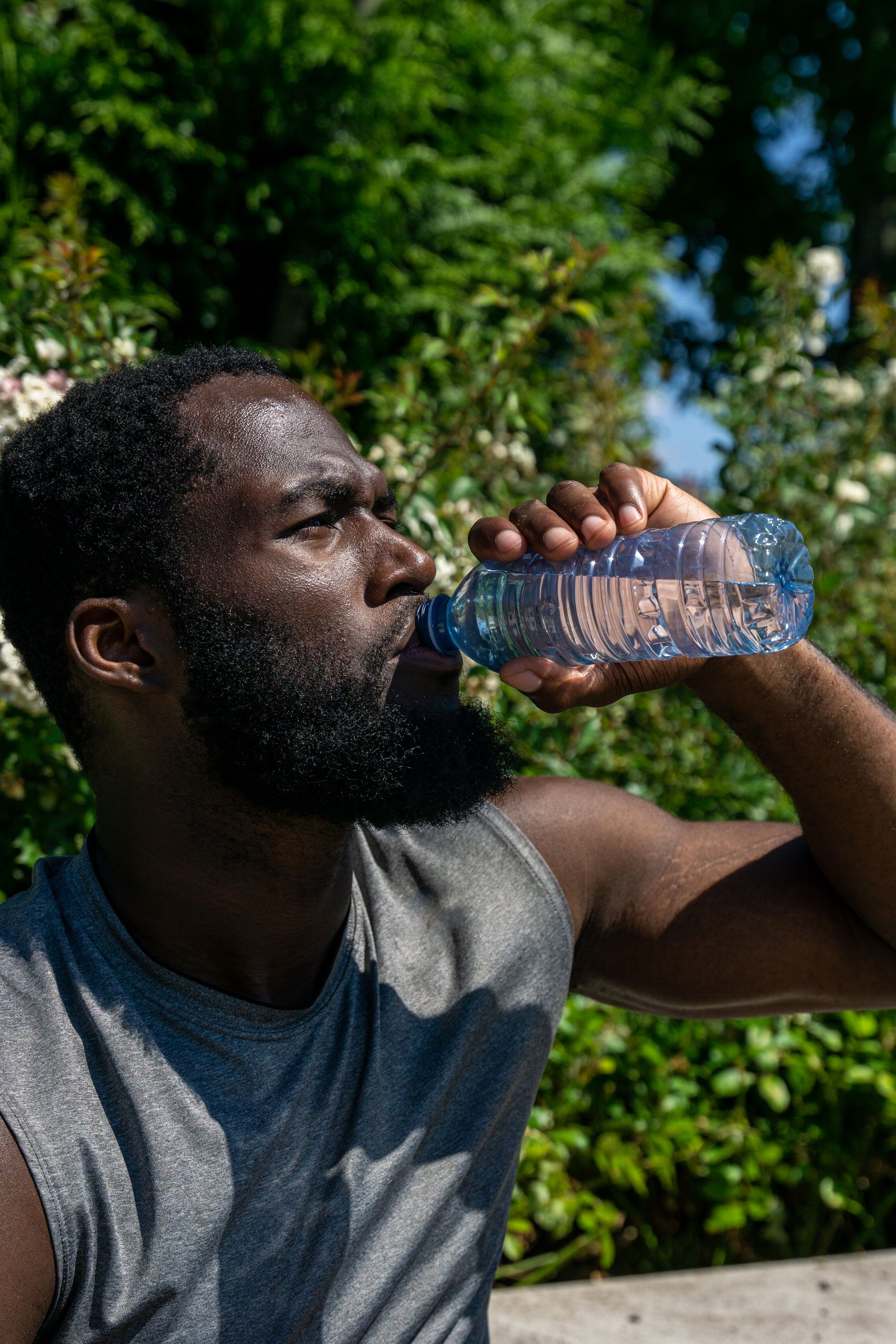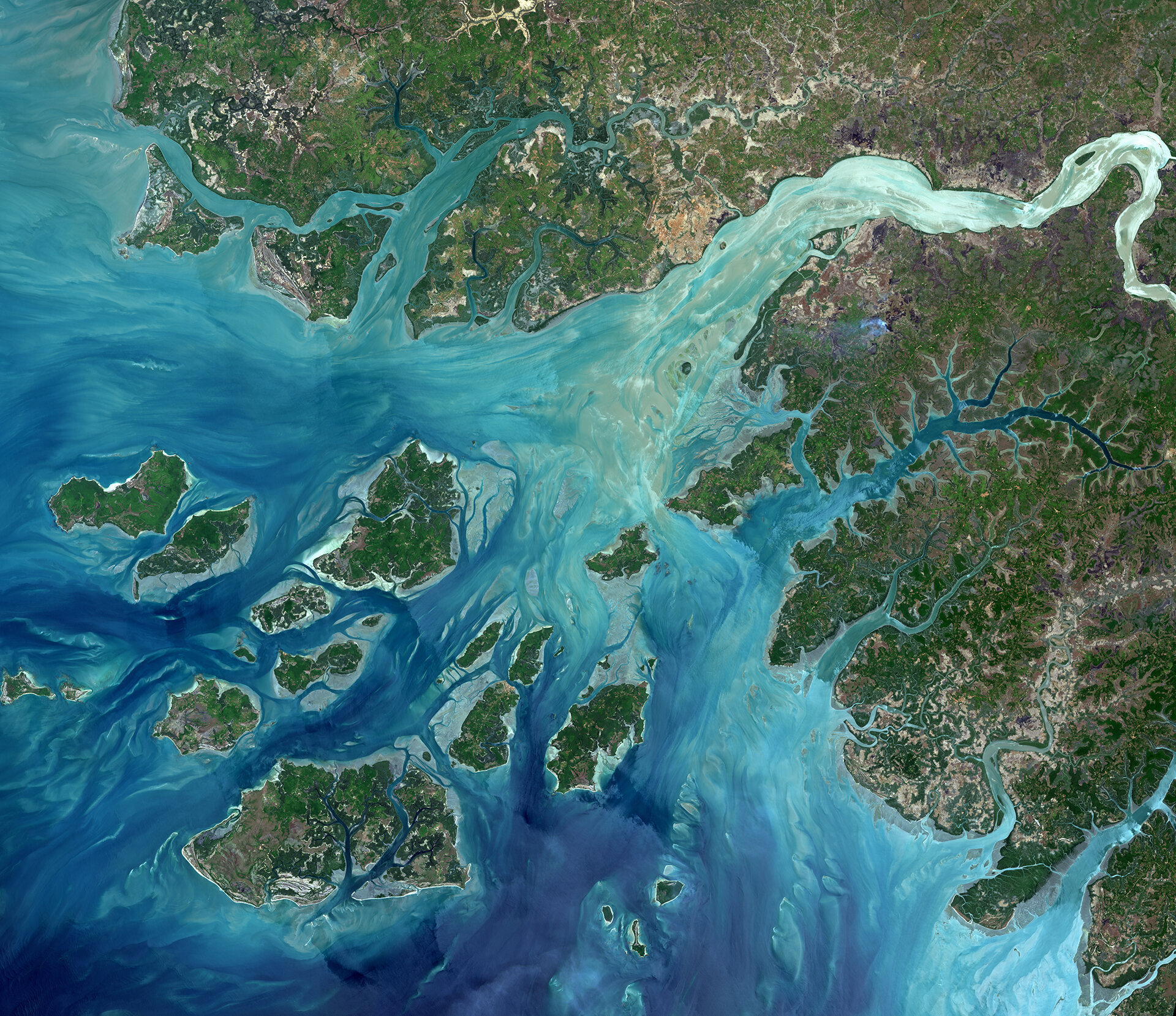
Across the vibrant landscape of Guinea-Bissau, water is far more than a chemical compound of hydrogen and oxygen. It is the lifeblood of daily existence, the foundation of communal health, and the sacred medium through which ancestral knowledge flows.
In the Balanta language, spoken by one of the primary ethnic groups of this land, water is known as Wedi. It is a word spoken with profound reverence, recognizing a unique, indispensable resource that sustains every living soul.
For generations, communities across West Africa have understood that true wellness cannot be imported from afar, nor can it be imposed from the top down. Lasting vitality arises from within the soil, nurtured by the hands of those who live upon it.
This fundamental truth lies at the heart of Casa Winsan, an initiative born under the umbrella of Guimeds and guided by the vision of Alfredo Sambù, a practicing pharmacist based in Vicenza, Italy, whose heart and heritage remain rooted in his native Guinea-Bissau.
At Casa Winsan, our mission transcends the conventional framework of water distribution. By establishing our primary operations in Bigene within the Cacheu Region, we have chosen a path of deep local involvement, merging rigorous modern public health standards with the timeless wisdom of traditional community governance.
Returning to Origins: The Strategic and Spiritual Choice of Bigene
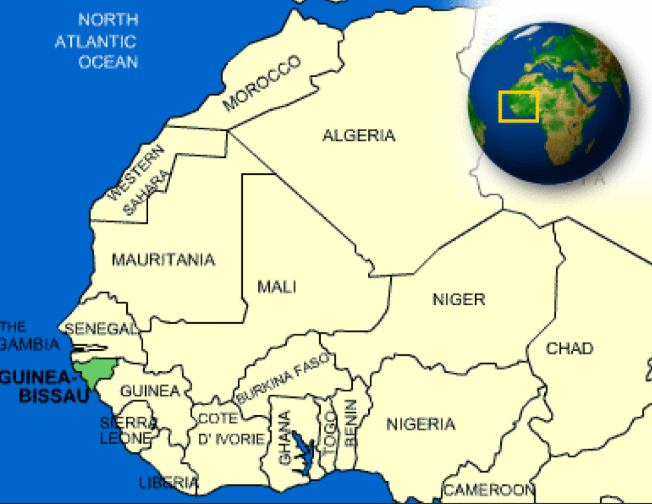
When establishing a business center and water initiative, conventional logic often points toward capital cities, in our case, Bissau. Capital hubs offer dense populations and established commercial corridors. Yet, Casa Winsan deliberately chose Bigene, a region in the northern territory of Guinea-Bissau, as its home.
This decision was guided by three foundational pillars:
- Empowerment of Local Human Resources: Placing infrastructure directly in regional communities creates sustainable economic ecosystems where they are needed most, rather than draining rural talents into urban centers.
- Strategic Trade and Quality of Life: Bigene’s geographic proximity to Senegal fosters vibrant cross-border trade, while directly addressing the severe water crises that historically affected the northern region.
- Personal Gratitude and Ancestral Honor: For founder Alfredo Sambù, establishing Casa Winsan in Bigene is a tangible expression of gratitude to Bambaia, the village where he was born. It honors the community that shaped his early life and instilled in him a passion for natural and traditional medicine.
By choosing Bigene over Bissau, Casa Winsan affirms that rural and regional communities deserve high-capacity infrastructure, pure resources, and direct economic agency.
Aligning WHO Science with Ancestral Stewardship
The World Health Organization (WHO) defines safe drinking water as an essential human right, water that is entirely free from pathogenic microorganisms, dangerous industrial chemicals, heavy metals, and radiological hazards. Meeting WHO guidelines requires precise microbiological testing, standardized filtration, and uncompromised quality controls.
At Casa Winsan, we treat these scientific parameters with the utmost rigor. As a practicing pharmacist, Alfredo Sambù understands that safe water is the prerequisite for all health; without it, herbal traditions, nutritional interventions, and medical care face an uphill battle.
However, technology and technical standards alone do not guarantee long-term water security. A water purification system built without local integration frequently falls into disrepair when external technicians depart. Casa Winsan bridges this gap by grounding modern hydrological science within traditional African communal principles.
In traditional Bissau-Guinean culture, decision-making and resource management are deeply tied to the Tabanka, the village community acting as a unified collective. By inviting village elders, local leaders, women’s cooperatives, and young workers to co-design the operational processes, the water project transitions from being an external initiative into a living community asset.
How Casa Winsan Involves Locals in the Process
True community involvement goes beyond hiring local labor for basic construction; it requires transferring knowledge, fostering leadership, and distributing economic return directly into the community’s hands.
1. Capacity Building and Technical Training
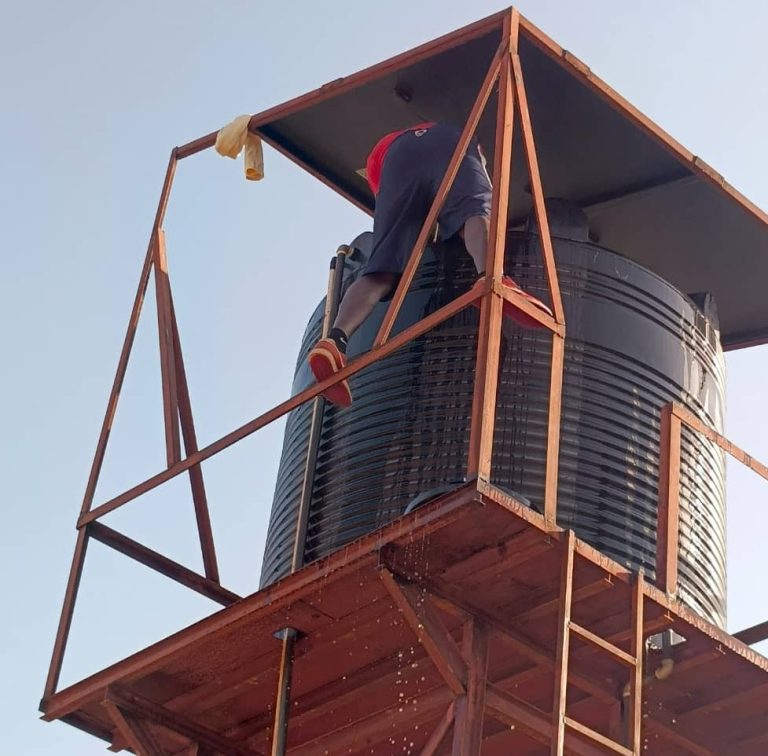
To ensure the long-term sustainability of the Wedi water distribution system, Casa Winsan provides technical training to local team members. Young men and women in the Cacheu Region learn the operational mechanics of filtration, quality monitoring, hygiene protocols, and system maintenance. This professional development turns local residents into certified stewards of their regional water infrastructure.
2. Agricultural Empowerment and Organic Farming
Clean water is the starting point for holistic community vitality. Casa Winsan channels its water resources into local agriculture, equipping farmers with training and organic inputs to cultivate highly nutritious produce.
By combining ancestral farming wisdom with modern agroecological methods, local farmers increase their crop yields, improve regional nutrition, reduce reliance on costly imported food, and stimulate local markets.
3. Fair Economic Integration
Through the Casa Winsan Business Center in Bigene, regional trade is revitalized. Local drivers, market vendors, and administrative staff manage the wholesale distribution of bottled and bulk Wedi water. Because the economic value generated stays within the northern region, families gain financial stability while reinforcing the local economy.
Water as a Catalyst for Holistic Wellness
In Western medicine, health is often viewed through the lens of treating isolated symptoms. Traditional African medicine, by contrast, views health as an state of balance between the individual, the community, the diet, and the natural environment.
When a village gains safe, reliable access to WHO-grade water, the cascade of positive health outcomes is immediate:
- Reduction of Waterborne Illnesses: Eradicating parasitic and bacterial infections allows children to attend school consistently and adults to work productively.
- Nutritional Sovereignty: Clean water paired with local organic farming ensures that diets are rich in vital micronutrients from indigenous plants and crops.
- Dignity and Time Restoration: Historically, collecting water has fallen disproportionately on women and young girls, who walked miles to fetch water of uncertain quality. Local distribution points give hours back to women each day, opening doors for education, entrepreneurship, and community leadership.
This is the manifestation of abundance in wellness—a state where public health infrastructure creates space for human potential to flourish.
A Model for Sustainable Development Across Africa
The journey of Casa Winsan in Bigene offers a scalable blueprint for community-driven development across the continent. It demonstrates that when African diaspora professionals bring their global expertise back to their hometowns—not as distant benefactors, but as humble collaborators—transformative change takes root naturally.
By honoring the Balanta concept of Wedi, respecting the soil of Bambaia, and applying modern pharmaceutical standards, Casa Winsan proves that tradition and innovation are not opposing forces. They are the twin oars that row the boat of progress forward.
As we continue to expand our water distribution networks and support sustainable agriculture in Guinea-Bissau, we invite thinkers, practitioners, partners, and supporters worldwide to stand with us in building a future rooted in health, dignity, and communal wisdom. https://guimeds.com/work-with-us