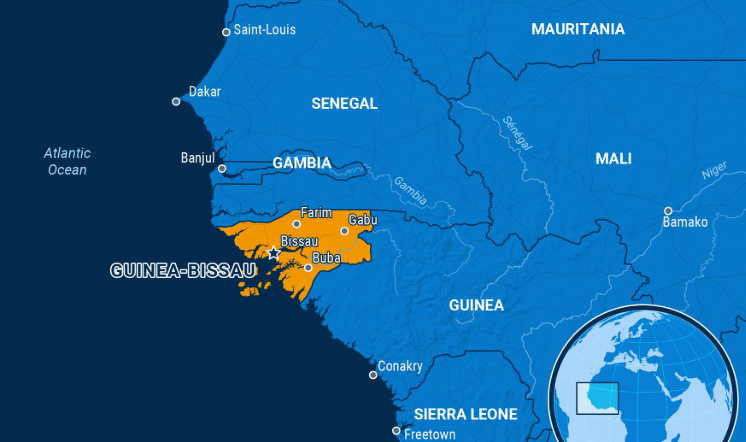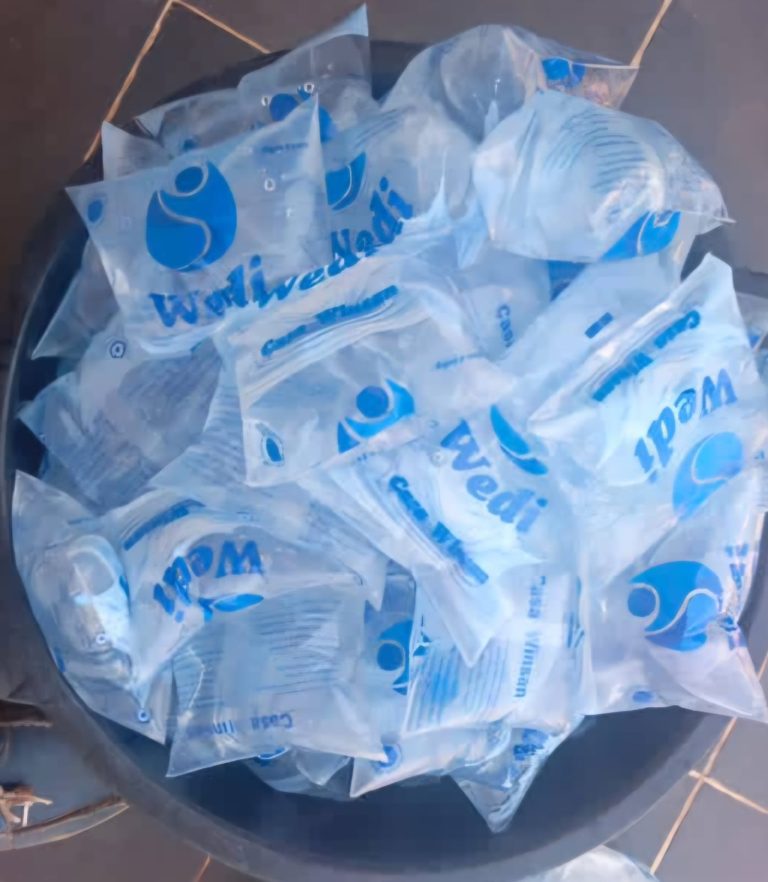
The heavy, humid air of the West African coast carries both the rhythm of life and the weight of a silent, generational struggle. In Guinea-Bissau, a land rich with mangroves, vibrant cultural history, and deep-rooted ancestral heritage, a fundamental element of life has long been a source of vulnerability: water. For the country’s children, the quality of the water they drink dictates their survival, their growth, and their future.
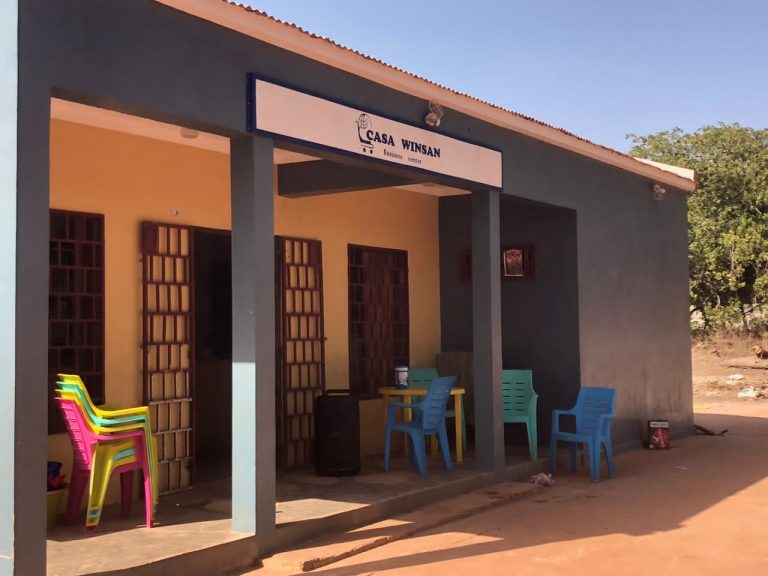
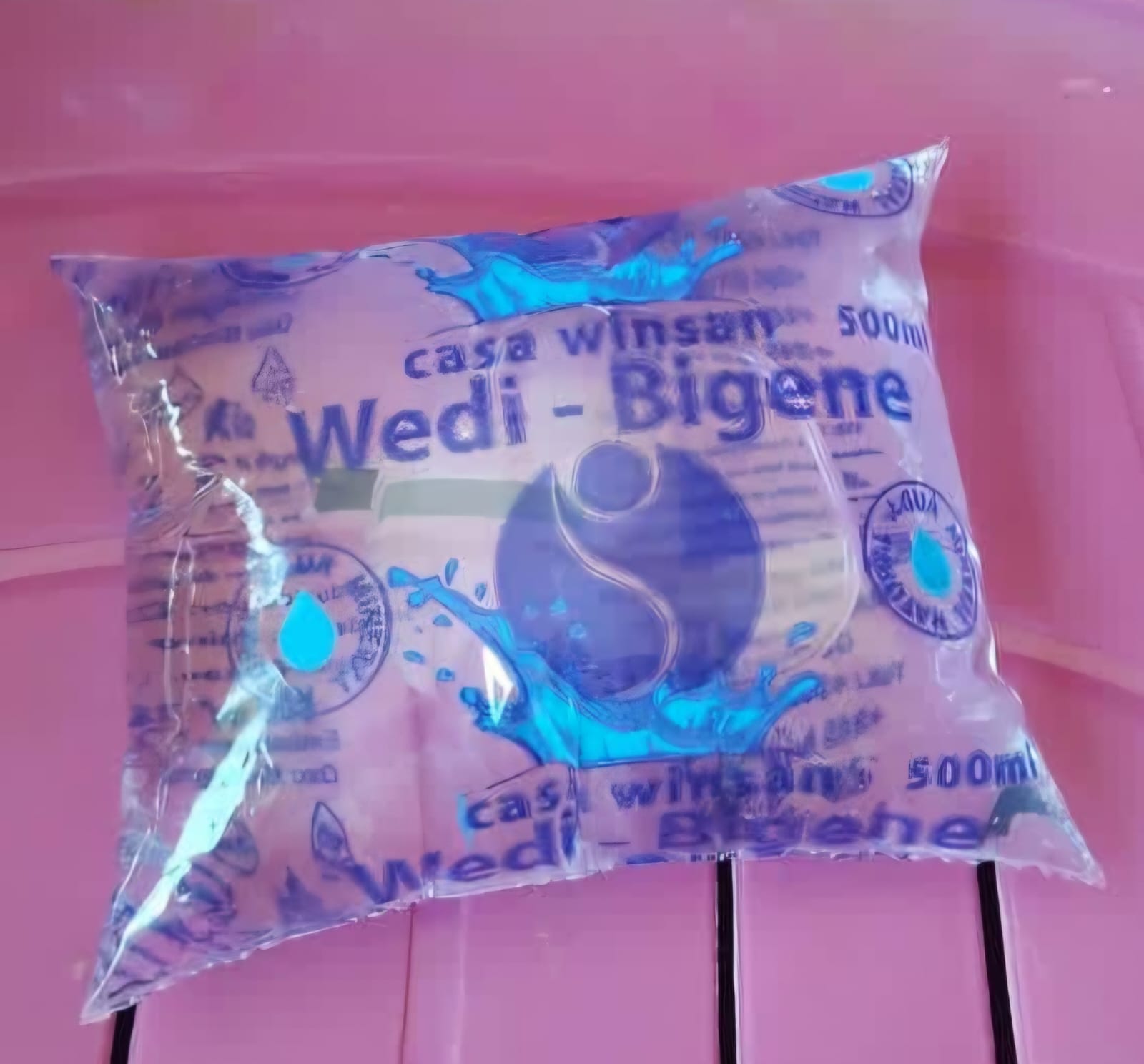
In response to this critical challenge, Casa Winsan has stepped forward, functioning not merely as an infrastructure initiative, but as a modern conduit for community preservation and wellness. By focusing on the structural roots of water insecurity, Casa Winsan’s clean water efforts are actively reshaping the landscape of child health in Guinea-Bissau.
To understand the true impact of this work, we must look at the profound biological and social connections between clean water, nutrition, and childhood vitality.
The Fatal Cycle: Waterborne Illnesses and Malnutrition
To understand the weight of Casa Winsan’s mission, we must first look closely at the devastating synergy between contaminated water and childhood development. In the rural and peri-urban sectors of Guinea-Bissau, traditional open wells and shallow groundwater sources are highly susceptible to ecological and biological contamination.
Recent public health data indicates that roughly 65% of protected open wells in the region suffer from fecal coliform contamination, turning everyday hydration into a high-stakes risk for developing immune systems.
When a child consumes unsafe water, the immediate clinical consequence is often acute waterborne disease, primarily diarrheal infections caused by pathogens like Rotavirus, Escherichia coli, or Vibrio cholerae. Globally, diarrheal diseases remain the second leading cause of death in children under the age of five.
In Guinea-Bissau, the vulnerability is magnified; children in rural areas face a risk of mortality from these preventable infections that is more than four times higher than those in urban centers.
However, the damage extends far beyond temporary illness. Frequent bouts of waterborne infection trigger a destructive internal state known as environmental enteropathy, a chronic inflammatory condition of the gut lining.
This structural breakdown of the intestinal wall directly causes malabsorption. A child can ingest a nutritious meal, but their damaged digestive tract cannot absorb the life-sustaining vitamins, minerals, and macronutrients. This direct link between contaminated water and Severe Acute Malnutrition (SAM) means that no nutritional intervention can truly succeed unless the water supply is permanently secured.
Casa Winsan’s Strategic Interventions
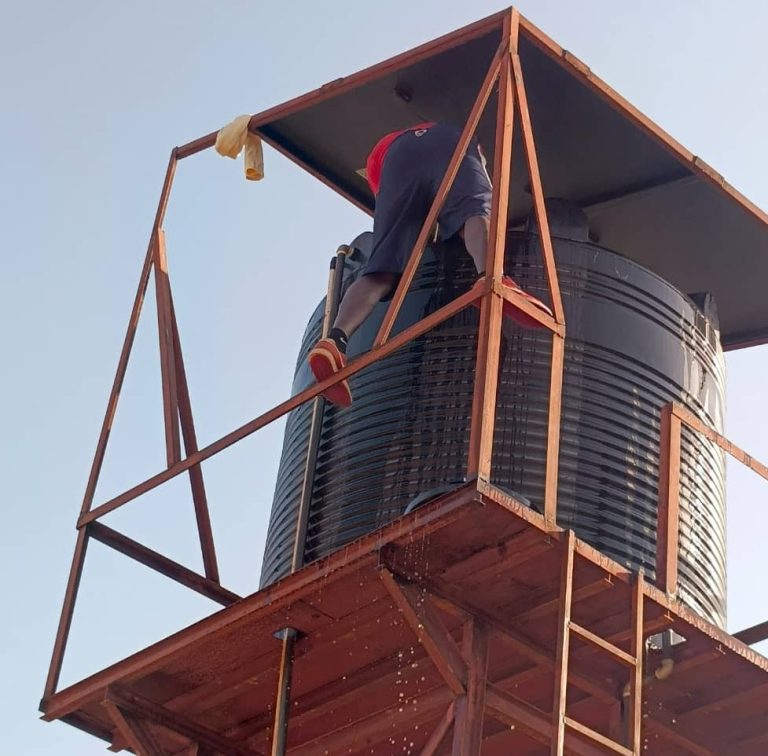
Casa Winsan’s clean water initiatives approach this problem through a comprehensive strategy that bridges engineering, community education, and deep respect for local communal structures. Their efforts target the vulnerabilities within the local water ecosystem through three primary actions:
- Borehole Infrastructure Development: Shifting communities away from shallow, unsafe surface wells by drilling deep water boreholes. These deep aquifers are naturally filtered by geological layers, protecting the water from surface runoff and bacterial contamination.
- Decentralized Water Purification Systems: Implementing low-maintenance, reliable filtration and chlorination protocols at key community gathering points, ensuring that the water remains safe from the point of collection to the moment of consumption.
- Integrating WASH with Nutrition: Recognizing that water, sanitation, and hygiene (WASH) cannot be isolated from nutritional recovery, Casa Winsan aligns its clean water points with local health outposts and community kitchens to directly break the cycle of environmental enteropathy.
Measurable Shifts in Child Health Outcomes
Where clean water flows, the biological transformation of a community begins almost immediately. The introduction of Casa Winsan’s reliable, safe water systems yields profound, measurable benefits for childhood development.
1. Radical Reduction in Acute Diarrheal Episodes
By providing a continuous source of pure, uncontaminated water, the primary vectors for waterborne pathogens are eliminated. Clinical data consistently shows that introducing managed, clean water systems can reduce childhood diarrheal incidence by up to 40% to 50%. For an infant under the age of one—the demographic facing the highest lethality rates from dehydration—this protection is fundamentally life-saving.
2. Amplification of Nutritional Recovery
When a child’s digestive system is no longer constantly battling waterborne pathogens, the gut lining can heal. This allows therapeutic feeding programs and local traditional diets to work effectively. Nutrient absorption stabilizes, weight gain accelerates, and communities see a sharp decline in Severe Acute Malnutrition.
3. Protection Against Cognitive and Physical Stunting
Chronic malnutrition caused by early childhood diarrhea leads to permanent physical and cognitive stunting. By protecting the gut during the critical first 1,000 days of life, clean water preserves a child’s developmental trajectory, ensuring they reach their full physical and intellectual potential.
| Health Metric | Unprotected Water Sources | Post-Casa Winsan Clean Water Access |
| Primary Water Source | Shallow wells / open surface water | Deep boreholes / treated community points |
| Bacterial Contamination Risk | Extremely High (65%+ fecal coliform risk) | Negligible / Controlled |
| Diarrheal Incidence (Under 5) | Frequent, recurring seasonal spikes | Drastically minimized |
| Nutrient Absorption Efficiency | Compromised by chronic gut inflammation | Optimized; high recovery from malnutrition |
| Child Mortality Risk (Waterborne) | Severe risk factor, especially in rural zones | Substantially mitigated |
The Broader Circle of Wellness: Time, Dignity, and Education
The restorative power of clean water extends beyond clinical metrics; it fundamentally reshapes the daily fabric of community life. In traditional societies across Guinea-Bissau, the task of gathering water falls heavily upon women and young children.
Before the implementation of localized clean water points, children often spent hours traveling miles to collect water from questionable sources. This exhaustive daily trek came at a heavy cost: it stripped them of their energy, exposed them to physical hazards, and routinely kept them out of the classroom.
“True wellness cannot exist in a vacuum. When a community gains access to a clean water source, it recovers its most precious commodity: time.”
By bringing safe water directly into the heart of villages, Casa Winsan restores this time to the community’s children. Girls, who are disproportionately tasked with water collection, are able to return to school consistently.
Furthermore, the physical strain of carrying heavy water containers over long distances is lifted, reducing musculoskeletal stress on growing bodies. The energy that was once burned on survival is redirected toward education, play, and natural development.
Preserving the Future of a Community
The work of Casa Winsan demonstrates a foundational truth of holistic health: water is the ultimate medicine. By cutting off waterborne illnesses at the source, their initiatives provide the biological foundation required for children to thrive.
They ensure that the next generation grows up strong, nourished, and fully capable of carrying forward the deep cultural wisdom and legacy of their ancestors. Through these targeted, respectful, and highly effective interventions, the promise of true traditional wellness and abundance is being realized, one clean drop at a time.