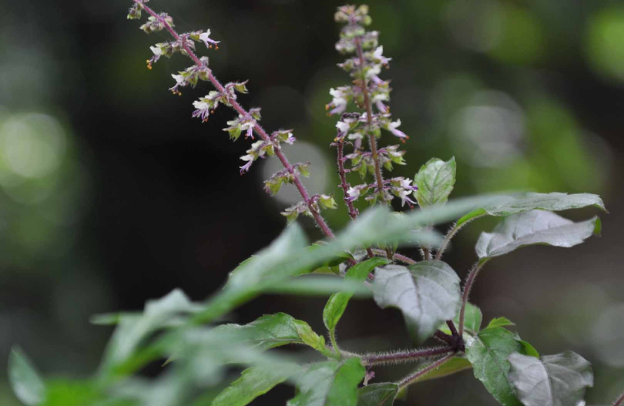
It is in such moist, fertile places that one of nature’s gentlest and most profound healers thrives: the Marsh Mallow. This is not the fluffy white confection it later inspired, but its ancient namesake, Althaea officinalis, a tall plant with downy, velvet-soft leaves and delicate, pale-pink blossoms.
It’s very name, gifted by the ancient Greeks from the word álthos (to heal), is a testament to its millennia of service in herbal medicine. While other herbs may stimulate, purge, or invigorate, the true genius of Marsh Mallow lies in its singular ability to soothe.
It is the ultimate demulcent, an herb that coats, protects, and calms irritated tissues with an almost maternal grace. As we move deeper into a season that can challenge our respiratory and digestive wellness, there is no better ally to understand than this humble, healing plant.
The Velvet Coat for a Troubled Gut
The true magic of Marsh Mallow resides in its extraordinary abundance of mucilage, a substance concentrated most powerfully in its thick, fibrous root. This mucilage is a complex web of polysaccharides that, when combined with water, creates a slippery, viscous, and incredibly soothing gel.
When you consume it, this gel performs a remarkable service for your entire digestive tract.
Imagine it as a liquid bandage, a soft, protective lining that coats everything it touches. This action provides immediate and lasting relief for a variety of digestive complaints:
- Soothing Acid Reflux and Heartburn: For those who suffer from the burning sensation of acid reflux, a Marsh Mallow infusion provides a physical barrier, coating the delicate lining of the esophagus and shielding it from the corrosive effects of stomach acid.
- Calming Gastritis and Ulcers: In the stomach itself, the mucilage lays a protective film over the inflamed lining, reducing irritation from digestive juices and creating a healing environment for ulcers to mend.
- Balancing Inflammatory Bowel Conditions: Further down, in the intestines, Marsh Mallow can soothe the inflammation associated with conditions like IBS and leaky gut, calming the system and providing a gentle, soluble fiber.
To best access these benefits, a cold-water infusion of the root is paramount. Hot water can extract too much starch and degrade the delicate polysaccharides.
Simply add one tablespoon of chopped, dried Marsh Mallow root to a liter of cold water, let it steep for at least four hours (or overnight), and then strain. The resulting liquid will be thick and viscous, a true healing elixir to be sipped throughout the day.
A Gentle Balm for the Lungs
The same demulcent action that works wonders on the gut is mirrored in the respiratory system. The mucilage, absorbed and circulated through the body, brings its soothing properties to the delicate mucous membranes of the throat and lungs.
“Famous in the world of phytocosmetics for its moisturising and emollient properties, Marsh Mallow is the protagonist of this perfumed line that boasts a formula containing marvellous plant-based ingredients, including the extract of Lemon leaves and twigs with its refreshing and elasticising action.” – Marsh Mallow.
This makes Marsh Mallow a premier remedy for the coughs and sore throats that often accompany the changing seasons.
Its action is twofold:
- As a Demulcent: It directly coats a raw, inflamed throat, providing immediate relief from the scratchy, painful sensations that trigger a dry, hacking cough. It calms the irritated tissues, breaking the cycle of irritation and coughing.
- As a Gentle Expectorant: Unlike harsh expectorants, Marsh Mallow works by hydrating and thinning dried, hardened mucus. This makes a cough more productive and less painful, allowing the body to effectively clear phlegm from the bronchial passages.
For respiratory relief, a warm tea made from the leaves and flowers is lovely, but a traditional Marsh Mallow root syrup is even more effective. A slow-simmered decoction of the root, strained and combined with raw honey, creates a thick, pleasant-tasting syrup that can be taken by the spoonful to soothe a persistent cough.
From Root to Flower: Using the Whole Plant
While the root is the most potent part of the plant, the entire herb offers its healing gifts. The soft, downy leaves and the ethereal flowers also contain significant amounts of mucilage.
They are wonderful in soothing tea blends and can be used externally. A poultice of crushed fresh leaves and flowers, much like its cousin the Hollyhock, can be applied to dry, irritated, or inflamed skin to provide cooling, moisturizing relief.
As the damp autumn air settles upon us, bringing with it the potential for coughs, colds, and digestive unease, Marsh Mallow stands ready. It is a quiet and unassuming plant, yet it embodies a deep and powerful form of healing.
It reminds us that true strength is not always forceful, and that sometimes, the gentlest, softest touch is precisely what is needed to restore balance and bring us back to wholeness.