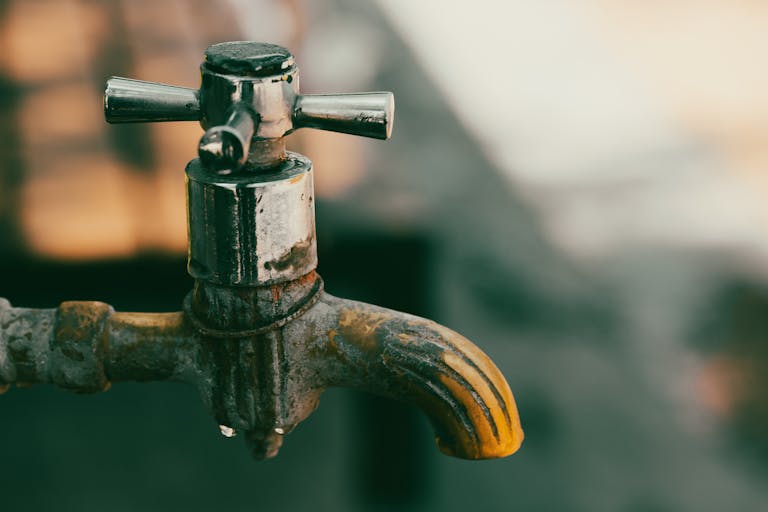
In the heart of the Cacheu Region, where the red earth of Guinea-Bissau meets the horizon, there is a word that carries the weight of survival and the lightness of hope: Wedi. In the Balanta language, it means water. But for the people of Bigene, Wedi is more than a chemical compound or a commodity; it is the pulse of the community, the silent partner in every harvest, and the foundation upon which a healthy future is built.
For too long, the narrative of water in West Africa has been one of scarcity, of long treks under a punishing sun and the heavy burden placed on the shoulders of women and children.
However, at Casa Winsan, we are shifting that narrative from one of lack to one of abundance. By blending the “knowledge of ages” with modern, scientific precision, we are creating a balanced water system that does more than just provide a drink; it restores a way of life.
The Reality of Scarcity: Beyond the Dry Well
To understand the balance Casa Winsan seeks to strike, we must first look honestly at the challenges facing Guinea-Bissau. Despite being a land blessed with significant river systems like the Rio Geba and Rio Corubal, and sitting atop the vast Senegalo-Mauritanian Aquifer Basin, the paradox of “water poverty” remains a daily reality for many.
Current statistics from 2026 highlight a sobering landscape:
- Access Gap: Approximately 70% of the population in Guinea-Bissau still lacks access to safely managed drinking water services.
- The Gender Burden: In rural areas, women and girls often begin their day at 5:00 AM, spending several hours fetching water from distant or unreliable sources.
- Health Impact: Waterborne diseases like cholera, dysentery, and typhoid remain a significant threat when water is untreated. In West Africa, nearly 31% of the population lacks even a basic drinking water service, contributing to high mortality rates in vulnerable communities.
Scarcity is not just the absence of water; it is the absence of safe water. When a community relies on a single hand-dug well that yields less each year, the “scarcity mindset” takes hold. It limits education, hinders economic growth, and forces a choice between hydration and health.
The Vision of Abundance: The Casa Winsan Approach
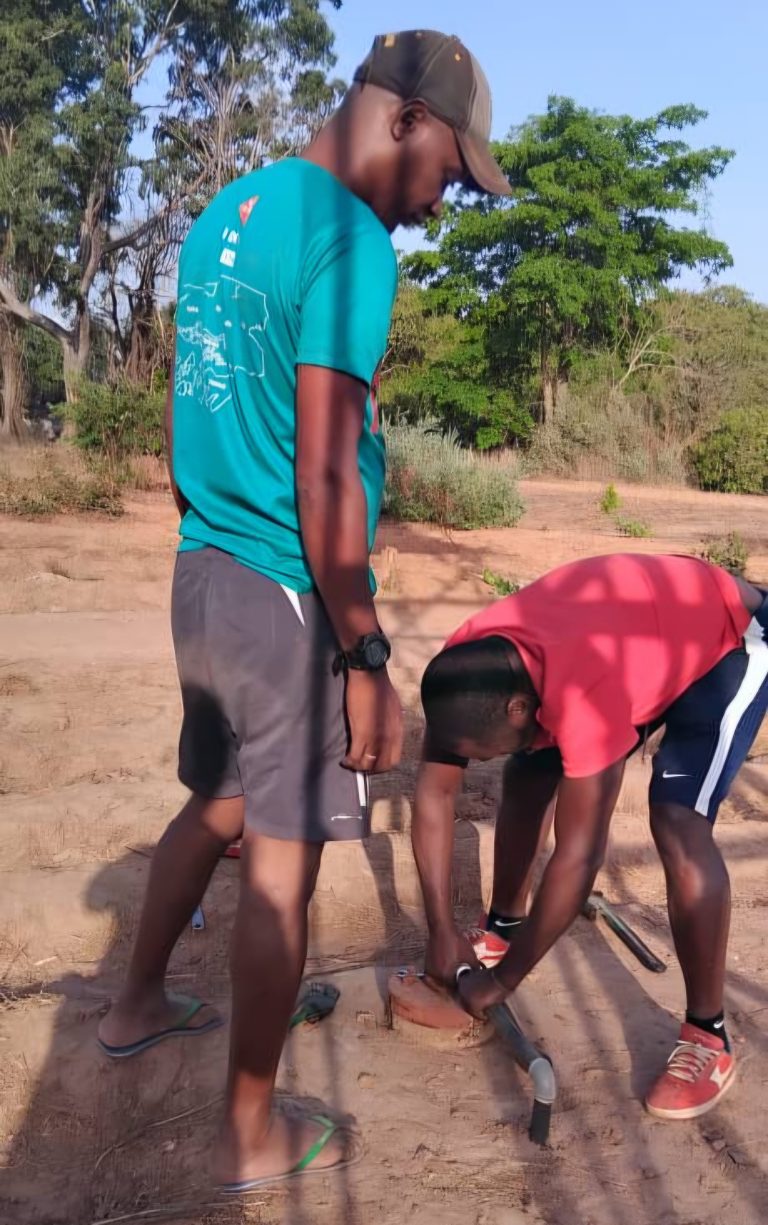
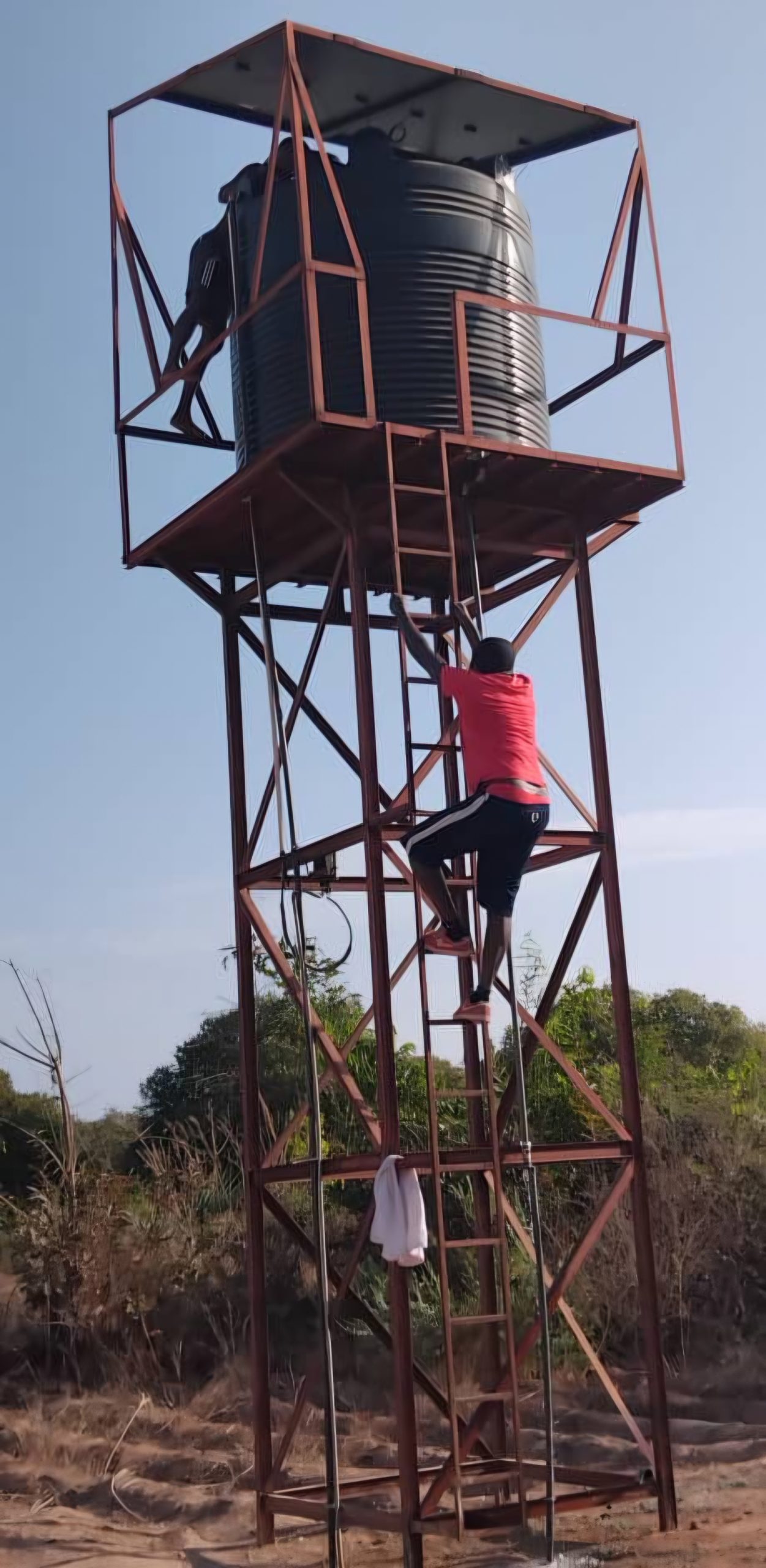
At Casa Winsan, founded by Alfredo Sambù in his ancestral home of Bigene, we believe that abundance is achieved through stewardship. Our “Business Center” isn’t just a distribution point; it is a hub of sustainable development designed to transform the northern region’s water infrastructure.
We don’t just see a crisis; we see a resource that needs a bridge. Our strategy for creating a balanced system rests on three pillars:
1. Strategic Localization (The Power of Bigene)
While many projects focus on the capital, Bissau, Alfredo Sambù chose Bigene. This “return to origins” is strategic. Bigene’s proximity to Senegal makes it a commercial crossroads, and its unique soil holds an authentic presence of high-quality water.
By decentralizing production, we reduce the frequent water crises that plague the northern region and empower local human resources.
2. Adherence to Global Excellence (The WHO Standard)
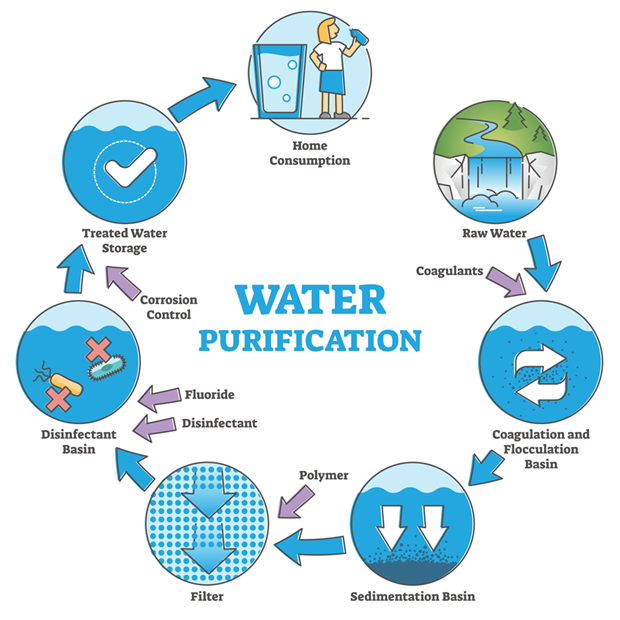
Abundance without quality is a shadow. Casa Winsan strictly follows the parameters set by the World Health Organization (WHO). To us, “safe water” is a fundamental human right.
- Microbiological Safety: Our purification processes ensure water is free from pathogenic microorganisms (bacteria and viruses).
- Chemical Integrity: We monitor for dangerous levels of nitrates and heavy metals, common issues in agricultural runoff.
- Radiological Safety: Every drop meets the highest international quality standards, ensuring that “abundance” never comes at the cost of safety.
3. Integration with Agriculture
A balanced system recognizes that water and food are inseparable. Casa Winsan supports local farmers by providing the resources needed for organic, nutritious produce. By using sustainable water distribution for irrigation, we help move the community from subsistence farming to an “abundance of wellness.”
How We Balance the System
Managing water resources effectively means understanding the cycle of the earth. We utilize the natural storage capacity of aquifers—underground layers of water-bearing rock. These aquifers act as natural reservoirs, protecting water from evaporation and surface pollution.
| Feature | The Scarcity Model (Traditional) | The Abundance Model (Casa Winsan) |
| Source | Unprotected surface streams or shallow wells | Deep, protected aquifers & WHO-standard purification |
| Access | Hours of travel; physical labor | Localized distribution systems in Bigene |
| Quality | High risk of waterborne disease | Guaranteed safe, potable, and mineral-rich |
| Usage | Restricted to basic survival | Empowering agriculture and economic growth |
By implementing standardized treatment and reliable supply chains, we ensure that the water table is managed sustainably. We aren’t just “taking” water; we are creating a system where the resource is respected, purified, and distributed equitably, regardless of social status.
The Ripple Effect: Wellness and Dignity
When water is abundant and safe, the rhythm of life changes. A child can stay in school because they aren’t spending their morning at a well. A farmer can plan for a second harvest. A mother can trust that the water she gives her infant will bring life, not illness.
This is the “knowledge of ages” in action: recognizing that water is the sacred thread connecting our health, our land, and our future. Alfredo Sambù’s vision for Casa Winsan is a thank-you to the village of Bambaia and a promise to the people of Guinea-Bissau. It is a testament to the fact that with the right technology and a deep respect for tradition, we can turn the tide of scarcity.
Join the Journey
We are building a bridge between ancient wisdom and modern wellness, and we need partners, dreamers, and workers to help us expand this circle of abundance.
Want to join us, support us, or work with us?
Fill out this form and we will get back to you: https://guimeds.com/work-with-us