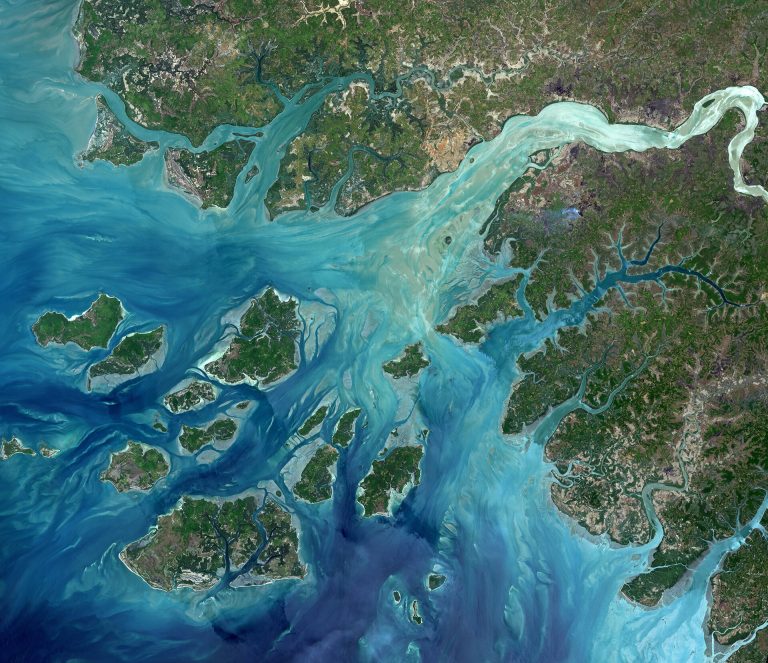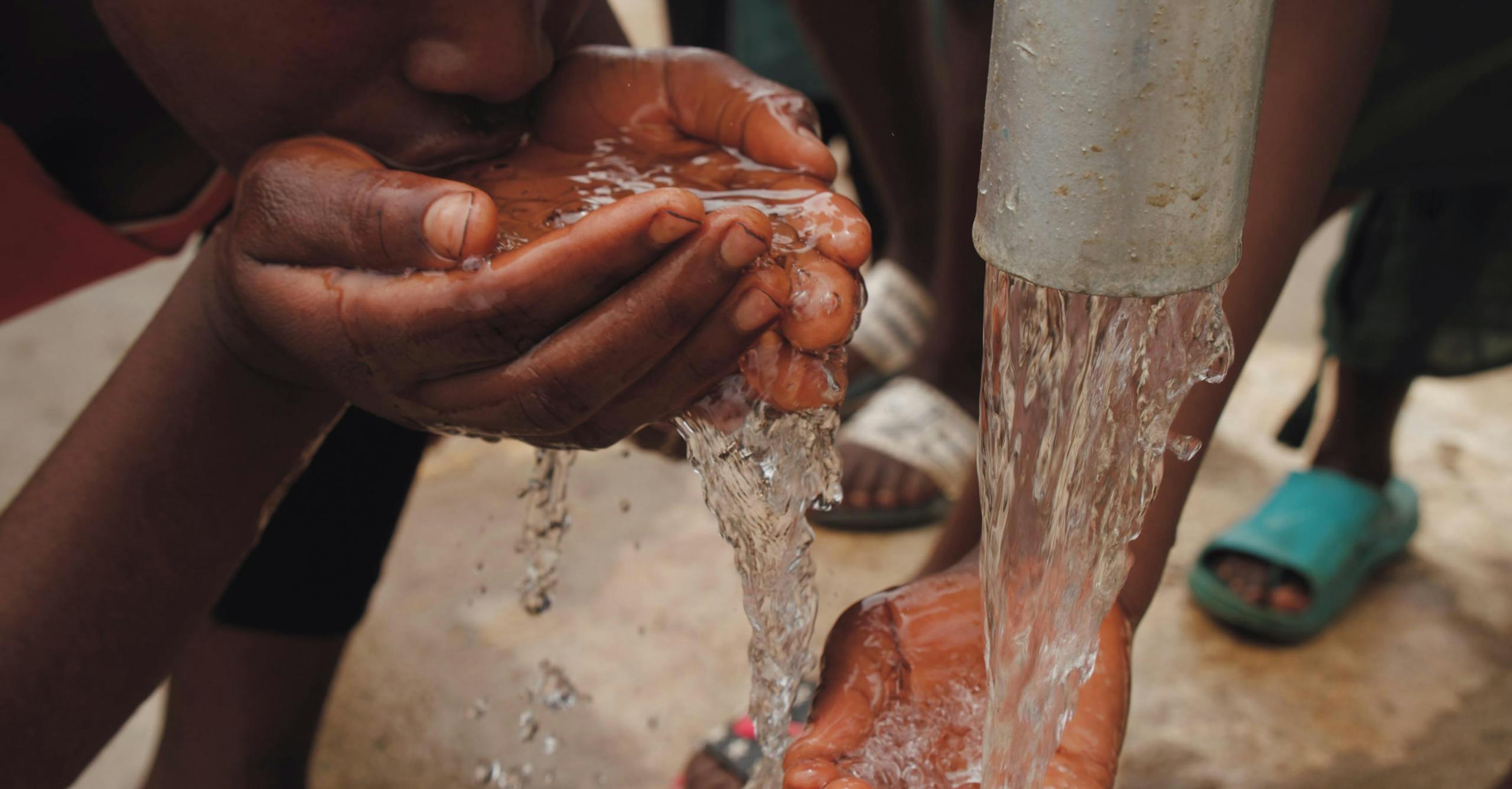
In the heart of the Cacheu Region, within the vibrant community of Bigene, there is a word that carries the weight of existence itself: Wedi. In the Balanta language, Wedi means water. It is more than just a chemical compound of hydrogen and oxygen; it is the silent pulse of the village, the architect of our health, and the primary witness to our history.
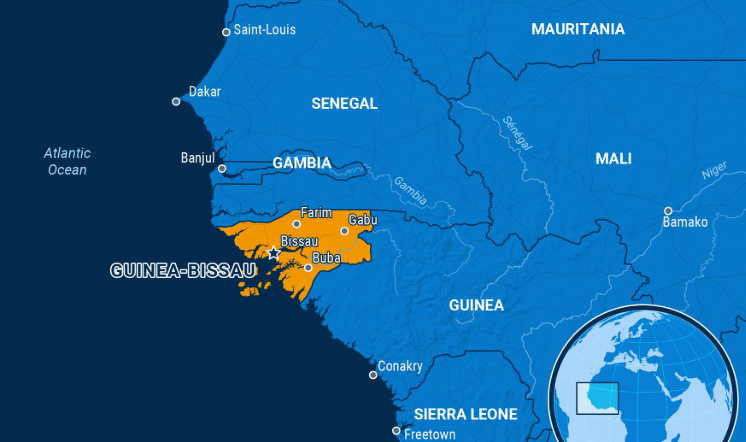
As we journey through the landscapes of Guinea-Bissau, from the bustling markets of Bissau to the serene ancestral lands of Bambaia, we find that the story of our people is inextricably linked to the quality of our water.
At Casa Winsan, we view water not merely as a commodity but as a fundamental human right and the cornerstone of a thriving society.
To understand why clean water is the absolute essential for public health in Guinea-Bissau, we must look beyond the glass and into the very fabric of our biology, our economy, and our future.
The Biological Mandate: Water as the Body’s Guardian
The human body is a marvel of biological engineering, and water is its primary fuel. Approximately 60% of the adult human body is composed of water. It regulates our temperature, lubricates our joints, and flushes out toxins. However, when that water is contaminated, the very substance meant to sustain life becomes a carrier for disease.
In Guinea-Bissau, public health challenges are often rooted in the “water-health nexus.” According to statistics from the World Health Organization (WHO), diarrheal diseases, often caused by contaminated water, remain a leading cause of mortality in children under five globally.
In regions where water infrastructure is developing, the impact of waterborne pathogens like Vibrio cholerae (cholera), Salmonella typhi (typhoid), and various dysentery-causing bacteria is profound.
When a community gains access to safe, treated water—what we at Casa Winsan call “Safe Water”, the transformation is immediate.
- Reduction in Waterborne Illness: Access to clean water can reduce diarrheal morbidity by up to 25%.
- Improved Nutritional Absorption: Even the most nutritious, locally-grown organic produce cannot be fully utilized by the body if it is fighting chronic intestinal parasites from unclean water.
- Maternal Health: Safe water is critical during childbirth and neonatal care to prevent sepsis and other infections.
Why Bigene? A Strategic Choice for Regional Health
Many ask why the founder of Guimeds, Alfredo Sambù, chose to establish the Casa Winsan Business Center in Bigene rather than the capital city of Bissau. The answer lies in a commitment to decentralization and regional empowerment.
Bigene is strategically positioned near the border with Senegal, making it a hub for commercial trade. By securing a reliable source of purified water here, we aren’t just selling a product; we are stabilizing the health infrastructure of the entire northern region.
Historically, rural areas have faced the brunt of water crises. By placing our headquarters in the village of Bambaia’s neighbor, we are honoring our origins while solving a logistical health hurdle.
We follow the WHO Guidelines for Drinking-water Quality (GDWQ). These guidelines are the international benchmark for chemical, physical, and microbiological safety. By adhering to these standards, Casa Winsan ensures that every drop of Wedi is free from:
- Pathogenic Microorganisms: Bacteria and viruses that cause immediate outbreaks.
- Harmful Chemicals: Such as nitrates from agricultural runoff or heavy metals.
- Radiological Risks: Ensuring the soil and source are pure.
The Ripple Effect: Beyond the Cup
The benefits of clean water extend far beyond preventing illness. It is a catalyst for economic and social wellness.
1. Empowering Local Agriculture
Public health is not just the absence of disease; it is the presence of vitality. Casa Winsan supports local farmers with the resources to grow organic produce. However, agriculture requires irrigation. Using contaminated water on crops can lead to the transmission of pathogens through food. By promoting sustainable water practices, we ensure that the food on our tables is as healthy as the water in our glasses.
2. Education and Time
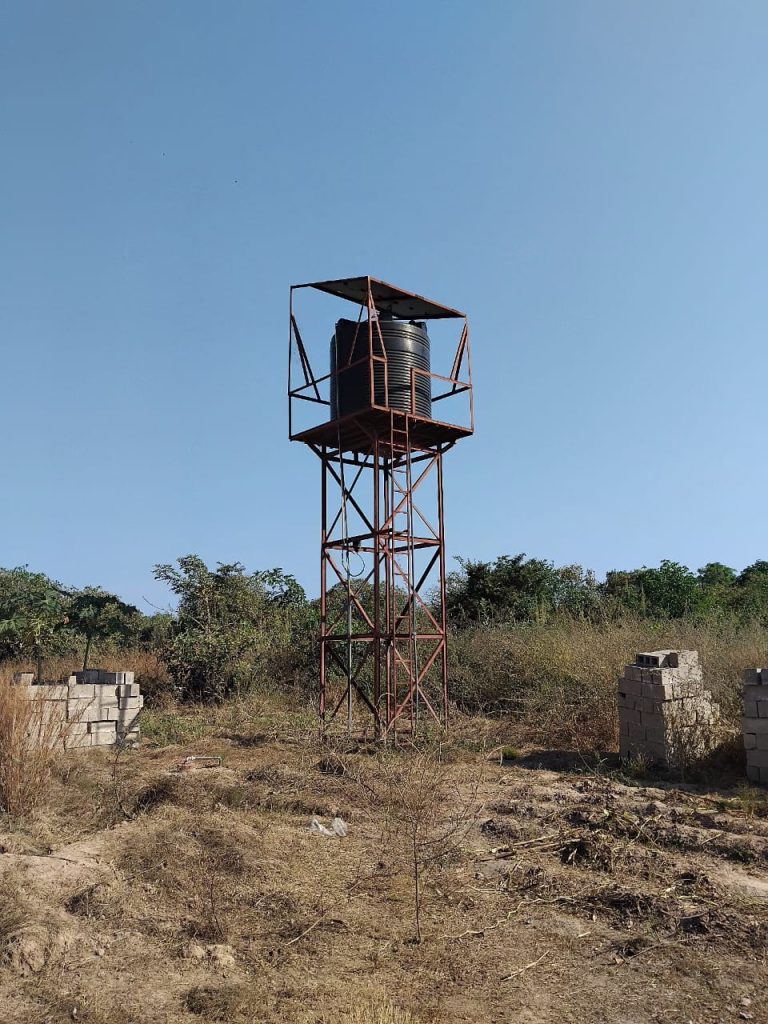
In many parts of West Africa, the burden of fetching water falls on women and children. When water sources are distant or contaminated, children often miss school due to illness or the hours spent walking to find a clean well. Clean, accessible water gives these hours back to the community, fostering education and economic growth.
3. Economic Stability
A healthy population is a productive one. By reducing the incidence of water-related illnesses, we reduce the financial strain on families who would otherwise spend their limited resources on healthcare and medicine.
A Bridge Between Tradition and Modern Safety
At Casa Winsan, we respect the “knowledge of ages.” Our ancestors knew the sacredness of the spring and the importance of the river. They understood that the earth provides, provided we treat it with respect. We take that traditional reverence and combine it with modern pharmaceutical precision.
Alfredo Sambù’s background as a pharmacist in Italy allows us to bridge these two worlds. We use modern purification technology—standardized to the highest WHO parameters—to protect a resource that the Balanta people have cherished for centuries. This is “Wedi” in its purest form: a blend of cultural identity and scientific excellence.
“Safe drinking water is not a luxury for the few; it is a fundamental human right and a prerequisite for the realization of all other human rights.” — Inspired by the WHO Mandate.
The Global Perspective: Guinea-Bissau’s Path Forward
The challenge of water access is global, but the solutions must be local. In Guinea-Bissau, the transition toward universal water safety is a key pillar of sustainable development.
| Contaminant Category | Common Sources | Health Impact | Casa Winsan/WHO Standard |
| Microbiological | Human/Animal waste | Cholera, Typhoid | Zero detectable E. coli |
| Chemical | Industrial/Agri-runoff | Organ damage | Below strict mg/L limits |
| Physical | Soil erosion/Silt | Digestive irritation | High clarity/Turbidity control |
By maintaining these standards, we are doing more than just quenching thirst. We are building a “Casa” (a home) for health. We are ensuring that the children of Bigene grow up with the strength to lead, the farmers have the means to nourish, and the nation has the foundation to thrive.
Your Role in the Flow of Wisdom
The story of water in Guinea-Bissau is still being written. It is a story of resilience, of returning to one’s roots, and of the unwavering belief that a healthy community starts with a clean source.
When you support initiatives like Casa Winsan, you are participating in a holistic movement. You are helping to reduce reliance on imported goods, supporting local organic agriculture, and ensuring that the “knowledge of ages” is preserved in a healthy, vibrant population.
Wellness is an abundance. It is the balance of mind, body, and environment. And at the center of that balance, you will always find Wedi.
Want to join us, support us, or work with us? We invite you to be part of this transformative journey. Whether you are a practitioner, a supporter of sustainable development, or someone who believes in the power of clean water, we would love to hear from you. Fill out this form and we will get back to you.