

African nutrition holds a certain mystique that has fascinated the world for generations. It’s a treasure trove of diverse flavors, unique ingredients, and natural remedies that have been passed down through centuries of tradition. For those interested in exploring the rich fabric of African nutrition and discovering its potential health benefits, understanding the role of macronutrients is a vital first step.
Importance of Understanding Macronutrients
Macronutrients, according to the British Health Foundation “are the nutrients we need in larger quantities that provide us with energy”, they play a crucial role in our overall health and well-being. This article delves into the impact of macronutrients on your body and weight control, offering valuable insights and actionable tips for those curious about African nutrition and natural remedies.
The Basics of Macronutrients
Macronutrients are the three essential components of our diet that provide energy and serve as building blocks for various bodily functions. They include carbohydrates, proteins, and fats, each with its unique role in sustaining life and promoting health.
The Role of Macronutrients in the Body
Macronutrients are more than just sources of calories. They serve various critical functions:
- Carbohydrates are our primary source of energy.
- Proteins are essential for tissue repair and the production of enzymes and hormones.
- Fats support cell growth and protect organs.
African Nutrition: A Unique Perspective
The Diversity of African Diets
Africa boasts a vast diversity of cultures, each with its unique dietary traditions and culinary practices. From the North African couscous to West African jollof rice and the South African bobotie, there’s no shortage of flavorful dishes to explore.
Traditional African Foods and Their Macronutrient Profiles
Understanding traditional African foods and their macronutrient profiles can help you appreciate the nutritional diversity of the continent. Examples include:
- Injera from Ethiopia, is a sourdough flatbread rich in carbohydrates.
- Nigerian Egusi soup is a protein-packed dish made with melon seeds.
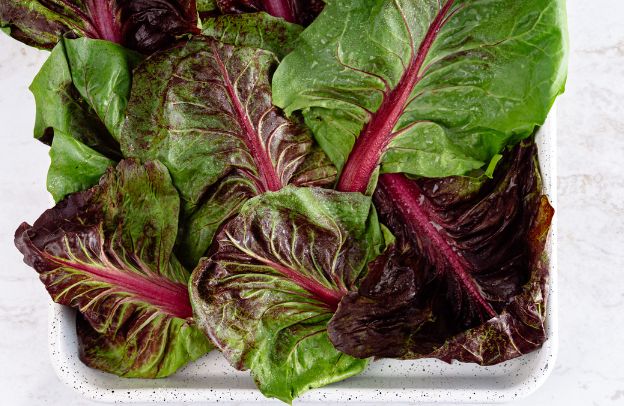
- Amaranth leaves are a green leafy vegetable rich in vitamins and minerals.
The Impact of Geography and Culture on African Nutrition
African nutrition is deeply influenced by geography and culture. Coastal regions emphasize seafood, while inland areas rely on grains and tubers. These variations contribute to the richness and uniqueness of African diets.
The Wisdom of Natural Remedies in African Diets
Traditional African diets often include natural remedies derived from plants and herbs. These remedies have been used for generations to treat various ailments and maintain overall health. To learn more, you can consider checking out “Perspective: Food Environment Research Priorities for Africa—Lessons from the Africa Food Environment Research Network”, available at Sciencedirect.com.
Understanding Calories
What are Calories?
Calories are units of energy that our bodies require for various functions, such as breathing, digestion, and physical activity. Understanding how calories work is essential for managing your weight and overall health.
How Macronutrients Contribute to Caloric Intake
Different macronutrients provide different amounts of calories per gram:
- Carbohydrates: 4 calories per gram.
- Proteins: 4 calories per gram.
- Fats: 9 calories per gram.
The Connection Between Calories and Weight Control
Maintaining a healthy weight requires balancing calorie intake and expenditure. Consuming more calories than your body needs can lead to weight gain, while a calorie deficit results in weight loss. So, it’s always recommended that you consider balancing your intake of calories.
The Role of Macronutrients in Weight Control
Understanding the type of carbohydrates, you consume is crucial. Opt for complex carbohydrates like whole grains, legumes, and vegetables over simple sugars to maintain stable energy levels.
Actionable Tip: Choose whole-grain African staples like millet, sorghum, and teff for sustained energy and better weight control.
Proteins: Building Blocks for a Healthy Body
Proteins are essential for muscle maintenance and repair. Incorporate lean protein sources such as poultry, fish, and plant-based options like lentils and tofu into your diet.
Actionable Tip: Try dishes like Senegalese chicken Yassa or Moroccan lentil stew for protein-rich and delicious meals.
Fats: The Good, the Bad, and the African
Differentiate between healthy unsaturated fats found in avocados, nuts, and olive oil and less healthy saturated fats found in fried and processed foods.
Actionable Tip: Use African ingredients like shea butter and red palm oil, which contain heart-healthy unsaturated fats.
African Natural Remedies for Weight Control
Herbal and Plant-Based Remedies
Explore African herbal remedies such as moringa and baobab fruit, known for their nutritional benefits and potential to aid in weight management.
Actionable Tip: Incorporate moringa powder or baobab fruit into your smoothies or meals for a natural nutritional boost.
Traditional African Cooking Techniques
Traditional African cooking techniques like fermentation and slow cooking preserve nutrients and promote better digestion.
Actionable Tip: Ferment foods like injera, kimchi, or South African amasi for probiotic-rich options that support gut health and weight management.
The Role of Mindful Eating in African Culture
African culture places a strong emphasis on communal meals and mindful eating, fostering healthier relationships with food.
Actionable Tip: Savor your meals, eat with loved ones, and pay attention to portion sizes to support mindful eating.
Balancing Macronutrients for Optimal Health
The African Approach to Balanced Nutrition
Emulate the African approach to balanced nutrition by incorporating a variety of foods from different food groups into your diet.
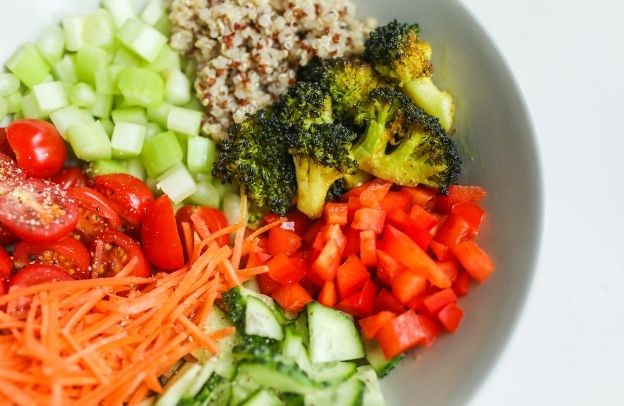
Actionable Tip: Create colorful and diverse meals by including a range of vegetables, proteins, and whole grains on your plate.
Personalized Nutrition: Tailoring Macronutrient Ratios
Consider your individual nutritional needs, activity level, and health goals when determining your macronutrient ratios.
Actionable Tip: Consult a registered dietician for personalized guidance on your ideal macronutrient ratios.
Conclusion on Decoding Calories
Finding Balance in Modern African Diets
While exploring African nutrition and natural remedies, remember that balance is key. Combine traditional wisdom with modern nutritional knowledge for a healthier, more fulfilling life.
Remember the key points from this article and always emphasize the importance of macronutrients in the context of African nutrition and natural remedies. I encourage you to explore the world of African cuisine and wellness practices while making informed choices to support your health and well-being.



Very good info. Lucky me I recently found your blog by chance (stumbleupon).
I’ve saved as a favorite for later!
What’s up to every one, the contents present at this web page are genuinely remarkable for people knowledge,
well, keep up the good work fellows. https://oladam.Davesdanlife.com/2023/01/31/revolutionizing-the-art-of-pounded-yam-preparation/
A fascinating discussion is definitely worth comment. There’s no doubt that that you ought to publish more on this subject matter, it may not be
a taboo subject but usually people do not speak about such subjects.
To the next! Cheers!!
Your point of view caught my eye and was very interesting. Thanks. I have a question for you.
Thank you for sharing this! I honestly appreciated how you
explained “Decoding Calories: Unraveling the Impact of Macronutrients on Your Body and Weight Control – Guimeds” — you don’t often find this kind of down-to-earth explanation. These
days I’m following online platforms too, and I put together some notes over here: https://aci-nm.org/)
Keep it up!