
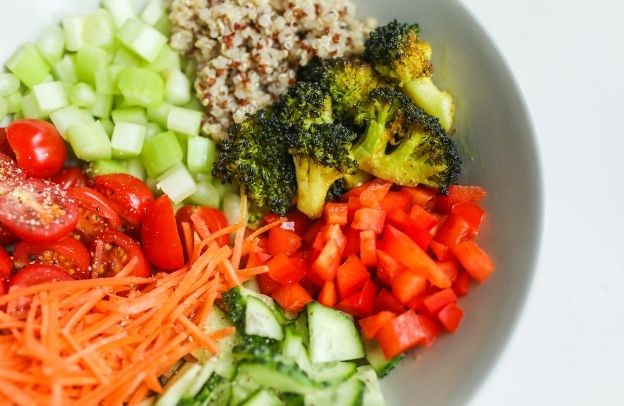
Africa, with its rich cultures and cuisines, offers a diverse range of culinary experiences. Understanding the dietary trends across this vast continent is crucial for making informed choices that contribute to overall health and wellness. In this article, we will explore the nutritional nuances of African diets and provide actionable tips for embracing healthier living within the context of this diverse and vibrant continent.
The Rich History of African Diets
North African cuisine, characterized by its aromatic spices and flavorful dishes, often centers around grains like couscous and bulgur. Coupled with lean meats and legumes, this diet is a source of essential nutrients and proteins.
Learn to incorporate more whole grains like couscous and bulgur into your meals for sustained energy.
West African diets boast a rich blend of rice, yams, and an array of vibrant spices. This region emphasizes the use of local ingredients, providing a variety of essential nutrients.
You can experiment with West African spices like Suya spice or Jollof seasoning to add flavor without excess salt.
East African cuisines are characterized by a bounty of vegetables, fruits, and plant-based proteins. Lentils, chickpeas, and a variety of indigenous grains contribute to a well-rounded nutritional profile.
What can be your actionable tip? Well, increase your intake of plant-based proteins by incorporating more lentils, chickpeas, and beans into your diet.
Southern African diets showcase unique flavors with game meats, maize, and indigenous fruits. These foods offer a distinctive blend of nutrients, including healthy fats and antioxidants. Consider exploring indigenous fruits like marula or baobab for a nutrient-packed and flavorful boost.
Nutrient-Rich Staples
Explore the nutritional benefits of grains like teff, sorghum, and millet, commonly consumed in African diets. These grains are rich in fiber, vitamins, and minerals, providing sustained energy.
Replace refined grains with teff, sorghum, or millet for a nutrient-dense alternative.
Leafy Greens and Vegetables
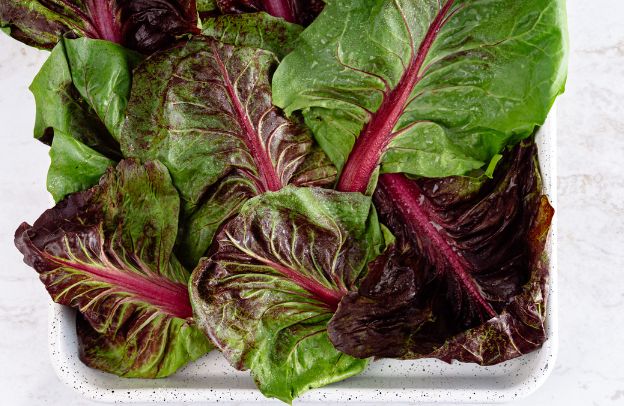
African diets are abundant in nutrient-rich leafy greens and vegetables. These provide essential vitamins and minerals crucial for overall health. Include a variety of leafy greens such as Morogo or Horenzo in your meals for a nutrient boost.
Legumes, nuts, and seeds are staple sources of protein in many African diets. These plant-based proteins offer a healthy alternative to animal sources. Snack on roasted chickpeas or include a handful of nuts and seeds in your daily diet for added protein.
Addressing Challenges and Misconceptions
Contrary to misconceptions, many African diets emphasize complex carbohydrates from whole grains, providing sustained energy. Opt for whole grains like brown rice or quinoa for a healthier carbohydrate source.
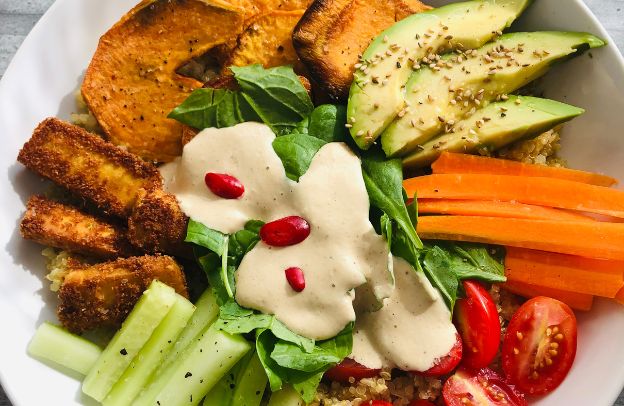
Healthy fats from sources like avocados, nuts, and olive oil are integral to many African diets. These fats contribute to heart health and overall well-being. Include sources of healthy fats in your meals, such as avocado salads or nut-based dressings.
African cuisines are far from limited, offering a plethora of ingredients and cooking methods. Embrace the variety to create balanced and diverse meals. Experiment with different regional cuisines to expand your palate and nutritional intake.
Modern Influences on African Diets
Globalization and urbanization have introduced processed foods, impacting traditional dietary habits. Balancing modern influences with traditional choices is key to maintaining health. Limit processed food consumption and prioritize fresh, local ingredients.
Striking a balance between traditional and modern dietary choices ensures a diverse and nutritionally rich diet. Combine traditional recipes with modern cooking techniques to create healthy, flavorful meals.
Navigating Special Diets and Allergies
African cuisines are versatile and can accommodate various dietary restrictions. Explore alternative ingredients to cater to specific needs. Replace allergens with suitable alternatives, such as using plant-based milk or gluten-free grains.
Promote inclusivity by embracing diverse dietary choices within the African context. Recognize that there’s no one-size-fits-all approach to nutrition. Celebrate the diversity of African cuisines by sharing meals with friends and family, incorporating different preferences.
The Role of Cultural Practices in Nutrition
Understanding the cultural significance of meals fosters a holistic approach to nutrition. Embrace the communal aspect of eating as a vital component of overall well-being. Share meals with loved ones, emphasizing the social and cultural aspects of dining.
Incorporate traditional practices like mindful eating and gratitude for food into your routine. These practices enhance the overall dining experience. Practice mindful eating by savoring each bite and being present during meals.
Being mindful of food choices involves considering the impact on health, the environment, and cultural values. Prioritize locally sourced, sustainable ingredients to support both personal health and the community.
Practical Tips for Healthier Living
Utilize local ingredients to create balanced meals that reflect the nutritional richness of African cuisines. Explore farmers’ markets for fresh, seasonal produce and incorporate them into your recipes.
Encouraging Sustainable and Ethical Food Choices
Make choices that align with sustainability and ethical practices. Support local farmers and choose responsibly sourced ingredients. Choose products with eco-friendly certifications and reduce food waste by planning meals thoughtfully.
Staying Connected to Cultural Roots Through Food
Maintain a connection to cultural roots by preserving traditional recipes and cooking methods. Learn traditional cooking techniques from elders or community members and incorporate them into your regular cooking routine.
Explore inspiring stories of individuals or communities achieving positive health outcomes through mindful nutrition. Connect with local health and wellness communities to share experiences and gather insights for your own journey.
Conclusion
In conclusion, decoding dietary trends in Africa opens a world of flavorful and nutritious possibilities. By embracing traditional wisdom, incorporating modern influences mindfully, and staying connected to cultural roots, individuals can navigate nutritional choices for a healthier and more fulfilling life.
Celebrate the diversity of African nutrition and embark on a journey towards holistic well-being.



Seeing how much work you put into it was really impressive. But even though the phrasing is elegant and the layout inviting, it seems like you are having trouble with it. My belief is that you ought to try sending the following article. If you don’t protect this hike, I will definitely come back for more of the same.
I simply could not go away your web site prior to suggesting that I really enjoyed the standard info a person supply on your guests Is going to be back incessantly to investigate crosscheck new posts
Excellent blog here Also your website loads up very fast What web host are you using Can I get your affiliate link to your host I wish my web site loaded up as quickly as yours lol
you are in reality a good webmaster The website loading velocity is amazing It sort of feels that youre doing any distinctive trick Also The contents are masterwork you have done a fantastic job in this topic