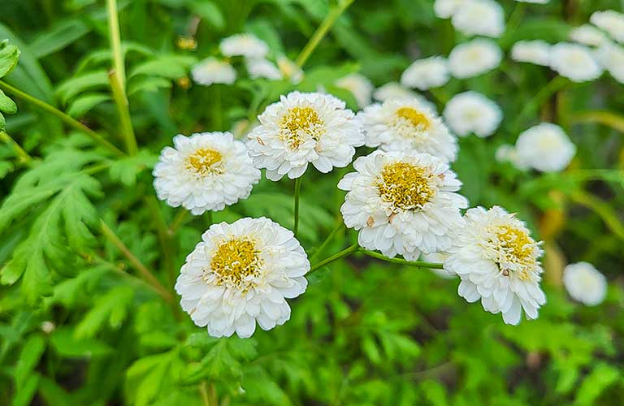
Chamomile isn’t just a fragrant tea; it’s a powerful natural remedy with a long-standing legacy in both traditional African healing and modern holistic health. From the spice stalls of Marrakech to the herbal apothecaries of Ethiopia, chamomile has been used to soothe the body and calm the mind for generations.
Whether you’re looking to sleep better, ease digestive issues, or calm your skin, chamomile offers gentle, effective support. Here’s how to use it practically and safely in your daily life.
Chamomile for Restful Sleep: A Natural Sedative
Why It Works:
Chamomile contains apigenin, a flavonoid that binds to receptors in the brain, encouraging relaxation and drowsiness—similar to how benzodiazepines work, but without the chemical side effects.
How to Use It:
Chamomile Sleep Tea Recipe (Bedtime Ritual):
- 1 tsp dried German or Roman chamomile flowers (or 1 tea bag)
- Optional: add ½ tsp dried lemon balm or fresh mint
- Steep in 1 cup hot water for 5–7 minutes
- Drink 30–45 minutes before bed
Tip: For stronger effects, steep longer (up to 10 minutes) and cover the cup while brewing to retain volatile oils.
Extra Tip:
If you’re struggling with insomnia, pair chamomile tea with deep breathing or meditation to calm your nervous system. A warm chamomile bath (add a few drops of chamomile essential oil or tea bags to bathwater) can also enhance sleep.
Chamomile for Digestion: Calm the Gut, Naturally
Why It Works:
Chamomile acts as a carminative and antispasmodic, which means it helps relieve gas, bloating, and cramping by relaxing intestinal muscles. It also has mild anti-inflammatory effects that can soothe irritated digestive tissue.
How to Use It:
Chamomile Digestive Tea (Post-Meal Soother):
- 1 tsp dried chamomile
- Optional: add fennel seeds or ginger for extra gas relief
- Steep in hot water for 5–7 minutes
- Drink warm after meals, especially heavy or spicy ones
Bonus Use:
Chamomile can also help with nausea and menstrual cramps. Drink 2–3 cups daily as needed, especially during PMS or stomach upsets.
Tip: For IBS or gastritis, consistent use over several weeks may provide longer-term relief.
Chamomile for Skin Care: Calm, Soothe, and Heal
Why It Works:
Chamomile’s key compounds—chamazulene and bisabolol—are anti-inflammatory, antibacterial, and antioxidant. This makes it ideal for treating eczema, rashes, acne, and sensitive skin. See also What are the benefits of chamomile tea?, an interesting article on Medical News Today.
How to Use It:
Chamomile Skin Rinse (for Irritated or Inflamed Skin):
- Brew a strong chamomile tea (2 bags or 2 tsp in 1 cup water)
- Let cool completely
- Use as a facial rinse or compress (soak cotton cloth and apply to affected area)
DIY Chamomile Oil Infusion (for Dry, Eczema-Prone Skin):
- Fill a clean jar with dried chamomile flowers
- Cover with a carrier oil (jojoba, olive, or sweet almond)
- Let sit in a warm, dark place for 2 weeks, shaking daily
- Strain and store in a dark bottle
- Use as a moisturizer or spot treatment
Tip: Add a few drops of chamomile oil to your daily moisturizer to calm redness and support skin repair.
Chamomile in African Traditional Medicine: A Legacy of Healing
Across Africa, chamomile has long been blended with indigenous herbs to treat colds, digestive issues, and inflammation.
- In Ethiopia, chamomile is combined with thyme and rue to ease respiratory conditions.
- In South Africa, it’s mixed with honey and lemon to soothe sore throats.
Tip: Recreate this traditional remedy by mixing chamomile tea with 1 tsp raw honey and a squeeze of lemon. Drink warm for colds, coughs, or throat irritation.
What Science Says: Backing Up Tradition
Modern research validates what traditional healers have known for centuries:
- Sleep: Improves sleep quality and reduces anxiety (via apigenin)
- Digestion: Eases cramps, bloating, and symptoms of IBS
- Skin: Reduces inflammation and promotes healing in skin conditions
Forms Available:
- Loose-leaf tea or tea bags
- Essential oil (for aromatherapy or topical blends)
- Capsules and tinctures
- Creams, ointments, and hydrosols for skin care
How to Use Chamomile Safely
Chamomile is generally safe for most people, but keep in mind:
- Avoid if allergic to ragweed, daisies, or other Asteraceae plants
- Consult a doctor if you’re pregnant, breastfeeding, or taking blood thinners (due to mild anticoagulant effects)
- Start with small doses and observe any reactions
Chamomile Checklist: Daily Use Made Easy
| Goal | How to Use | When |
| Better Sleep | Drink chamomile tea | 30–45 mins before bed |
| Digestive Relief | Tea with fennel/ginger | After meals |
| Clearer Skin | Topical rinse or infused oil | Morning & night |
| Cold/Flu Relief | Tea + honey + lemon | At first sign of symptoms |
Who Should Be Cautious with Chamomile Tea?
While chamomile is generally considered a gentle, well-tolerated herb, it’s not the right choice for everyone. Certain individuals should avoid it entirely or consult a healthcare provider before using it regularly.
1. Anyone with a Known Allergy to Chamomile or Related Plants
If you’ve ever had an allergic reaction—even a mild one—to chamomile products, it’s best to steer clear. Sensitivities can worsen over time, and repeated exposure may trigger more serious reactions.
Also, chamomile belongs to the Asteraceae family, which includes plants like ragweed, daisies, chrysanthemums, and marigolds. If you’re allergic to any of these, you may also react to chamomile.
2. Those with a History of Severe Allergies
Individuals prone to seasonal or plant-based allergies—especially hay fever—should be cautious. Even if you’ve never reacted to chamomile before, cross-reactivity is possible due to its botanical relatives.
3. People Taking Certain Medications
Chamomile may interfere with medications, particularly:
- Blood thinners (e.g., warfarin/Coumadin): Chamomile can enhance their effects and increase bleeding risk.
- Sedatives or anti-anxiety meds: Because chamomile has calming properties, combining it with sedatives may intensify drowsiness or fatigue.
Always check with a healthcare provider before combining chamomile with any prescription drugs.
4. Pregnant Individuals
Although chamomile tea is often seen as a soothing drink, regular use during pregnancy is not recommended. Some studies suggest that it could stimulate uterine contractions, potentially raising the risk of preterm labor or miscarriage.
Stick with pregnancy-safe herbal teas, and consult your doctor or midwife before using chamomile during this time.
5. Infants and Very Young Children
Chamomile tea, like honey, may contain natural spores of botulism, a rare but serious bacterial infection. While adults usually have the immunity to handle this, infants under one year of age do not.
Avoid giving chamomile tea to babies or toddlers unless directed by a pediatrician.
Chamomile can be a wonderful wellness ally, but it should never replace medical treatment. If you’re on any medication or managing a health condition, talk to your doctor before adding chamomile to your routine.
Even natural remedies require informed, mindful use—and your health is always worth a second opinion.
Conclusion
Chamomile isn’t a miracle drug—but when used wisely and consistently, it becomes a powerful ally for mind, body, and skin. Its legacy in African traditional medicine and modern herbalism reminds us that the most effective remedies are often the simplest.
So next time you reach for a tea bag or a skin cream, remember the rich cultural heritage and scientific wisdom behind chamomile. Let it be part of your daily wellness ritual—not just for healing, but for reconnecting with nature’s rhythm.