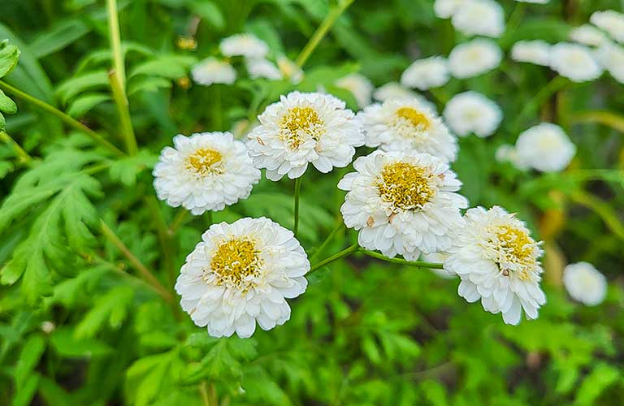
At first glance, Pineapple Weed might seem like just another lawn herb, but its botanical name hints at its deeper power: Matricaria discoidea is a relative of the renowned Chamomile (Matricaria recutita). While it lacks the white petals of its famous cousin, it possesses a similar, and in some traditions, equally valued, profile of beneficial compounds.
In many indigenous and local traditions across the northern hemisphere, this plant has been quietly utilized for generations, a piece of accessible, generational wisdom passed down because of its effectiveness.
It embodies a central tenet of traditional medicine: the most powerful healing is often found closest to home, freely given by nature.
Health & Herbal Medicines – The Gentle Science
While we are celebrating traditional wisdom, we must also acknowledge the fascinating bridge that modern science, through the study of pharmacognosy, builds back to these ancient uses.
Pharmacognosy is simply the study of medicinal drugs derived from plants or other natural sources. For Pineapple Weed, this study validates what healers have known for centuries.
- The Key Compounds: Like Chamomile, Pineapple Weed is rich in various chemical constituents, including sesquiterpene lactones and flavonoids. These are the compounds responsible for its medicinal actions.
- The Soothing Action: Specifically, the plant’s constituents are believed to possess antispasmodic and carminative properties. In simple terms, this means they can help relax the smooth muscles of the digestive tract and aid in the expulsion of gas, making it a classic remedy for an upset stomach, mild cramping, and bloating.
In the spirit of accessible wellness: Think of Pineapple Weed as nature’s gentle hand, reaching in to ease the tension in your gut and helping things flow a bit more smoothly.
Wellness & Traditional Medicines – The Calm Connection
True wellness, as understood in traditional African systems and many other global indigenous models, is not merely the absence of disease; it is a profound state of balance between the mind, body, and spirit.
Pineapple Weed, in its role as a mild sedative, speaks directly to this holistic connection.
See also 12 Surprising Medicinal Uses of Pineapplewee
The connection between the gut and the mind, often called the “gut-brain axis”, is a recognized concept in modern science, but it has been an implicit part of traditional healing for millennia. When your gut is troubled, your mind is anxious; when your mind is stressed, your gut suffers.
A Traditional Path to Restful Balance
Pineapple Weed is traditionally valued for its mild sedative effects. When taken as a tea, the warm infusion, combined with the plant’s innate soothing properties, signals to the entire body to slow down.
- Easing Nervous Tension: It can be traditionally used to help soothe mild nervous tension and anxiety that often manifest as digestive distress (a “nervous stomach”). By calming the nerves, you indirectly support digestive harmony.
- Supporting Sleep: Because of its gentle relaxing properties, a cup of Pineapple Weed tea can be a wonderful, natural ritual to prepare the mind and body for sleep, promoting true, traditional healing through rest. The simple act of preparing and slowly sipping the tea becomes a mini-ceremony, shifting your focus from the day’s stress to the quietude of the evening.
The Ritual of Infusion: The beauty of this plant is the simplicity of its preparation. The process is a mindful ceremony in itself: gathering the flower heads, smelling the tropical, inviting scent, and patiently waiting as the hot water draws out its golden essence.
This is holistic healing in action, the combination of the plant’s chemistry, the warmth of the tea, and the ritual of preparation all working in unison.
Traditional Medicines – Generational Wisdom
Pineapple Weed is an excellent example of a traditional medicine that is readily available and requires no complex preparation. This is the essence of generational wisdom: practical knowledge that ensures the community can care for its most common ailments using what is immediately at hand.
While the plant is often associated with North American and Eurasian ethnobotany, the principle of using local, readily available plants for gentle, everyday ailments is a universal characteristic of traditional medical systems, including those across Africa.
Healers have always prized knowledge of the immediate environment, teaching communities how to identify and utilize the gentle remedies that grow just outside the doorway.
Traditional Use: Harvesting and Preparation
To harness its benefits, you are primarily interested in the flower heads, which are the part of the plant that contains the highest concentration of volatile oils and beneficial compounds.
- Harvesting: The flower heads are small, yellow-green, and dome-shaped. They should be harvested when they are fully formed. Look for them in late spring through summer. The identifying test is simple: crush a flower head between your fingers—if it smells distinctly like sweet pineapple or tropical fruit, you have the right plant!
- Drying: You can use them fresh, or you can dry the flower heads in a cool, dark place for later use throughout the year.
Preparing the Tea for Comfort
The most effective and traditional way to consume Pineapple Weed for both digestive support and calm is as a simple infusion, or tea.
How-To: Preparing Pineapple Weed Infusion
- Ingredients: 1 to 2 teaspoons of fresh (or 1 teaspoon of dried) Pineapple Weed flower heads per cup of hot water.
- Infusion: Place the flower heads into a cup. Pour boiling water over them.
- Steep: Cover the cup to trap the beneficial volatile oils and allow it to steep for 10 to 15 minutes. This long steep is essential to draw out the maximum benefit.
- Enjoy: Strain and sip slowly. For digestive discomfort, drink after a meal. For promoting calm, enjoy an hour before bedtime.
Note: The flavor is pleasantly mild, with a hint of that signature pineapple scent. It is generally not bitter, making it an easy addition to a wellness routine.
Empowering Yourself with Gentle Wisdom
Pineapple Weed is a powerful reminder that wellness often comes in small packages and is deeply rooted in the knowledge of the earth around us.
It offers a gentle, traditional pathway to addressing common discomforts, embodying the holistic ideal that easing a physical symptom (digestive upset) can simultaneously calm the spirit.
In embracing this unassuming flower, you are participating in a timeless tradition: the respectful use of nature’s bounty to foster an abundance of wellness. You are not just drinking a tea; you are connecting with the generous spirit of the earth.