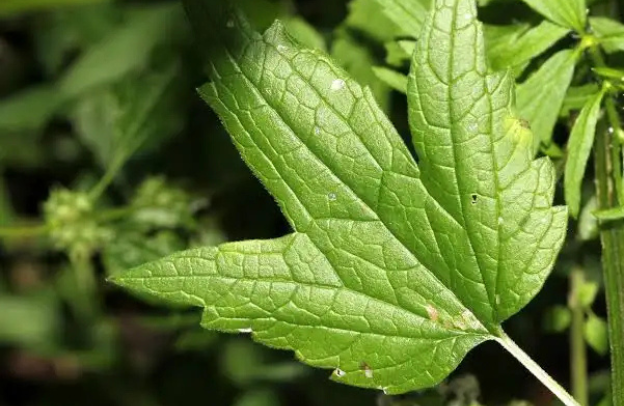
Among the countless green threads woven into the tapestry of the natural world, few plants are as ubiquitous, yet as profoundly underestimated, as the delicate wildflower known to us as Queen Anne’s Lace. Daucus carota, the wild ancestor of the common garden carrot, graces fields across continents, its crisp white umbels a common sight.
Yet, within its hairy stem and aromatic seeds lies an extraordinary library of generational wisdom, one that speaks directly to the delicate art of balance within the human body.
At Guimeds, our mission is to respectfully decode and translate this knowledge. We invite you to look past the common name and explore this botanical ancestor through the lens of traditional African and Eurasian folk medicine, where it has historically played an integral role, particularly in supporting women’s cyclical health and offering relief from various forms of physical discomfort. This is not merely an exploration of an herb; it is an honoring of a healing legacy.
Generational Medicine: A Historical Context (Pillar 2: Traditional Medicines)
To understand the power of Queen Anne’s Lace is to understand the healing philosophies of antiquity. Far from being random treatments, traditional remedies were woven into sophisticated systems that viewed illness as a disruption of internal harmony.
See also Queen Anne’s Lace (Wild Carrot)
The knowledge surrounding Daucus carota is deeply rooted in this perspective, with its medicinal application being formally documented by figures like Dioscorides in the first century, who noted its use for a range of ailments, from urinary issues to respiratory support.
Over many generations, traditional healers across various cultural landscapes came to rely on the seeds of the wild carrot for their potent, concentrated action. The consistent thread throughout its history is its specialized role as an agent for internal flow and movement.
It was, and in many traditional practices still is, viewed as a restorative herb, utilized not just to mask discomfort but to address the stagnation or imbalance that was believed to be the root cause of the distress.
This generational trust in the plant’s efficacy for easing discomfort and promoting detoxification forms the foundation of its place in the world of traditional wellness. The traditional knowledge surrounding this plant is a testament to sustained, multigenerational observation of nature’s subtle pharmacy.
Pharmacognosy Decoded: The Science of the Seed
The efficacy observed by ancient practitioners finds its explanation in the modern field of pharmacognosy, the study of medicines derived from natural sources. While the entire plant holds medicinal value, the seeds of Daucus carota are the most concentrated reservoir of its therapeutic compounds, primarily composed of volatile oils.
These oils are rich in terpenoids, most notably carotol and daucene. Carotol, in particular, is considered responsible for the plant’s traditionally observed effects. When we translate complex medicinal terms into accessible language, we uncover the true mechanism:
- Antispasmodic Action: The seeds are traditionally valued for their ability to soothe and relax smooth muscle tissue. This action, often observed in the relief of cramps, is attributed to muscle-soothing compounds that ease involuntary tension.
- Diuretic & Detoxification Support: The volatile oils and other compounds are believed to gently encourage the body’s natural processes of waste elimination, supporting kidney function and promoting internal flow—a core principle of traditional healing.
Understanding the plant’s chemistry allows us to appreciate that the traditional wisdom to use the aromatic seeds for ‘flow’ was, in fact, an astute observation of its powerful antispasmodic and circulation-supporting properties.
Cyclical Comfort: Queen Anne’s Lace and the Women’s System
In the realm of traditional women’s wellness, Queen Anne’s Lace seeds hold a distinct and historically significant position. They are widely and generationally recognized for their emmenagogue properties, meaning they have been traditionally used to stimulate and regulate blood flow to the pelvic area.
See also the publication by NC State University and N.C. A&T State University
For countless women across the ages, the seeds have been a valued ally in navigating cyclical discomfort. Specifically, they were utilized for conditions such as dysmenorrhea, the medical term for menstrual cramps.
The antispasmodic action of the seed oils is thought to help relax the uterine musculature, easing the intensity of the contractions responsible for cramping.
Furthermore, traditional practitioners often turned to the seeds in cases of amenorrhea (the absence of menstruation) or delayed cycles, viewing the herb as a gentle invitation to restore the natural, healthy rhythm of the body. This application perfectly embodies the holistic principle of seeking balance and rhythm, rather than merely treating an isolated symptom.
The Sage’s First Rule: Identification and Respect
Any exploration of traditional herbalism must begin and end with the unwavering principle of respect and caution. When engaging with wild plants, deep knowledge and absolute certainty are non-negotiable, a core teaching passed down through generations of healers.
Critical Identification Warning: The Hemlock Danger
The delicate, white flower clusters of Daucus carota are tragically similar to the deadly Poison Hemlock (Conium maculatum). The leaves and stems of Hemlock are highly toxic and can be fatal if ingested. As your guide, the Welcoming Sage, I must impart the most vital lesson:
Do not harvest Daucus carota (Queen Anne’s Lace) from the wild unless you possess absolute, expert-level certainty in plant identification. Always source your medicinal seeds from a reputable, certified herbal supplier. The potential risk of misidentification is simply too great to ignore.
Profound Caution: The Anti-Implantation Use
It is a crucial piece of generational knowledge, and one validated by modern research, that the seeds of Queen Anne’s Lace possess anti-implantation properties. For this reason, this herb must be entirely avoided by women who are pregnant or who are actively trying to conceive.
Its powerful traditional use as a contraceptive agent and its potential abortifacient action make this a necessary and absolute caution within responsible herbal practice.
Integration and Ritual: A Path to Holistic Balance
The true traditional wellness derived from Queen Anne’s Lace extends beyond the chemistry of its seeds; it lies in the intentionality of its preparation and use. This is where the wisdom of the Mind-Body-Spirit connection comes into focus.
The Ritual of Infusion:
Traditional use often involves preparing the seeds as an infusion or decoction. This act of preparation, gathering the materials, heating the water, and waiting for the essence to be released, transforms the consumption into a mindful ritual. It is a moment of pause, acknowledging the plant’s gift and setting an intention for healing and balance.
- Preparation: A typical traditional approach involves gently crushing the dried seeds to release the volatile oils, followed by a brief steep in hot water.
By mindfully integrating the tea into a supportive wellness routine, the plant becomes a catalyst for holistic healing. It is not just the compounds acting on the body, but the ceremony and intention acting on the spirit, reminding the individual to respect and listen to their body’s cyclical rhythms.
This approach moves the experience from simply consuming an herbal remedy to truly embracing traditional wellness.
Conclusion: Honoring the Heritage
The legacy of Queen Anne’s Lace is a powerful reminder that the most profound wisdom often resides in the most common places. Daucus carota is a quiet sentinel of generational knowledge, its uses meticulously observed and passed down through systems of healing that prioritized balance and flow.
As readers of Guimeds, you are now stewards of this knowledge. By treating this powerful plant with deep respect, adhering to the crucial cautions of safe use, and integrating it with mindful intention, you participate in an ancient conversation.
You move toward an abundance of wellness, grounded in the proven, enduring philosophies of traditional medicines. Let the unassuming majesty of the wild carrot be your guide toward a life lived in harmony and health.